


Hand-carved in Sfax, Tunisia · Retired olive trees
Olivewood Ritual Tools: The Complete Guide
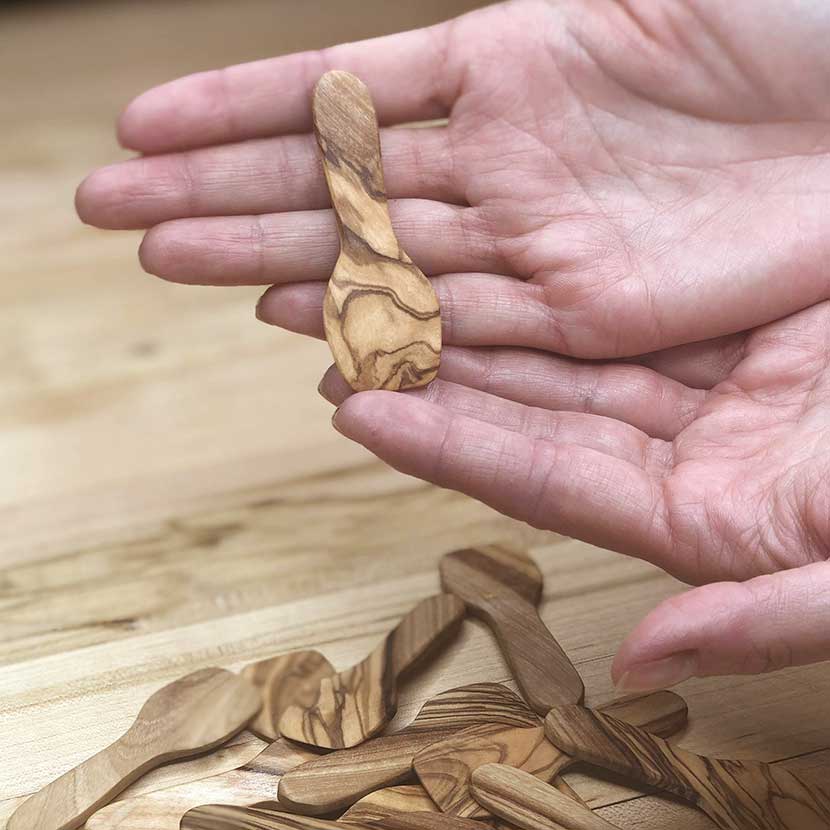
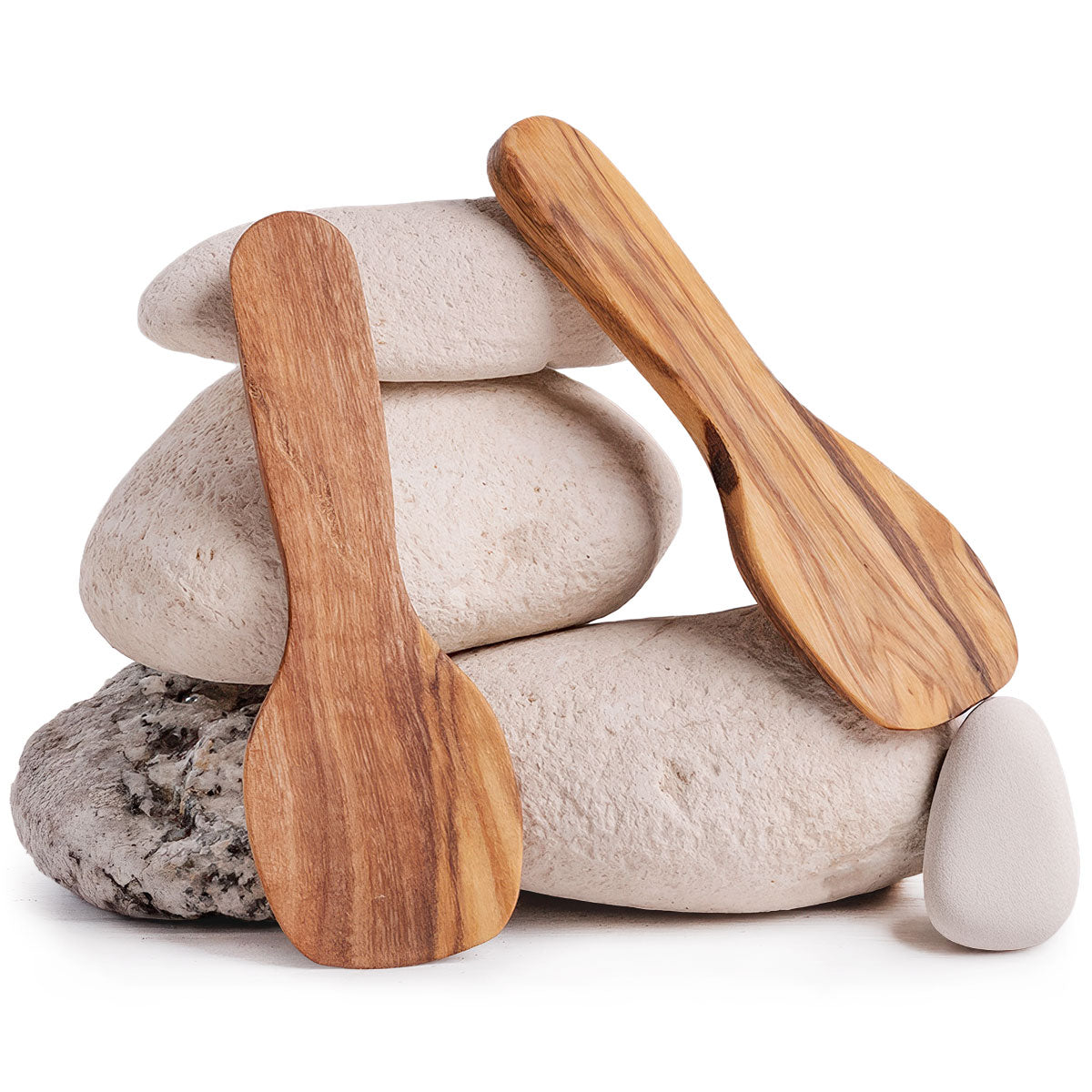
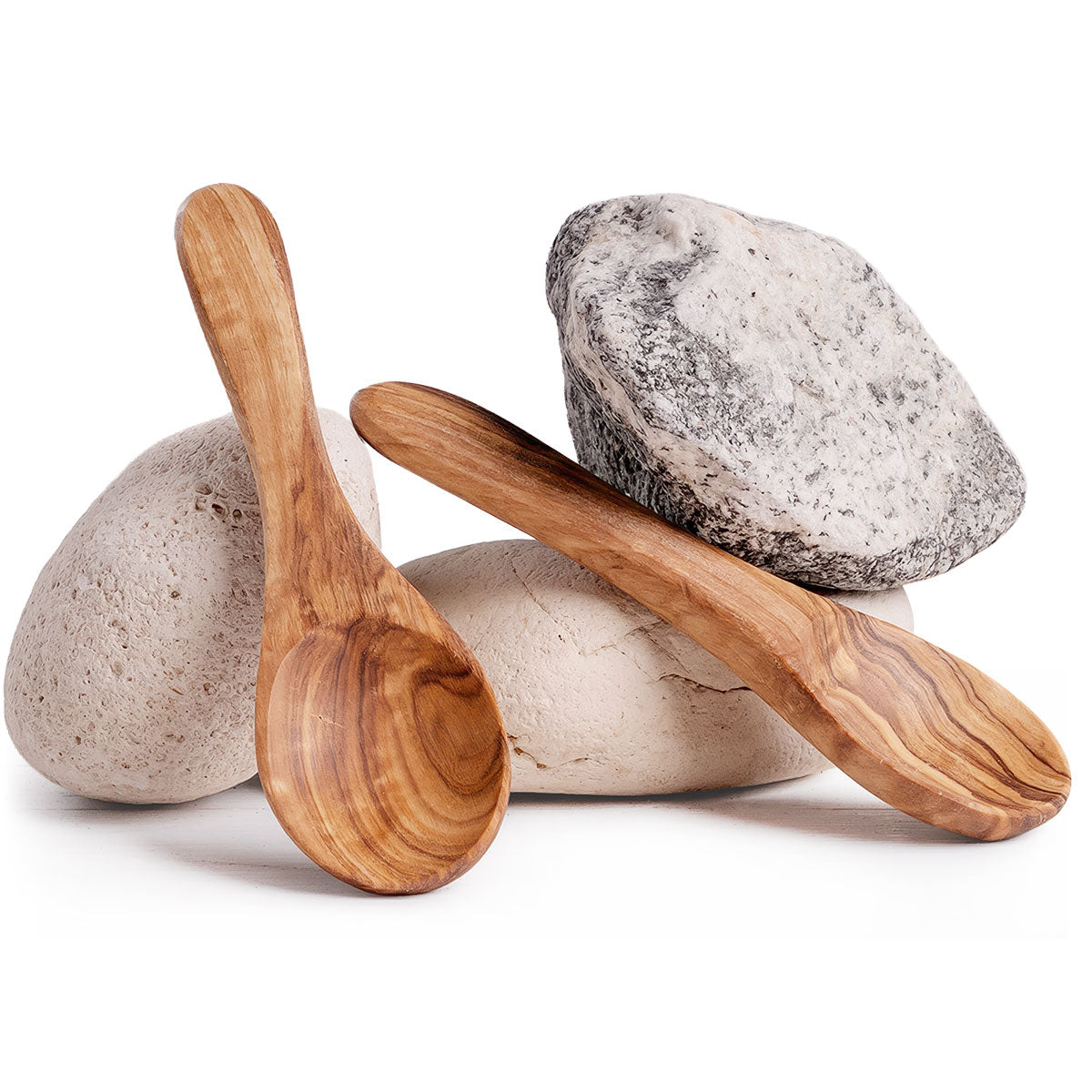
Our spatula, spoon and applicator are carved by family workshops in Sfax from olive trees that no longer bear fruit. For every old tree, a new one is planted. Dense, beautiful and made to last for years, they mix, scoop and apply without metal or plastic.
- Material
- Olive wood from retired trees
- Made in
- Sfax, Tunisia, by family workshops
- Pieces
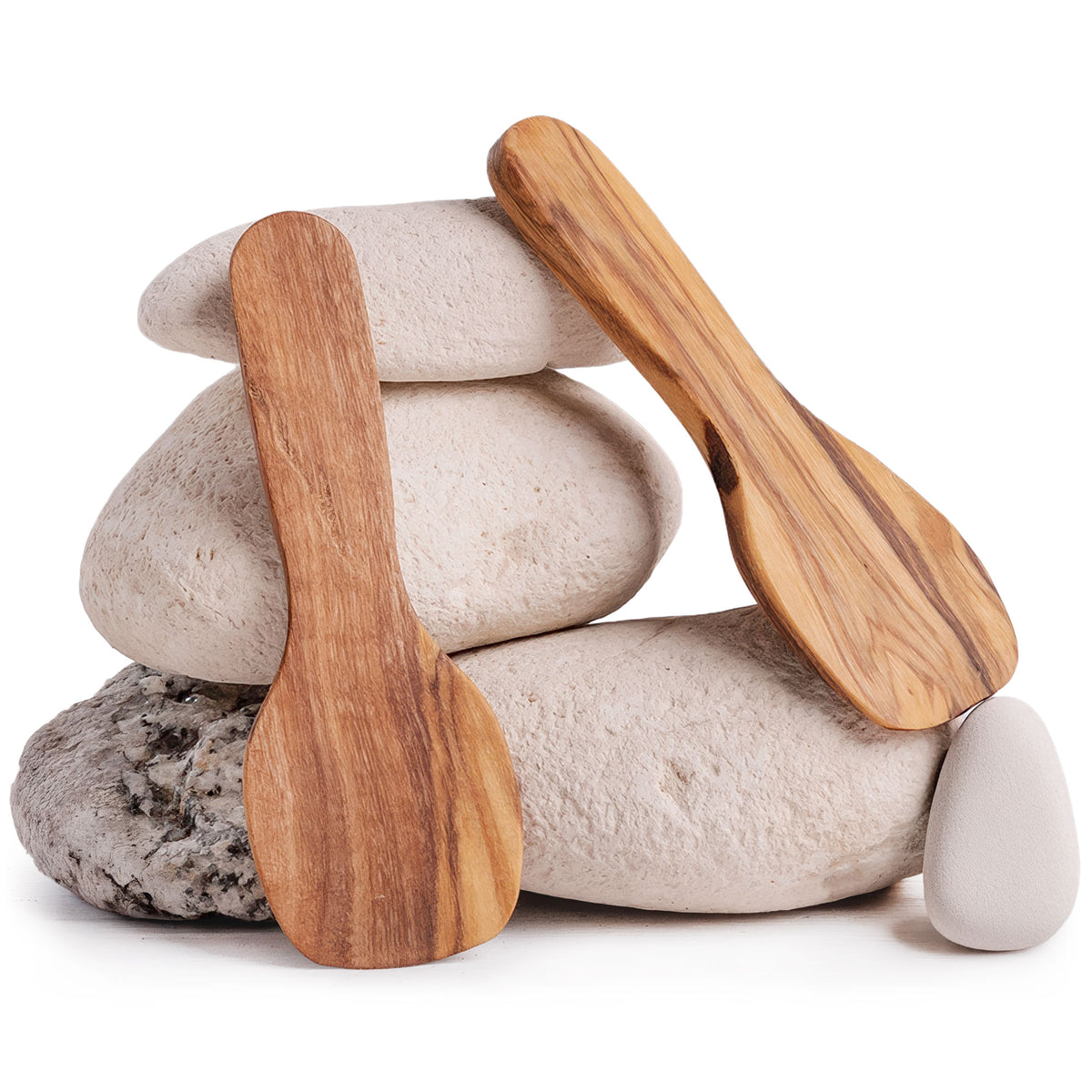
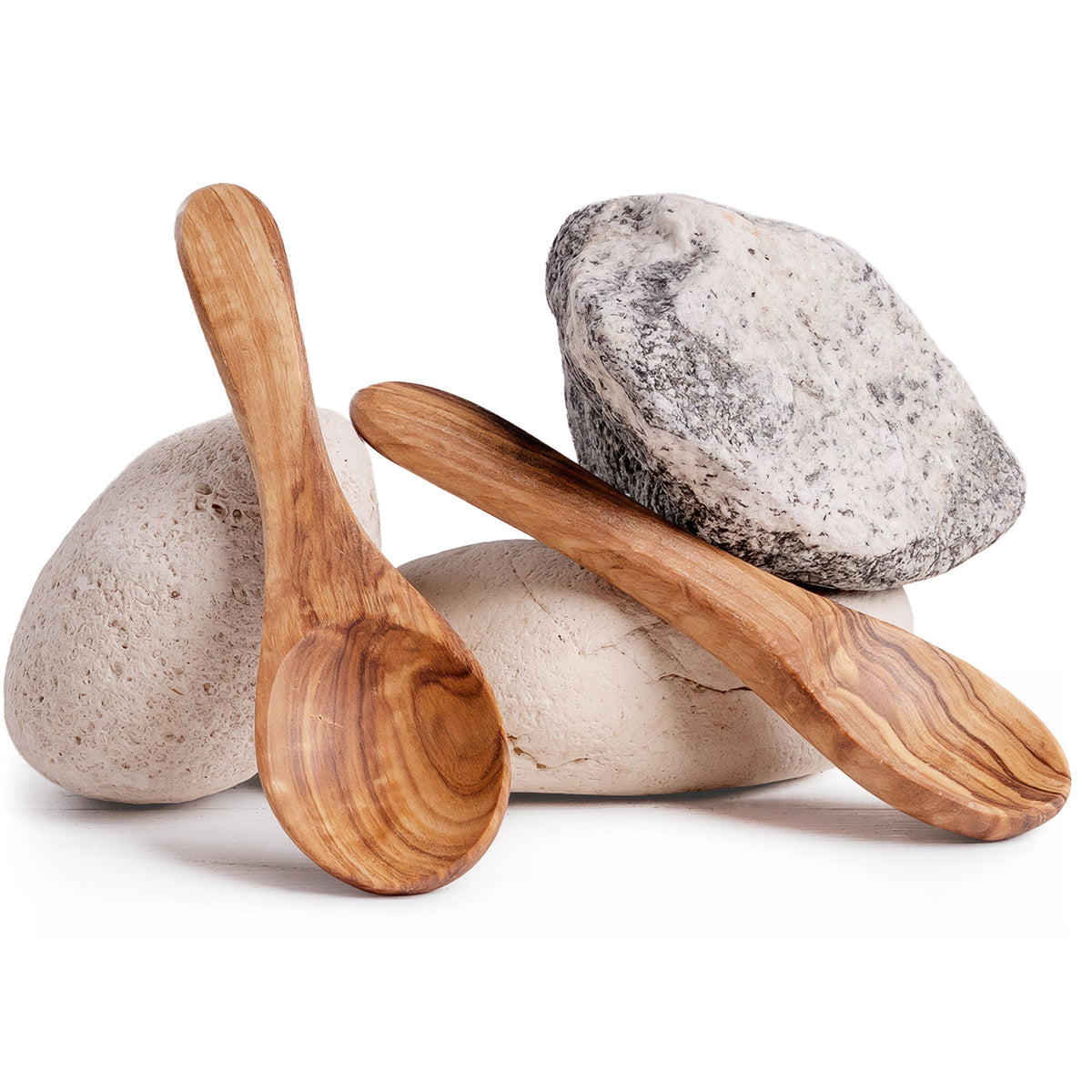
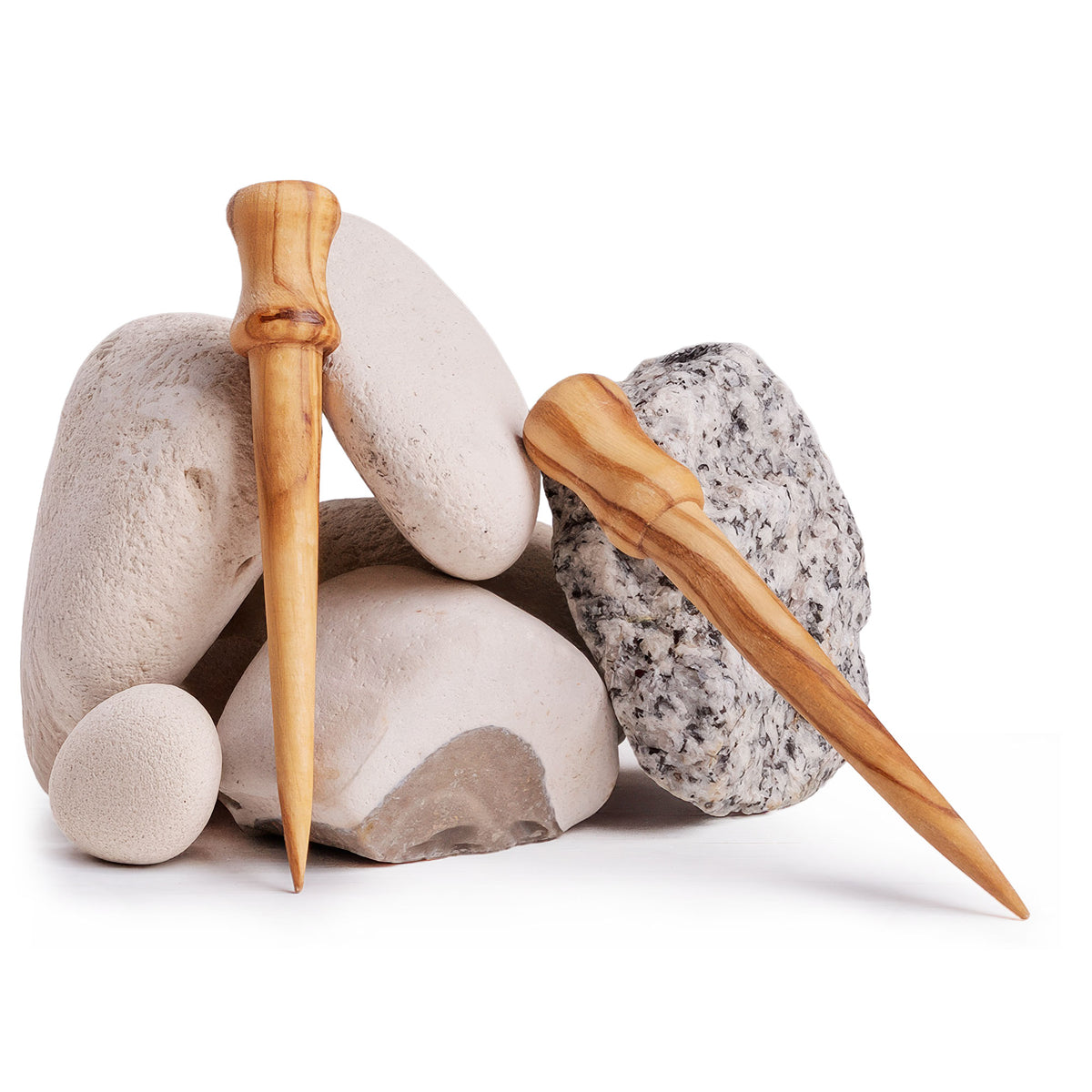
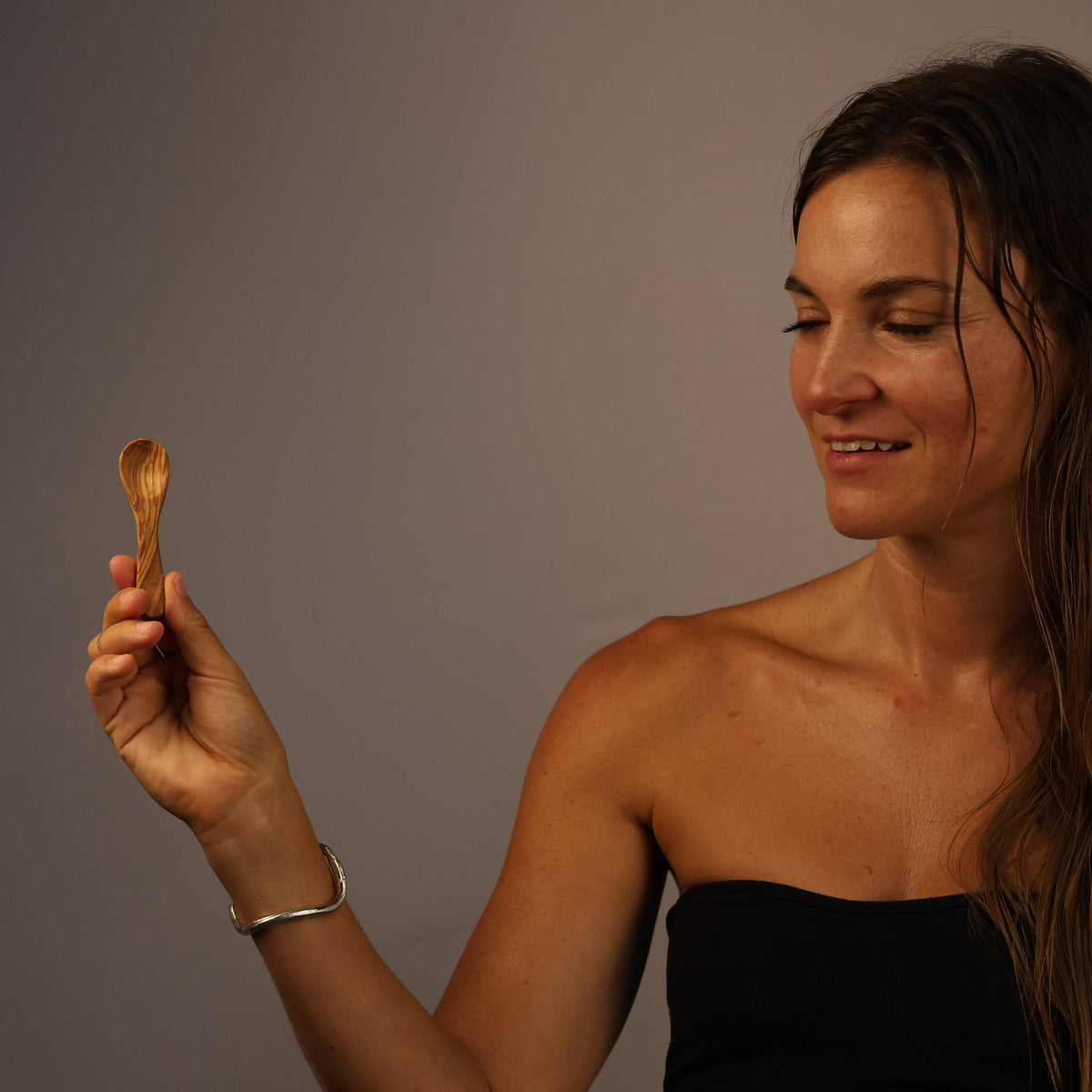
- Spatula (2.5"), spoon (3.5"), applicator (2.5")
- Finish
- Polished with olive oil
- Care
- Warm water, a little soap, air-dry
- Dishwasher
- No




Free U.S. shipping over $75. Ships in 1-2 business days from Denver.
Hand-carved olivewood tools for mixing, scooping and applying your ritual, made by family workshops in Sfax, Tunisia from retired olive trees. For every old tree, a new one is planted.
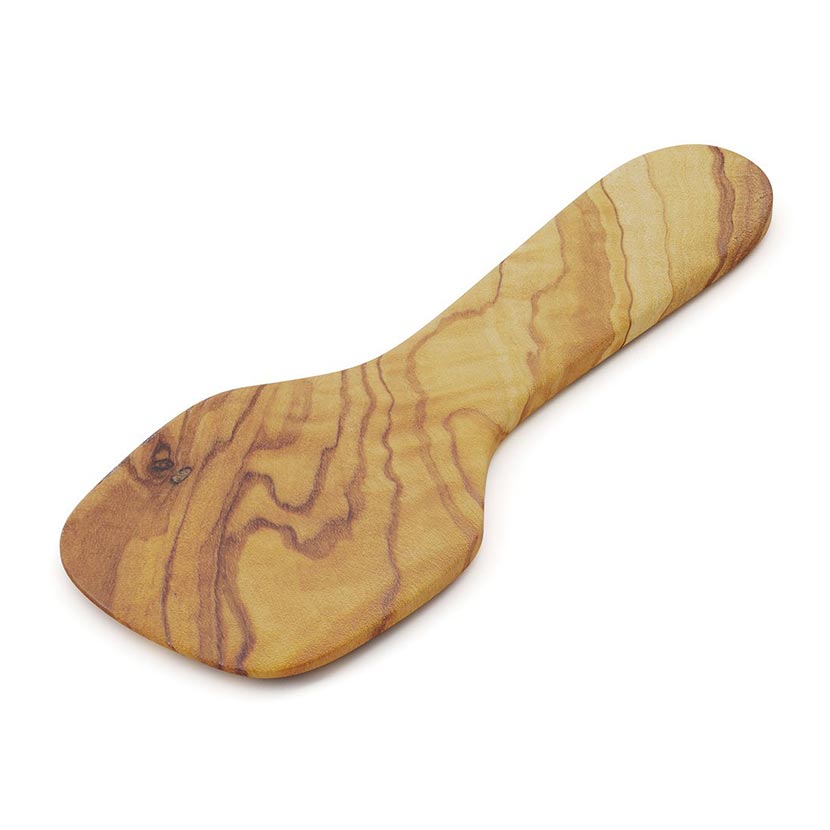
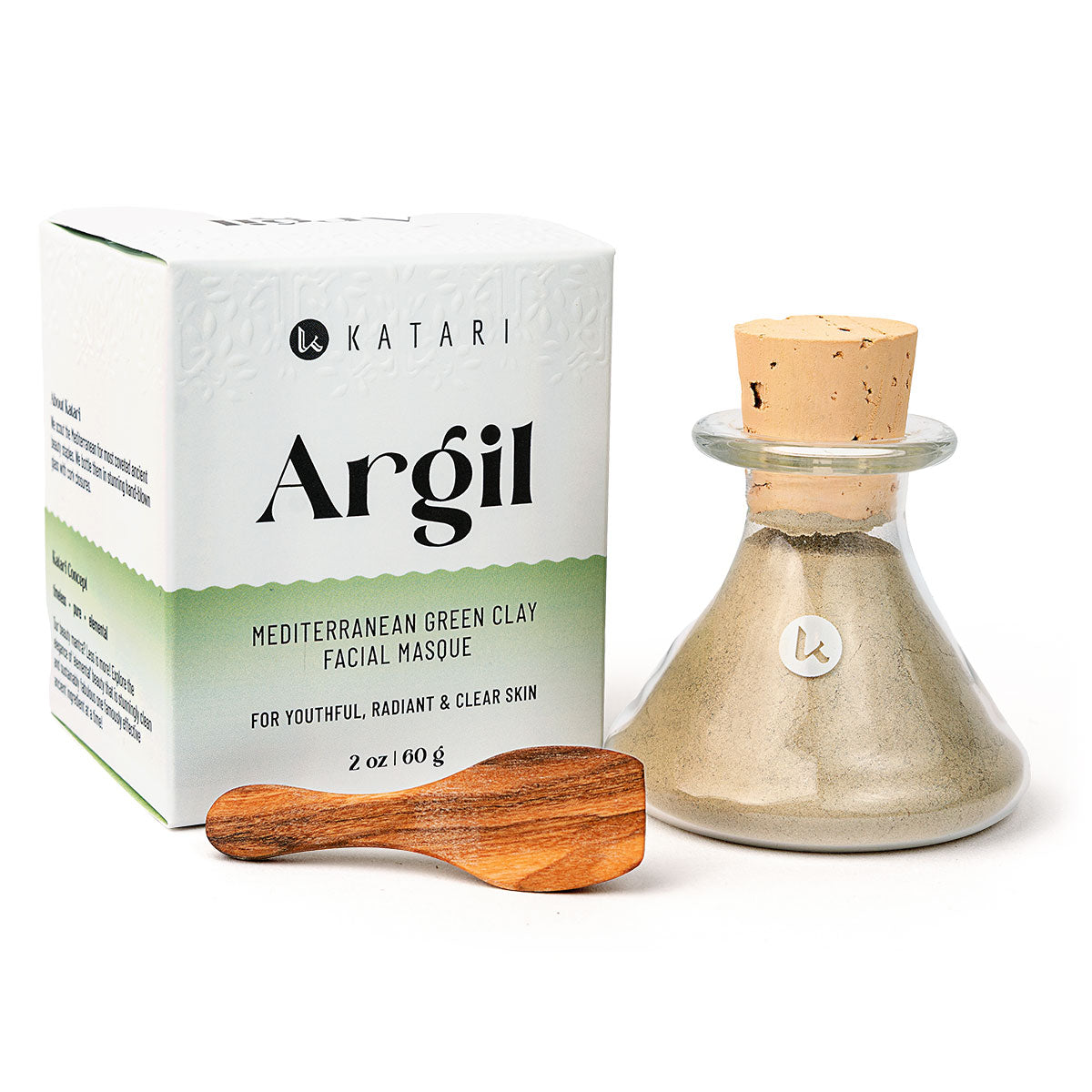
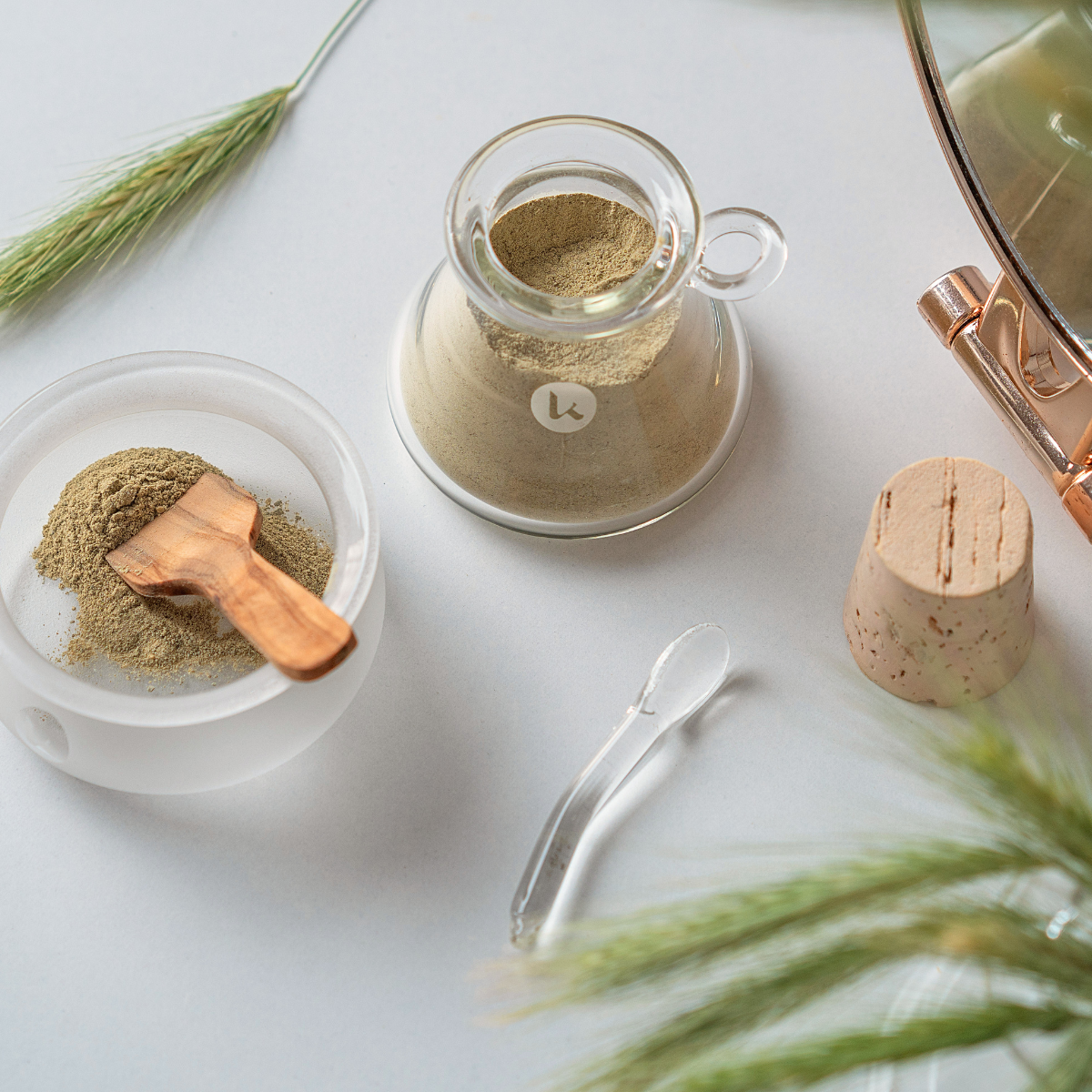
- Spatula (about 2.5") mixes Argil or Poudre de Barie into a paste and smooths a masque on evenly.
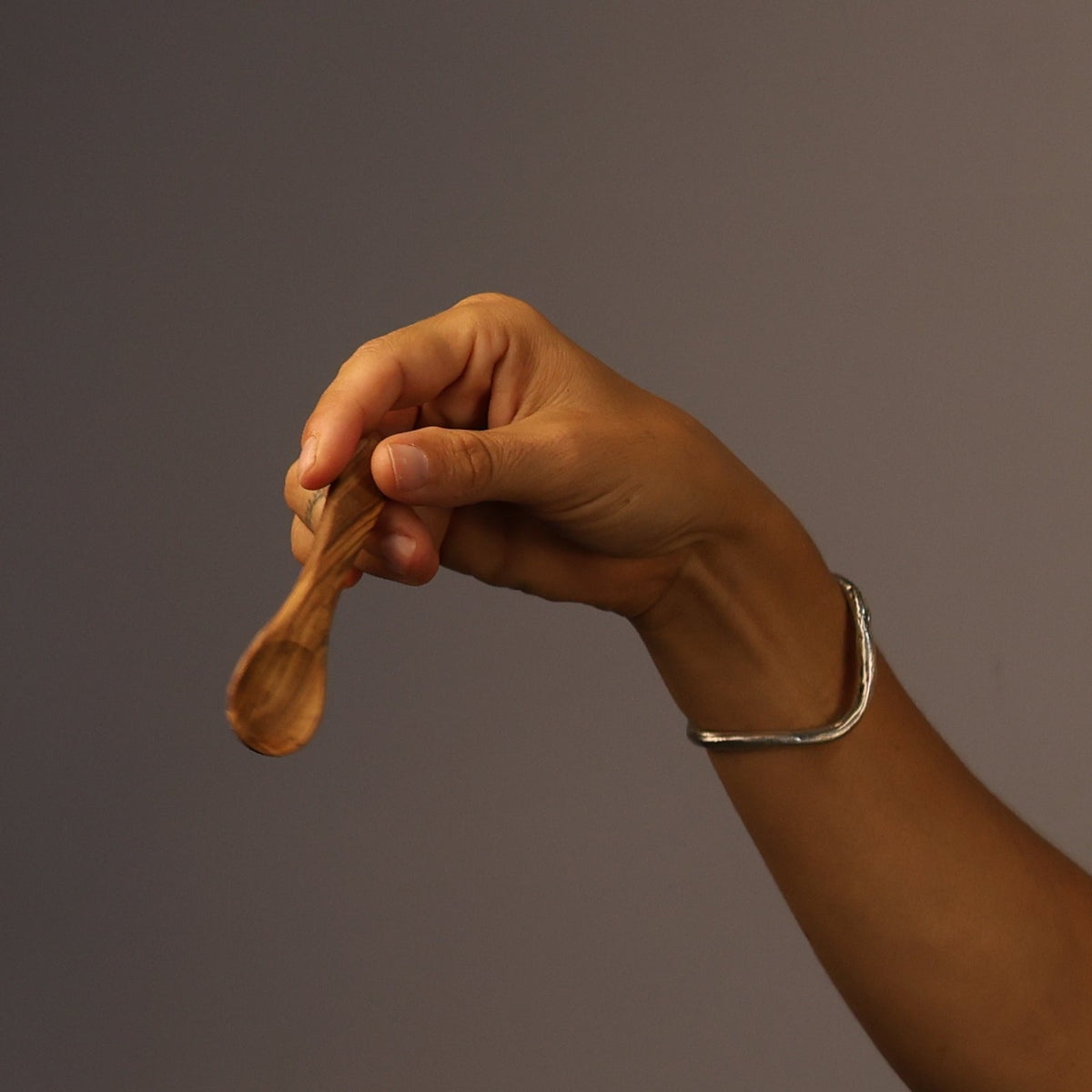
- Spoon (about 3.5") scoops clay and powders with dry hands, so water never gets into the jar.
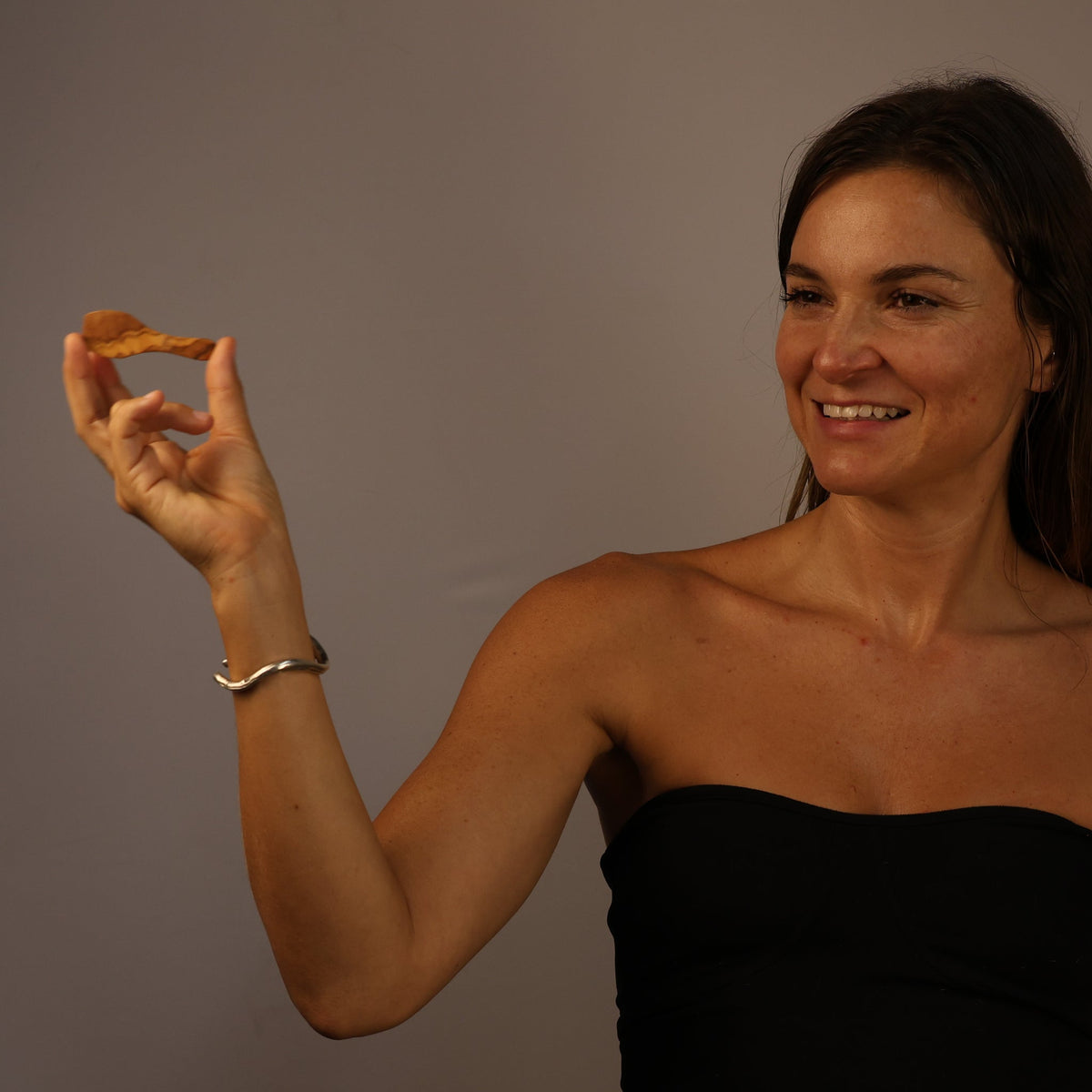
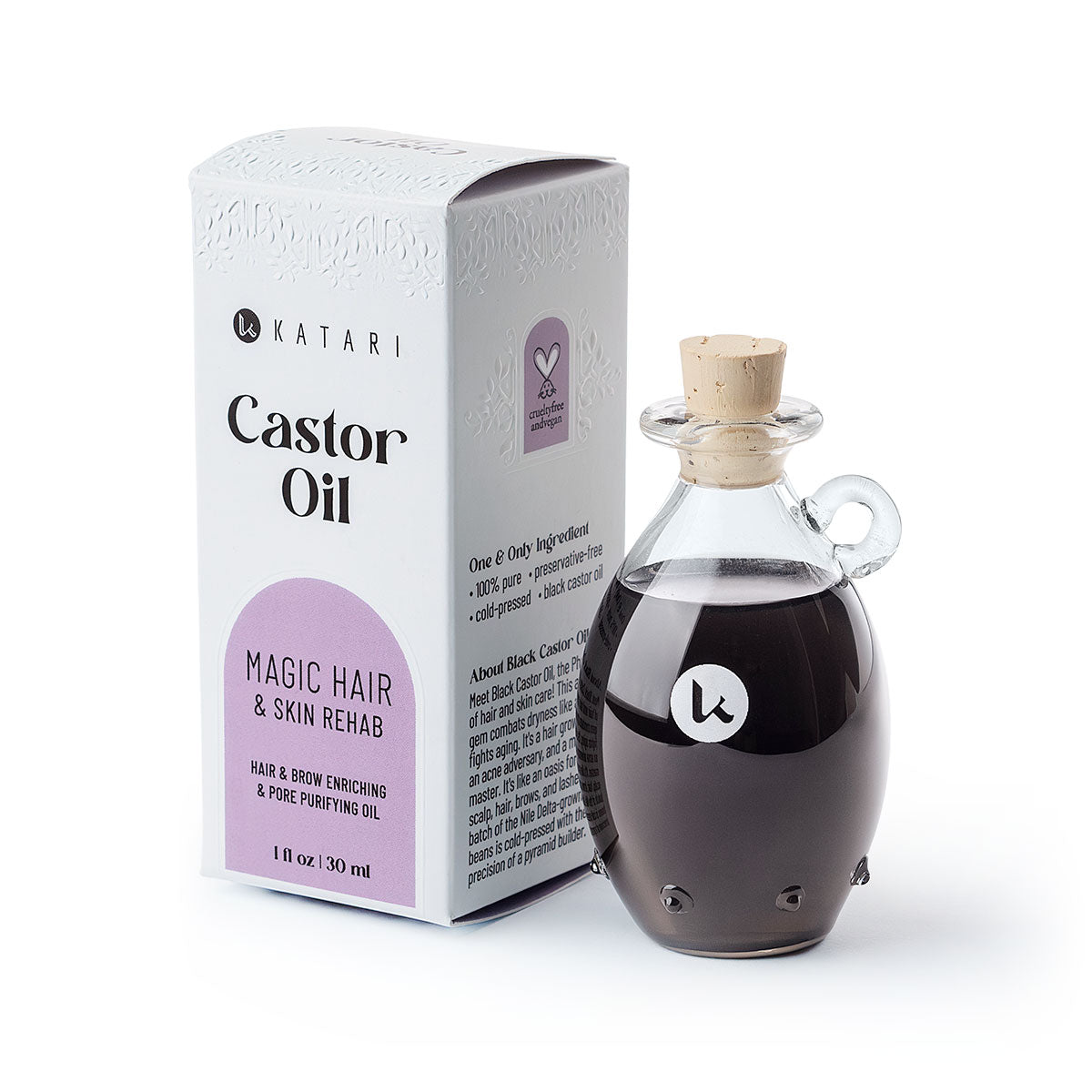
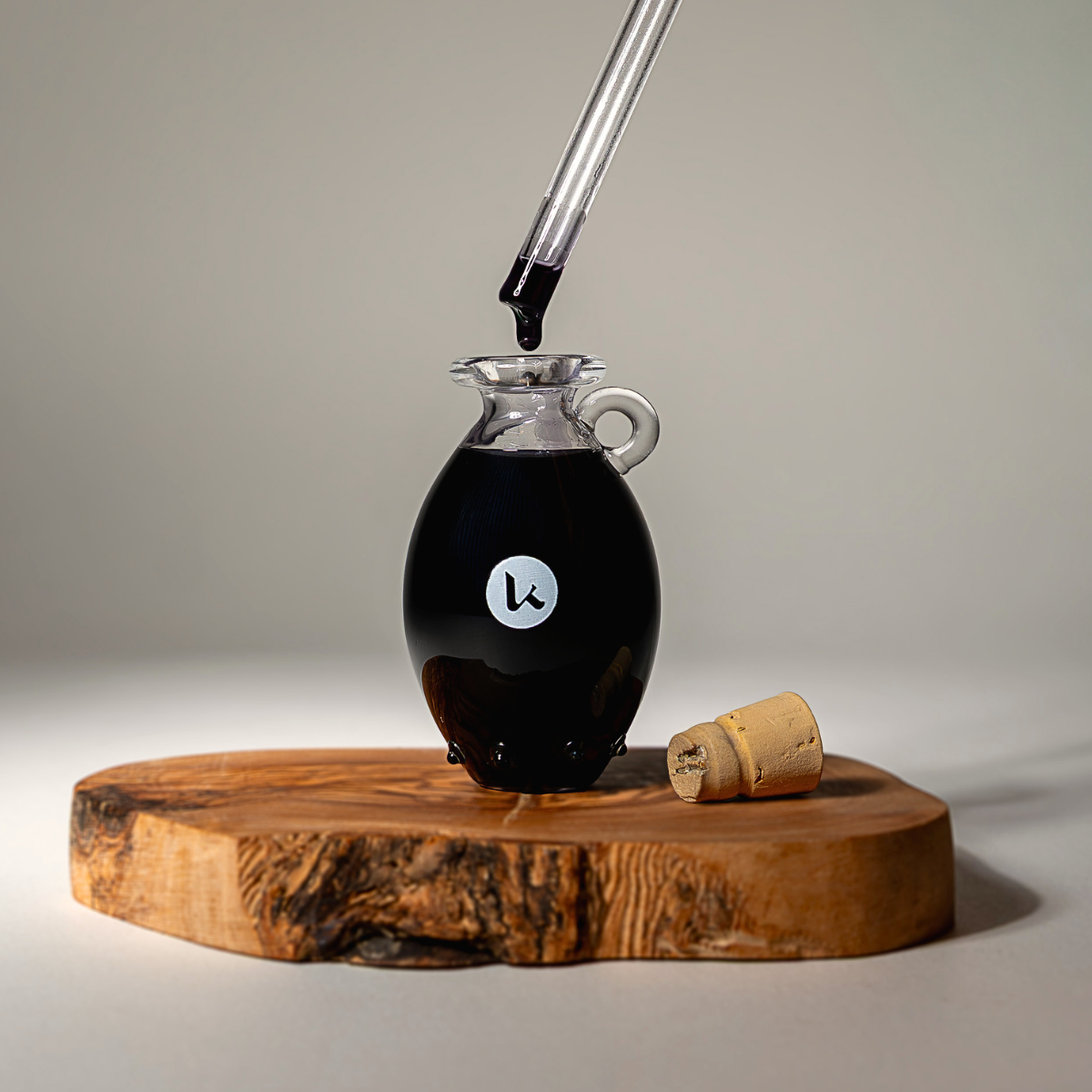
- Applicator (about 2.5") takes a single drop of Black Castor or Henna Oil to the lash line and brows.
Rinse with warm water and a little soap, then air-dry. Not for the dishwasher. Once in a while, rub in a drop of Hoba Oil or olive oil.
What it is
Three small tools that make a natural ritual easier and cleaner: a spatula to mix and smooth on a masque, a spoon to scoop clay and powder without wet fingers, and an applicator that carries a single drop of oil to your lash line and brows.
Where it comes from
Sfax, on Tunisia's coast, is olive country. Olive trees there can bear fruit for generations. When an old tree finally stops, family workshops give its wood a second life, carving it into tools like these, and a new tree is planted in its place. It has always been done this way.
Every piece is carved, sanded and polished with olive oil by hand, so the grain, color and shape vary a little from one to the next.

Why olivewood
Olive wood is one of the densest, hardest woods around the Mediterranean, with a tight grain that holds up to water far better than softer woods. That is why it has been used for kitchen spoons and bowls there for centuries.
- Not metal: metal can react with clays and some oils.
- Not plastic: nothing to scratch, shed or throw away.
- Lasts for years with a little care, and looks better as it ages.
How to use each tool
- Spoon: scoop dry. Scoop Argil or Poudre de Barie with a dry spoon, so water never gets into the jar.
- Spatula: mix and apply. Mix the clay with Roseau or Géran in a glass bowl, then use the flat end to smooth an even layer on your face.
- Applicator: one drop. Dip the tip into Black Castor or Henna Oil and draw it along the upper lash line and through the brows at night.
Beyond the bathroom
Our customers tuck the spatula into a purse for honey in tea or a cup of ice cream, and use the spoon at the table. Olivewood has been a kitchen staple around the Mediterranean for centuries. Just keep beauty tools and kitchen tools separate.
Care
- Rinse. Warm water and a little soap, right after use.
- Dry. Pat dry and let it air-dry fully. Don't soak it, and don't put it in the dishwasher.
- Season. Once in a while, rub in a drop of Hoba Oil or olive oil to bring the grain back up.
For professionals
The spatula and spoon are part of the complimentary starting accessories in our Spa Back Bar: a plastic-free way to scoop and apply in the treatment room. Ask us about wholesale.
Questions
Why olivewood instead of metal or plastic?
Metal can react with clays and some oils. Plastic is plastic. Olivewood is dense, naturally beautiful and lasts for years.
Will mine look like the photo?
Close, but never identical. Each piece is hand-carved, so the grain is its own.
Can I use them for food?
Yes. Olivewood has been a kitchen staple around the Mediterranean for centuries.
It looks dry. What do I do?
Rub in a drop of Hoba or olive oil, let it sit a few minutes, and wipe off the extra.
Olivewood
$6
What our customers say
4.95★ from 425 reviews
Marcia, LA celebrity esthetician
There are oils, and there are Katari oils
Marcia has prepared her famous clients for red-carpet events with Katari for years, and made Géran her signature scent.
Christina K.
The only skincare I'll ever buy
Katari Beauty is the definition of pure and quality… this is the ONLY skincare products that I will ever buy for the rest of my life.
Karni M.
THIS is my new favorite
Every time I buy a different oil from Katari, I say the same 2 things… “THIS is my new favorite” and “I want to take a bath in this.”
Maureen
Nothing like it
The lengths that they go to find the most amazing raw material and the handblown glass bottles is not like anything I have seen before.
Elizabeth B.
By far the best
I've tried multiple toners in the past and this is by far the best I've found… Katari Beauty is one of the best companies I've encountered in the industry.
Keep exploring
More from the Ingredient Library
Béja, Tunisia · First distillation
Roseau · Rose WaterRoseau is pure rose water, distilled once a year from fresh Damask rose petals in Béja, Tunisia, with the rose's own oil left in. It is the fir...
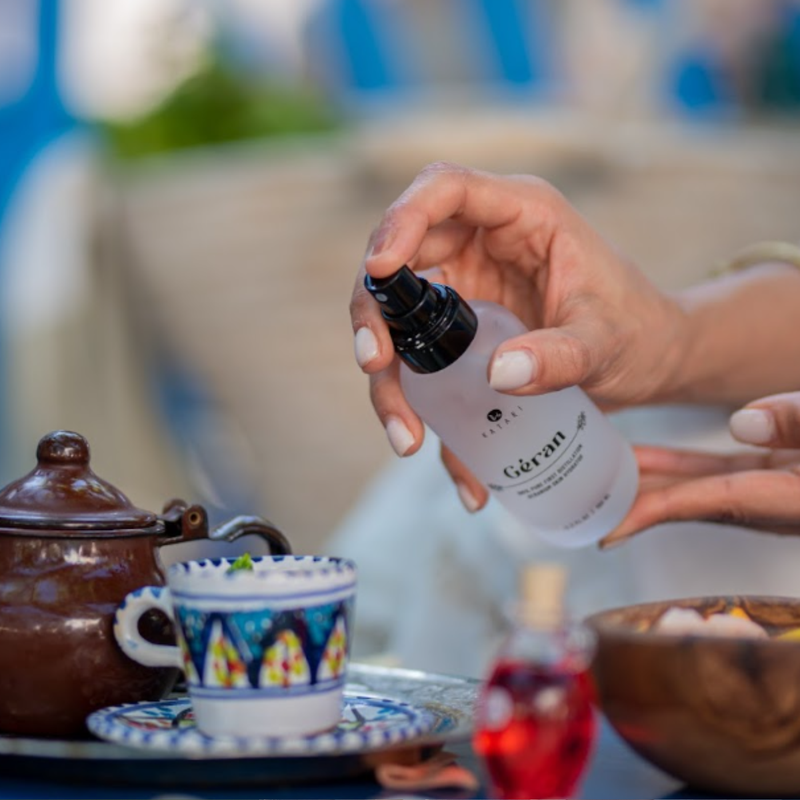
Béja, Tunisia · Wild geranium, first distillation
Géran · Geranium WaterGéran is pure geranium water, distilled from wild-grown geranium in northern Tunisia with the plant's own essential oil left in. Cooling, balan...
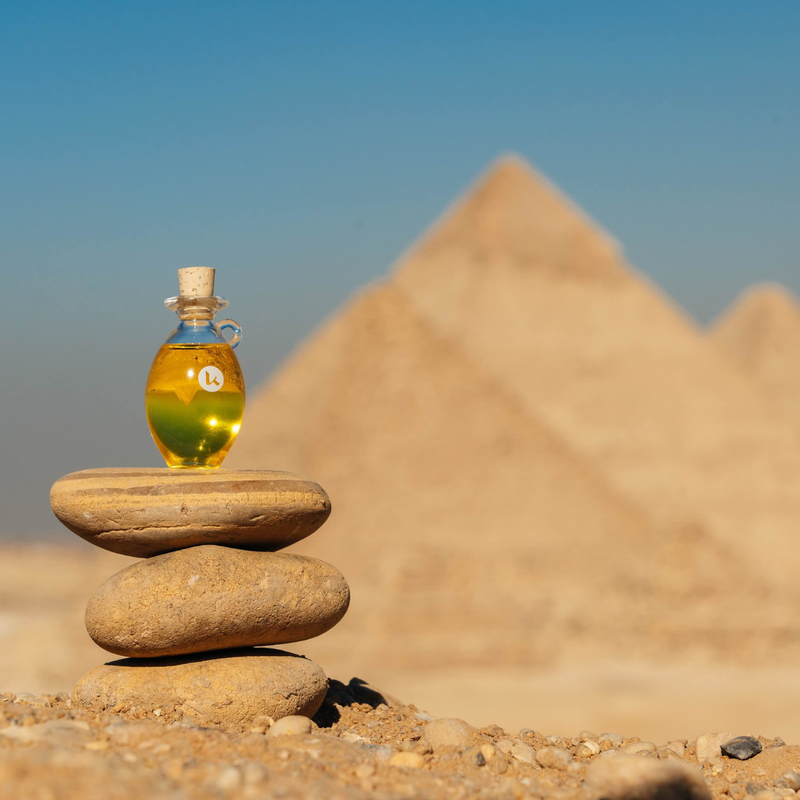
Nile Delta, Egypt · Cold-pressed liquid wax
Hoba · Jojoba OilHoba is pure jojoba, and technically not an oil at all. It is a liquid plant wax that closely resembles the sebum your own skin makes, which is why...
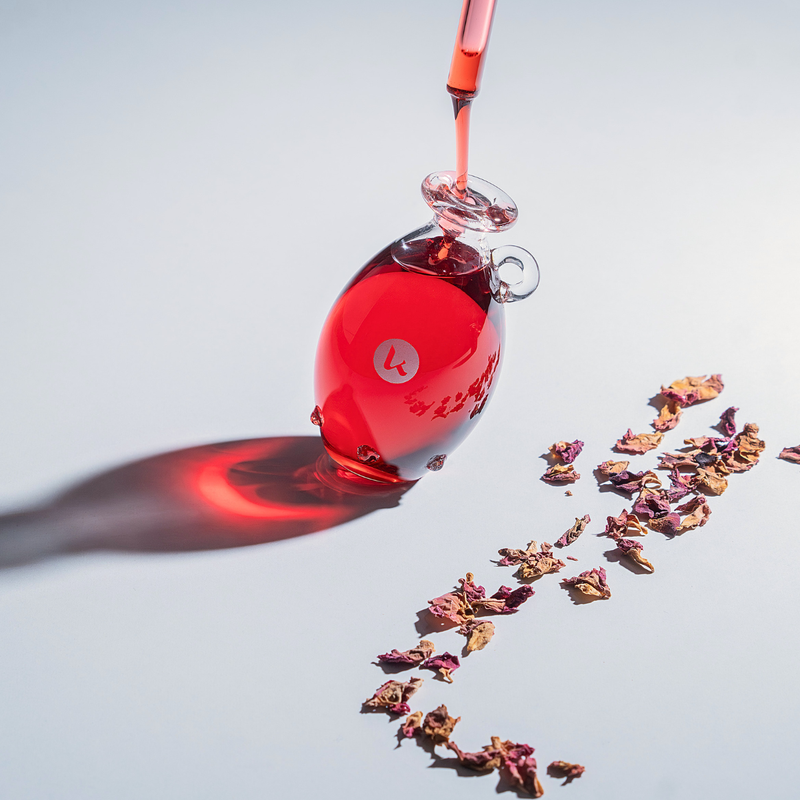
Egypt · Whole-bloom cold press
Rubi · Rosehip OilRubi is not the usual orange rosehip oil. Our makers press the dried buds and petals of the rose bush together with the seed, which gives it a deep...
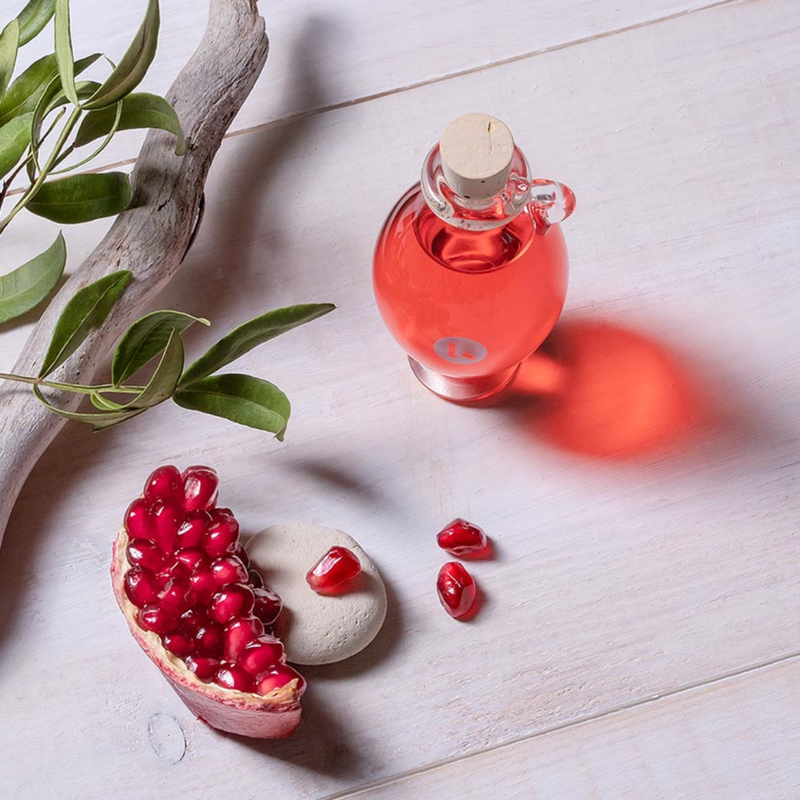
Nile Delta, Egypt · Whole-kernel cold press
Granate · Pomegranate Seed OilGranate is pomegranate seed oil made the old way: the whole kernel is dried, then cold-pressed, which is why it comes out soft pink. Rich in antiox...
Wild cactus forests, Tunisia · Cold-pressed seed oil
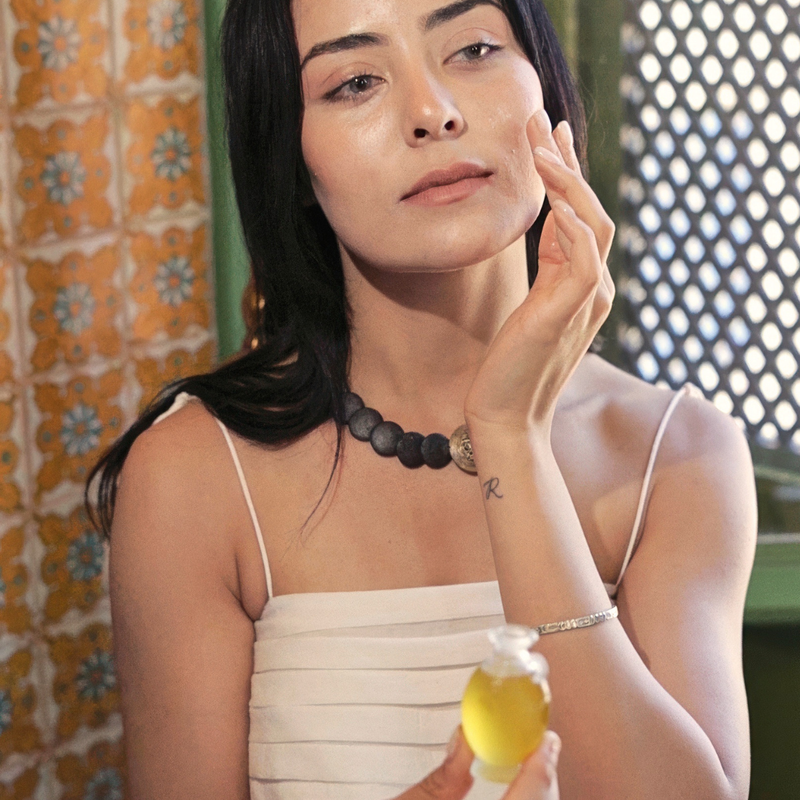
Barie · Prickly Pear Seed OilBarie is pure prickly pear seed oil from wild cacti in Tunisia, one of the rarest oils in skincare. It takes about 66 pounds of tiny seeds to press...
South of Aswan, Egypt · Cold-pressed
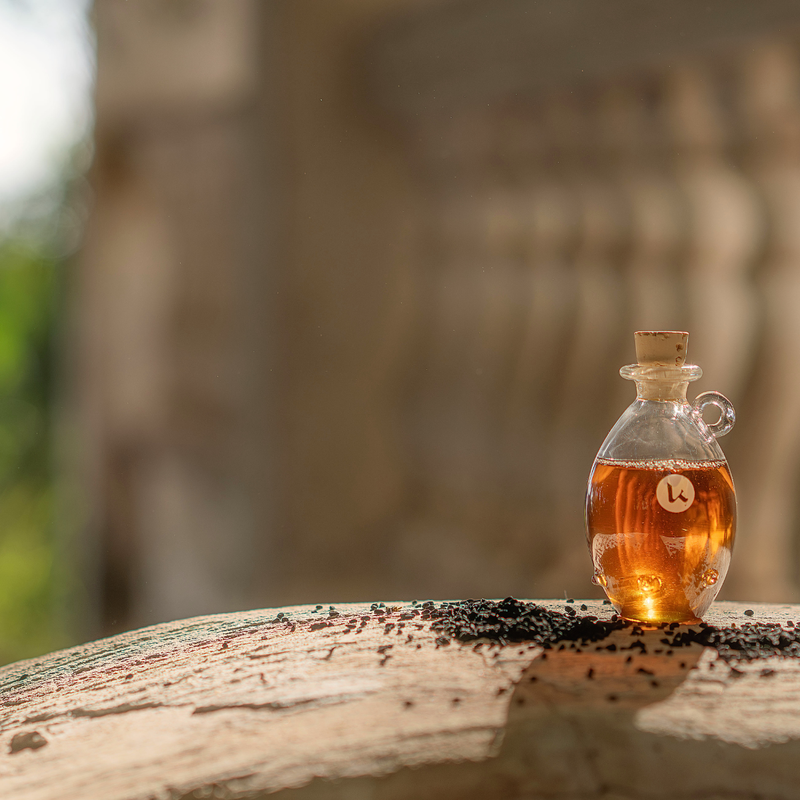
Black Seed OilBlack seed oil, pressed from the tiny black seeds of Nigella sativa, has been treasured along the Nile since the pharaohs; the seeds were even foun...
Central Tunisia, near Sbeitla · Hand-dug, sun-dried
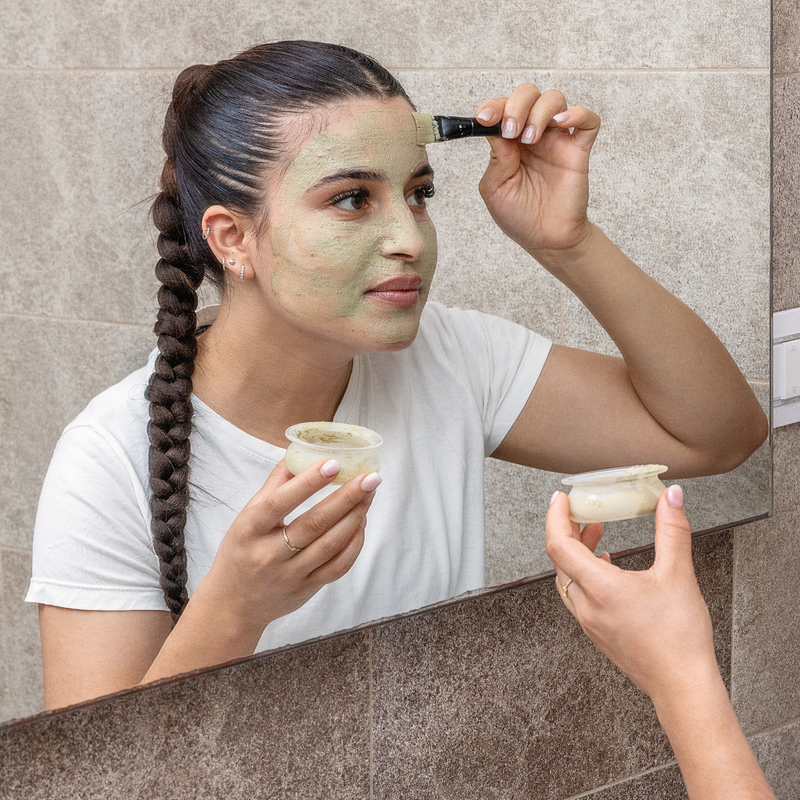
Argil · Green ClayArgil is a primordial green clay dug by hand from an ancient seabed near Sbeitla in central Tunisia and dried only by the sun. It draws out impurit...
Tunisia · Milled prickly pear seed
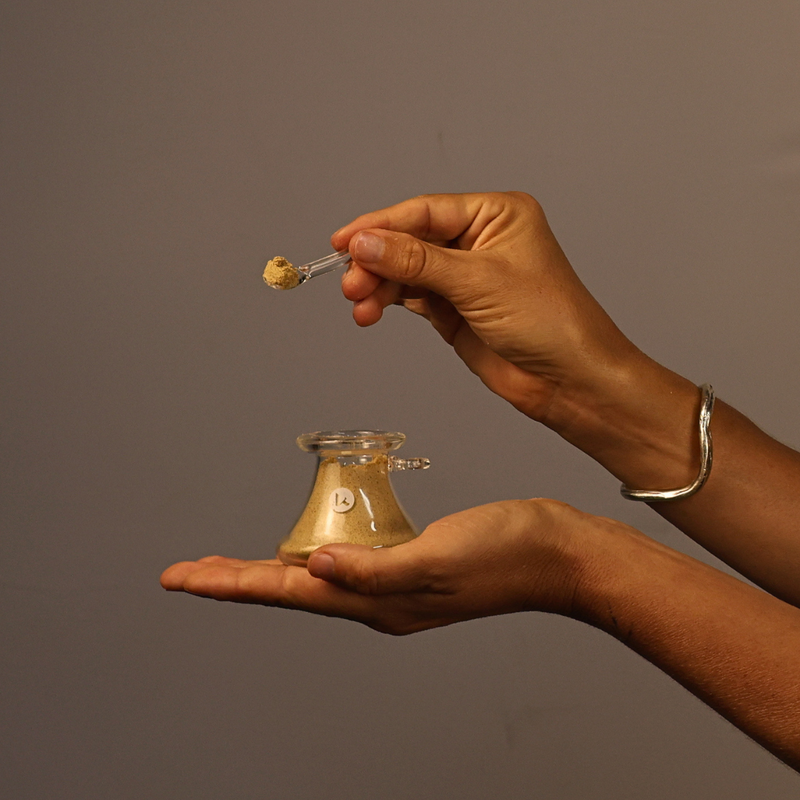
Poudre de Barie · Seed ExfoliantPoudre de Barie is what remains after we press Barie oil: the prickly pear seed cores, still holding about half their oil, milled into a soft, flou...

Upper Egypt · Roasted-bean cold press
Black Castor OilBlack castor oil is the thick, dark, old-world version of castor oil: the beans are roasted before pressing. It conditions hair from the root, help...
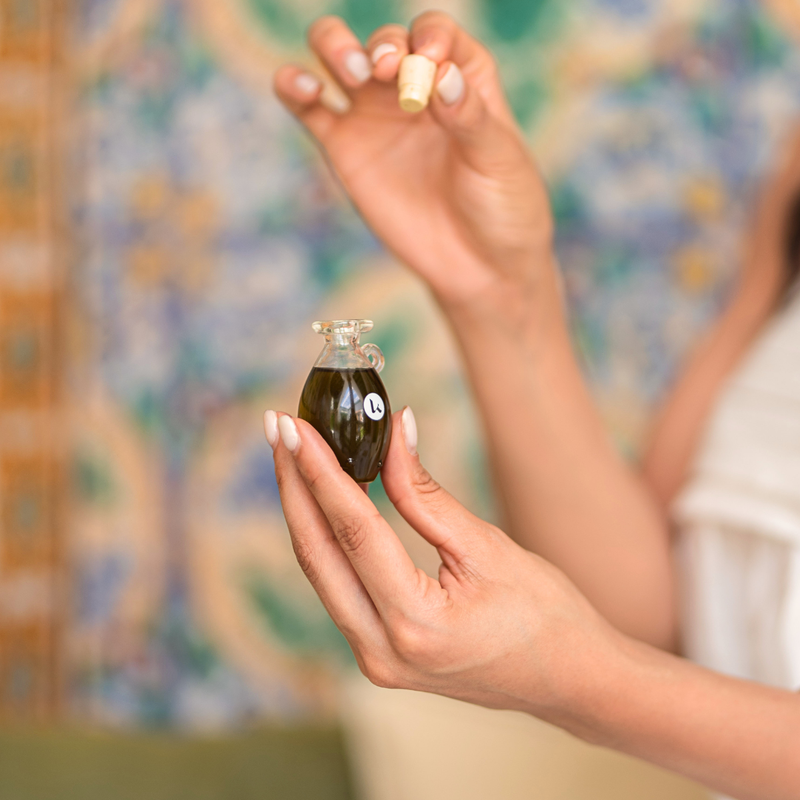
Nile Delta, Egypt · Pressed from dried leaves
Henna OilHenna Oil is the forest-green, grassy-smelling oil of the henna plant, pressed from dried leaves by Amr and his team in Egypt. It conditions the sc...
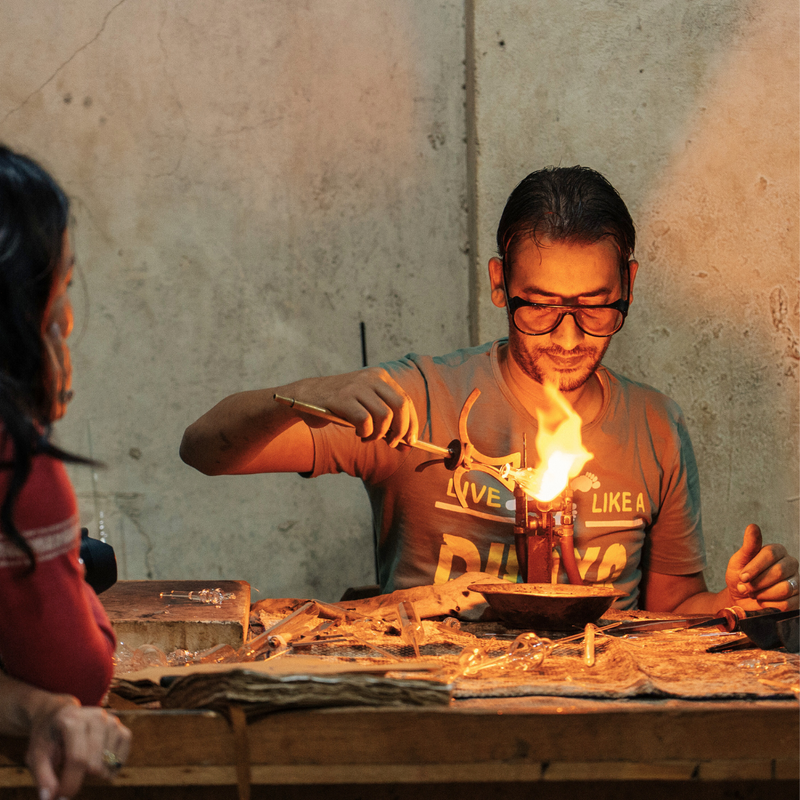
Hand-blown in Cairo · Borosilicate glass and cork
Hand-Blown Glass ApothecaryEvery jar, bottle, bowl and funnel we sell is shaped by breath and hand in a small Cairo workshop. Pure borosilicate glass and natural cork keep yo...
Nothing matches yet. Try another word.