


Wild cactus forests, Tunisia · Cold-pressed seed oil
Prickly Pear Seed Oil: The Complete Guide
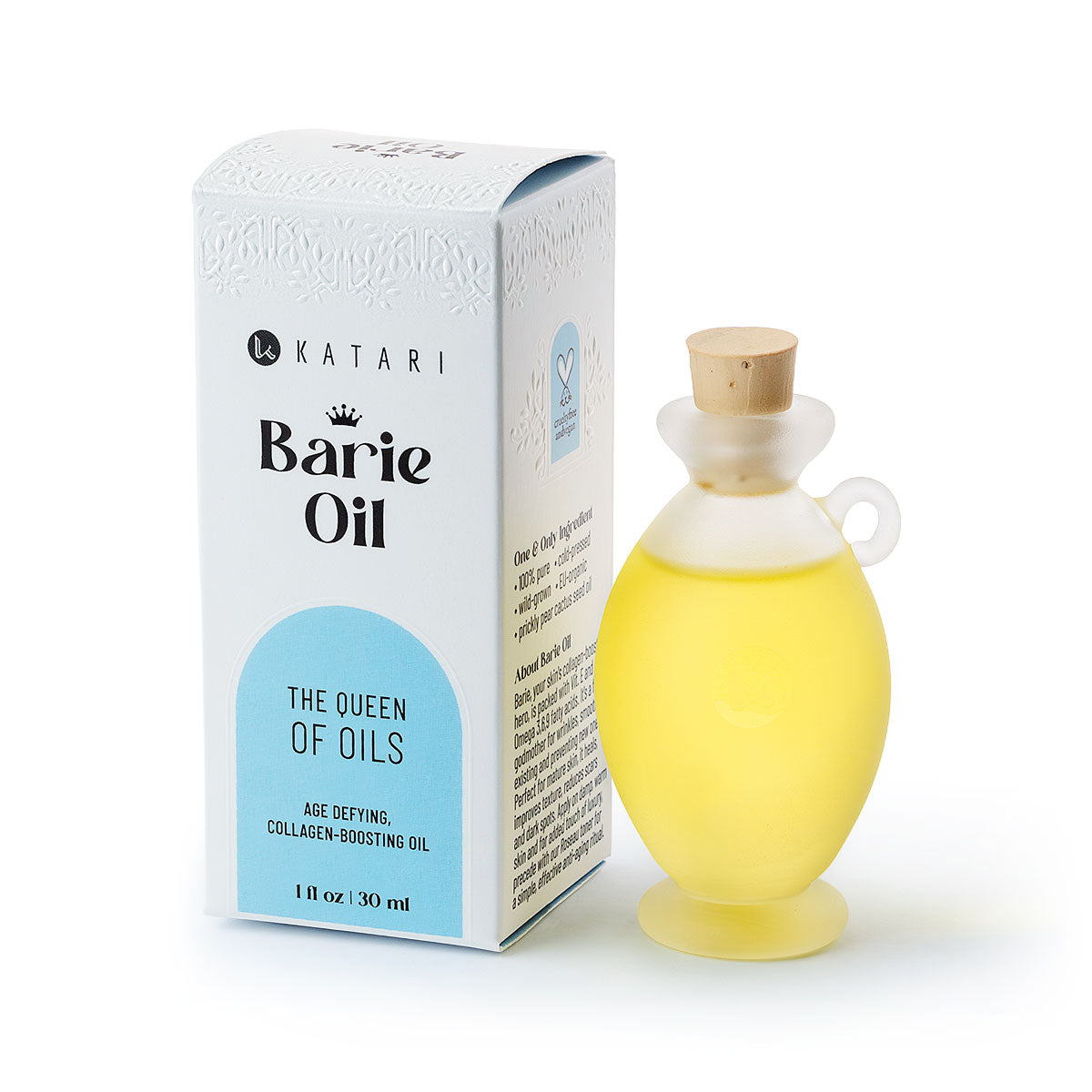
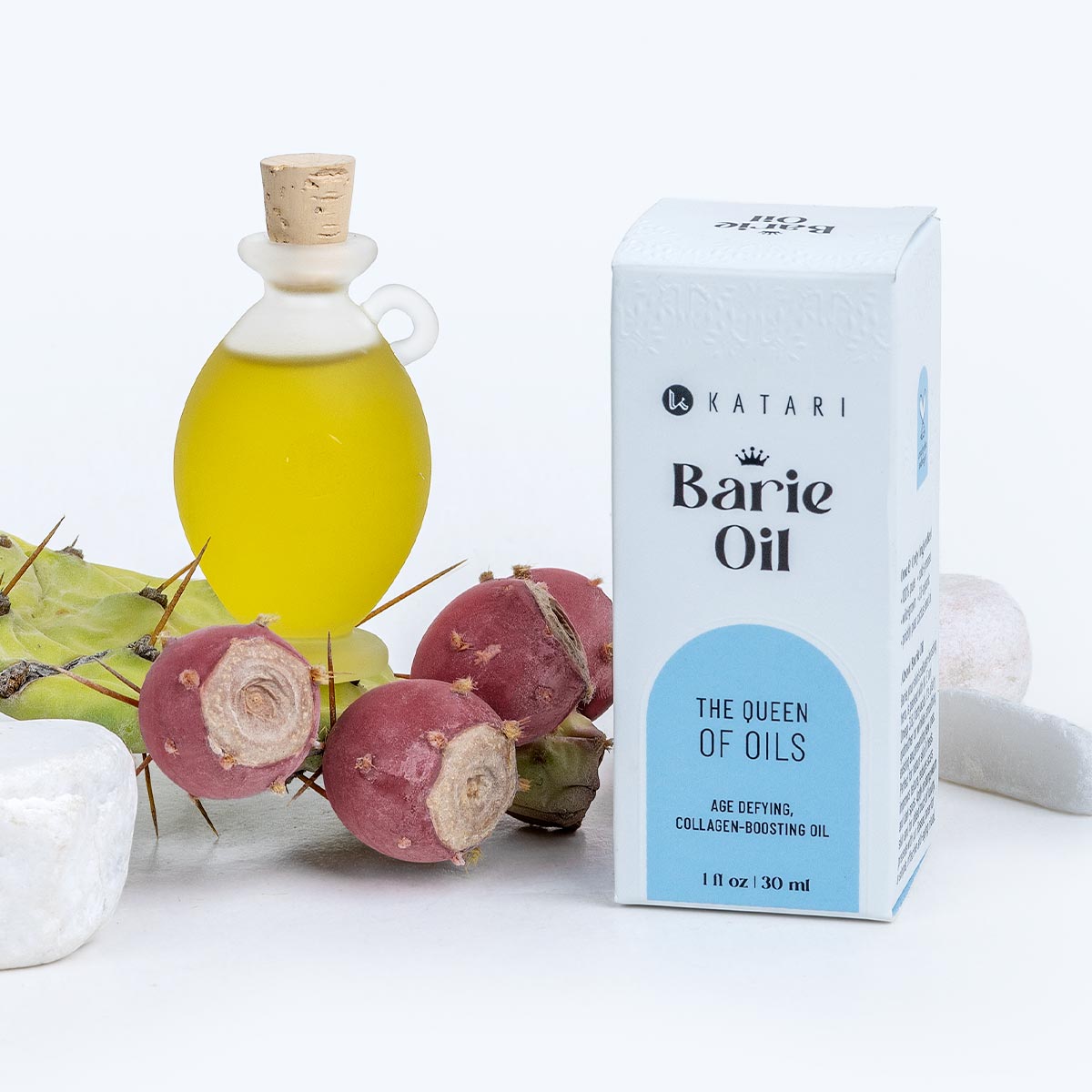
Barie is pure prickly pear seed oil from wild cacti in Tunisia, one of the rarest oils in skincare. It takes about 66 pounds of tiny seeds to press a single quart, and the reward is a light, vitamin E-rich oil for dry, mature skin that wants to look smoother and plumper.
- Ingredient (INCI)
- Opuntia ficus-indica seed oil
- Origin
- Wild-grown cacti, Tunisia
- Method
- Cold-pressed, EU organic-certified
- Texture
- Light-medium, absorbs in 1-3 minutes
- Best for
- Dry, mature or fragile skin
- Shelf life
- 2 years; best within 3-6 months


Free U.S. shipping over $75. Ships in 1-2 business days from Denver.
What It Does
- Intensely nourishes and smooths
- Helps skin look firmer and more elastic, with a natural glow
- Ideal for mature or depleted skin
Texture & absorption:
Light-to-medium oil. Absorbs in 1–3 minutes.
Aroma:
Nutty, green, earthy — natural seed aroma that fades quickly.
What It Is
Katari Barie Oil is pure, cold-pressed prickly pear cactus seed oil — one of the rarest and most prized oils in skincare. It is naturally rich in Vitamin E, along with fatty acids that help support skin's natural barrier for a smoother, plumper, more luminous look.
Barie softens the look of fine lines, brightens and refreshes the delicate under-eye area, and calms the look of redness. Beyond the face, it makes a beautiful primer, cuticle oil, and conditioning oil for tattoos and areas where skin has changed texture. Each quart takes about 66 pounds of hand-harvested seeds (roughly 250 prickly pears for every 1 oz bottle), which is why it is one of the most precious skincare ingredients in the world.
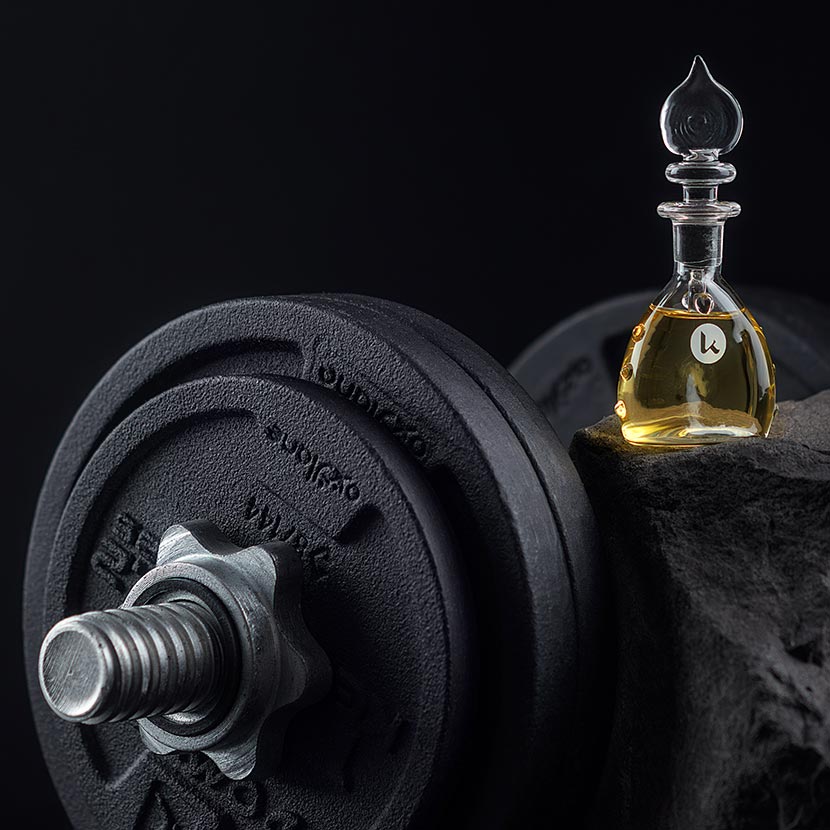
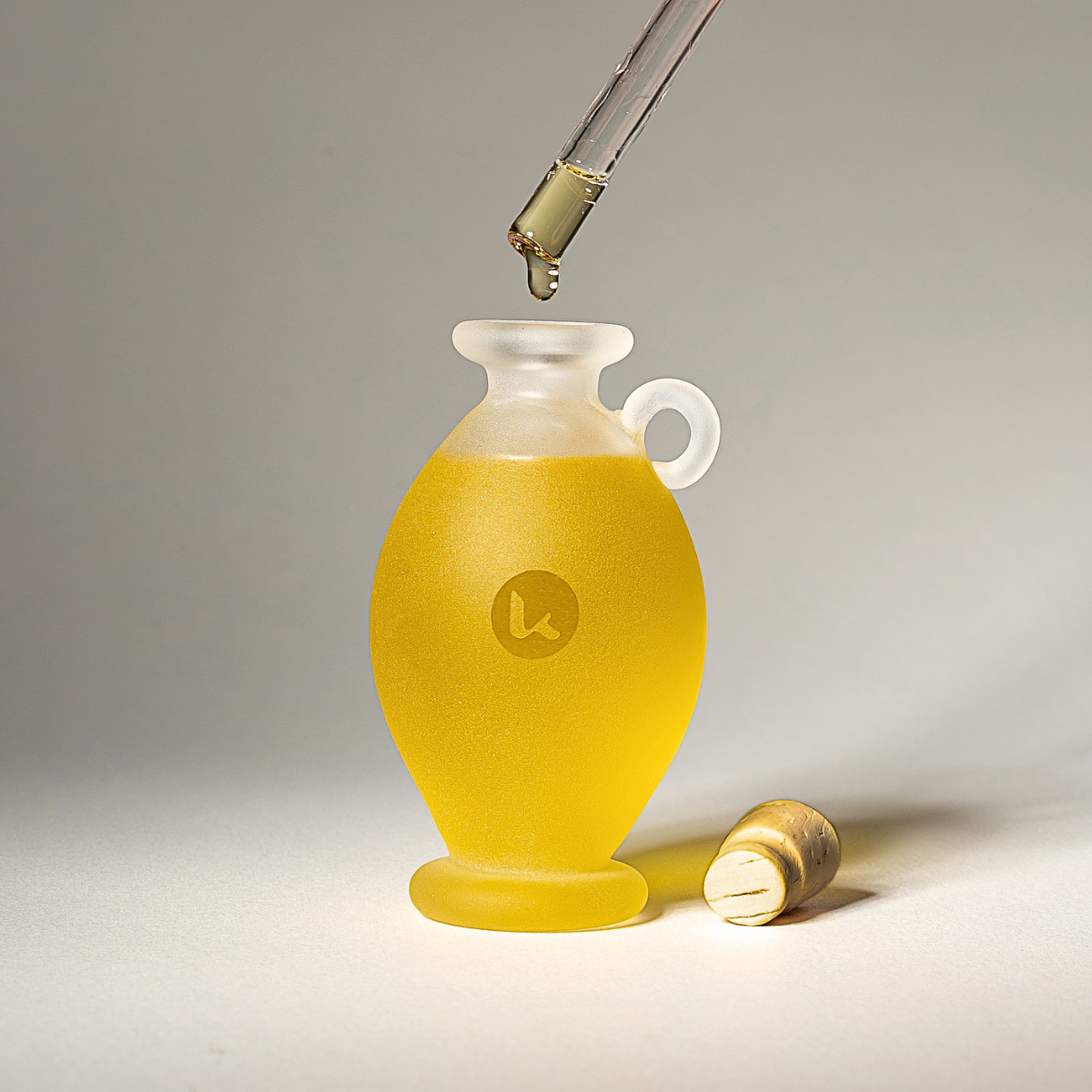
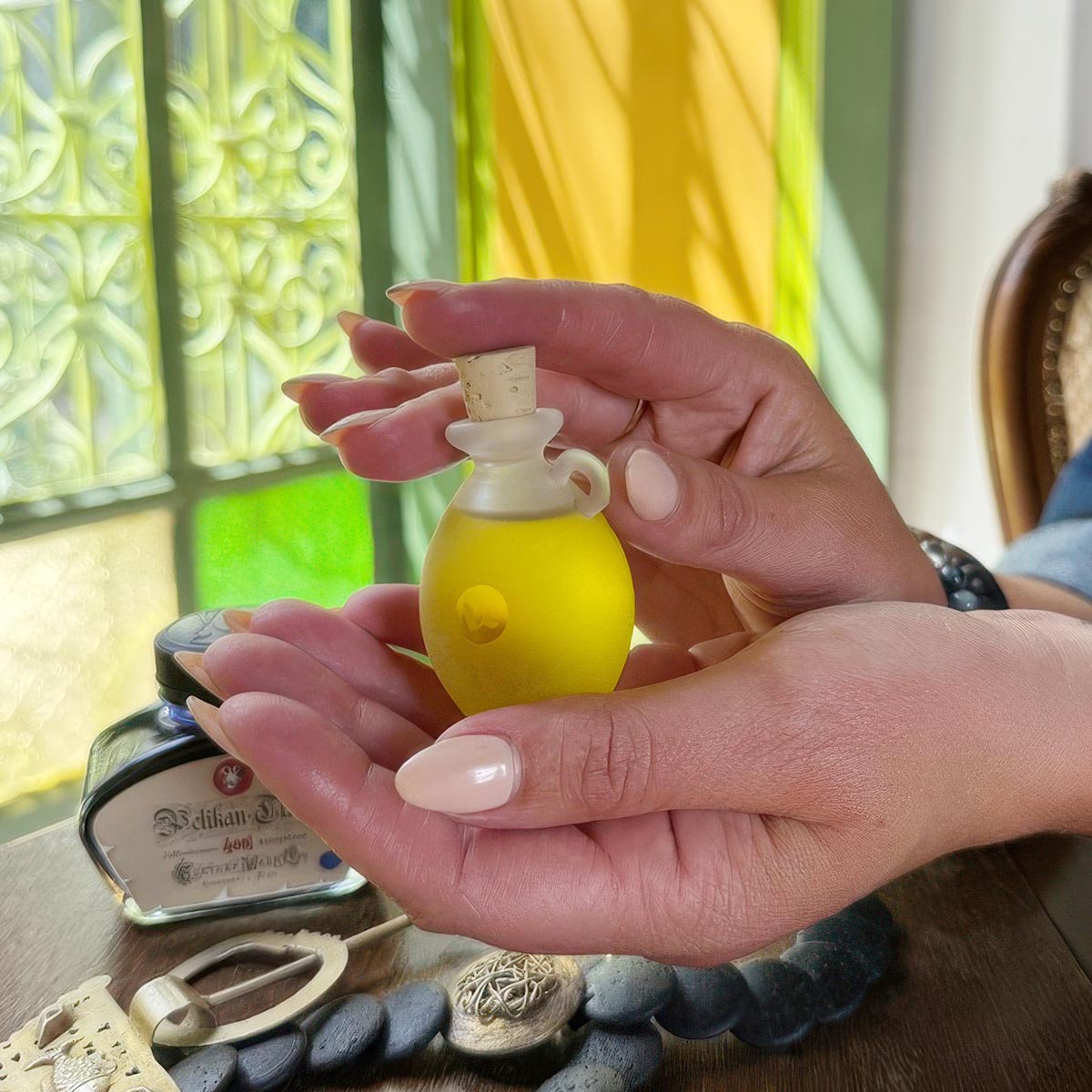
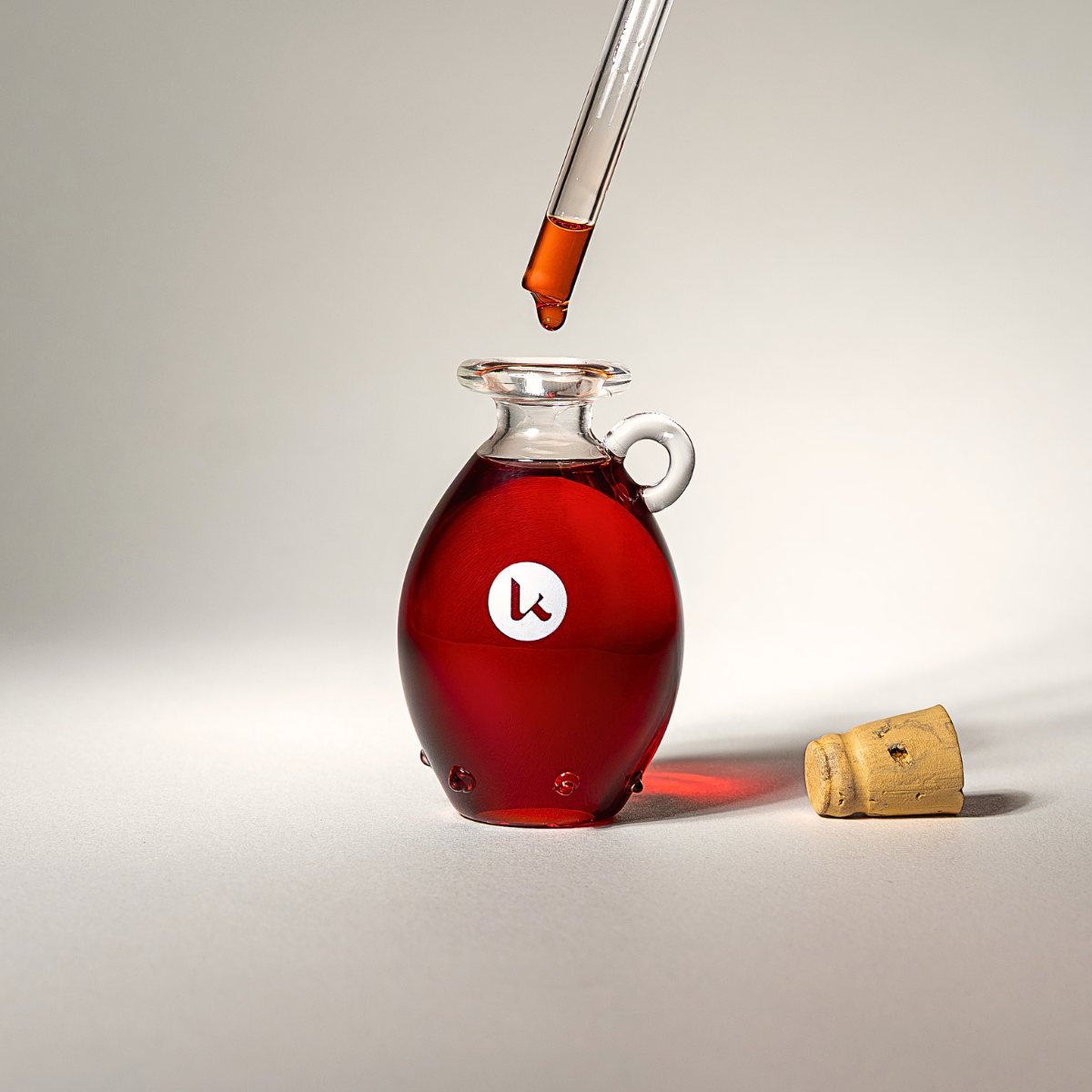
Bottled in handblown glass with cork, cruelty-free and preservative-free. One ingredient, nothing added.
What it is
Barie is 100% cold-pressed prickly pear cactus seed oil. Each prickly pear holds a few hundred tiny, rock-hard seeds, and each seed is only about 5% oil. About 250 prickly pears go into one 1 oz bottle, and it takes roughly 66 pounds of seeds to press a single quart. That is why Barie costs what it does, and why we treat every drop with respect.
For all that effort, it feels surprisingly light. It sinks in within a couple of minutes and leaves skin soft, smooth and luminous, never greasy.
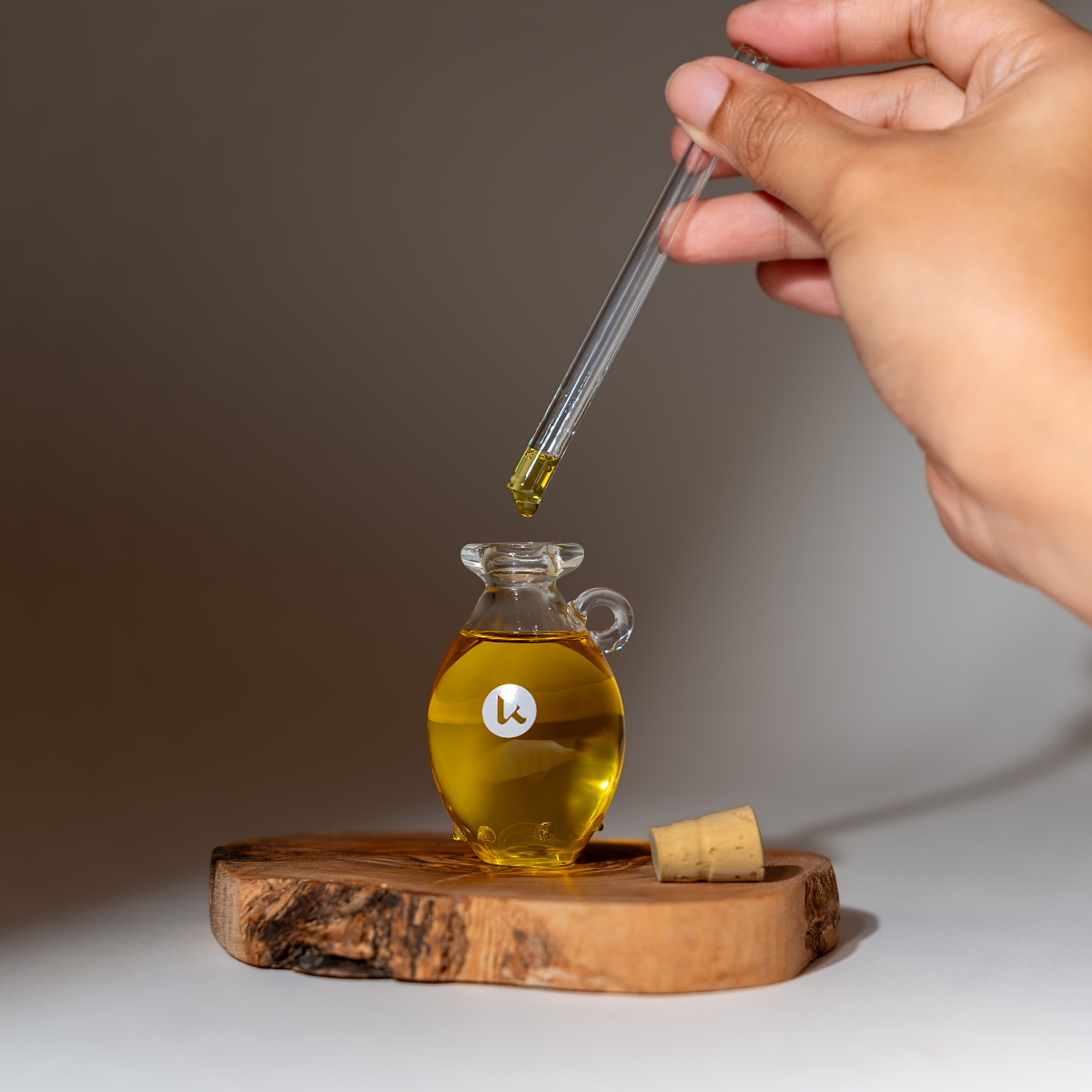
Two drops a night is enough. Used that way, a 1 oz bottle lasts three months or more.
Where it comes from
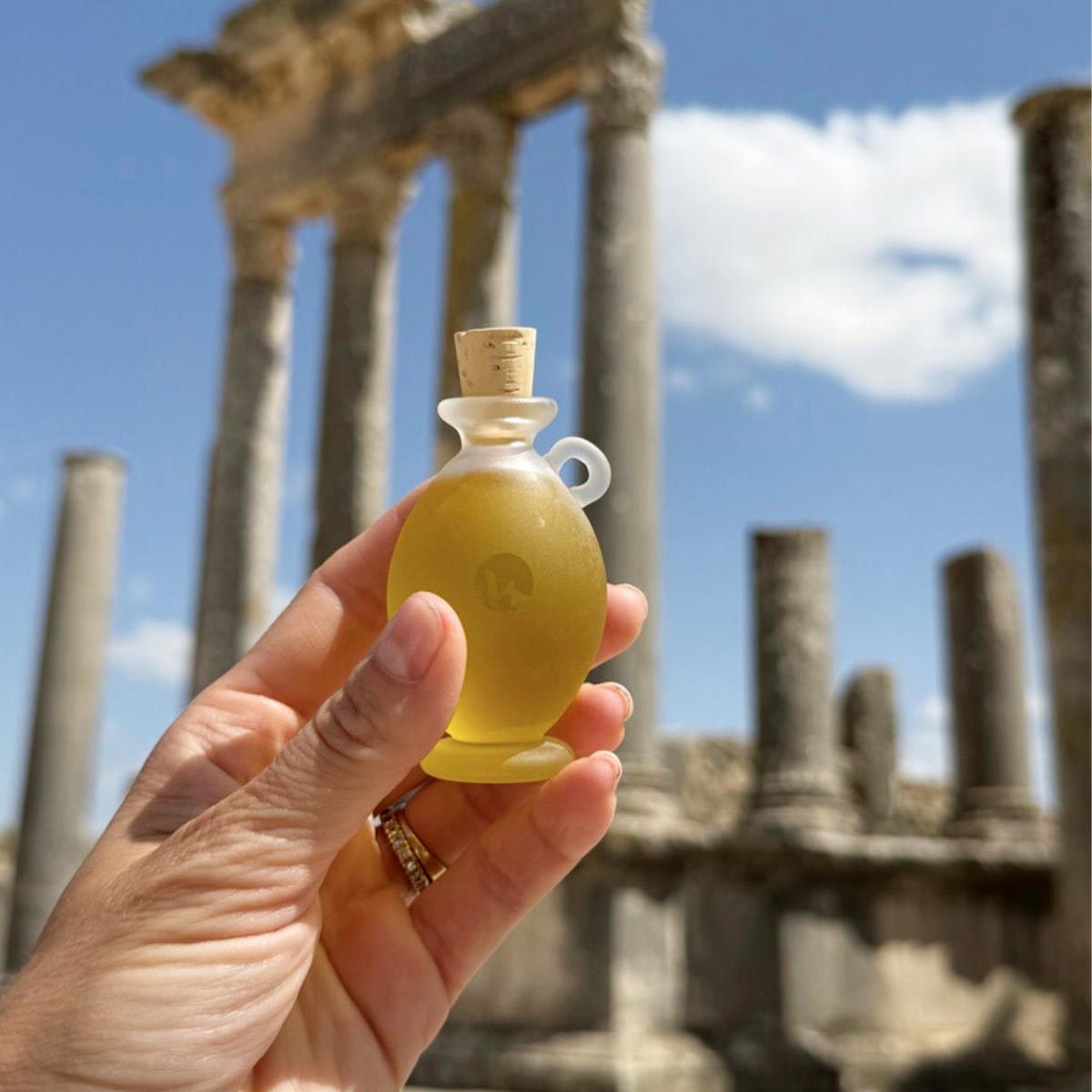
Barie comes from wild cactus forests in Tunisia. Nobody plants or sprays these cacti; they grow on their own in dry, rocky land. The fruit is picked by hand, carefully, around the thorns. The seeds are separated, cleaned, dried and cold-pressed by Tareq, our maker in Tunisia. The seeds and the pressing process are EU organic-certified.

How to use it
- Mist. After cleansing, mist Roseau or Géran so skin is damp.
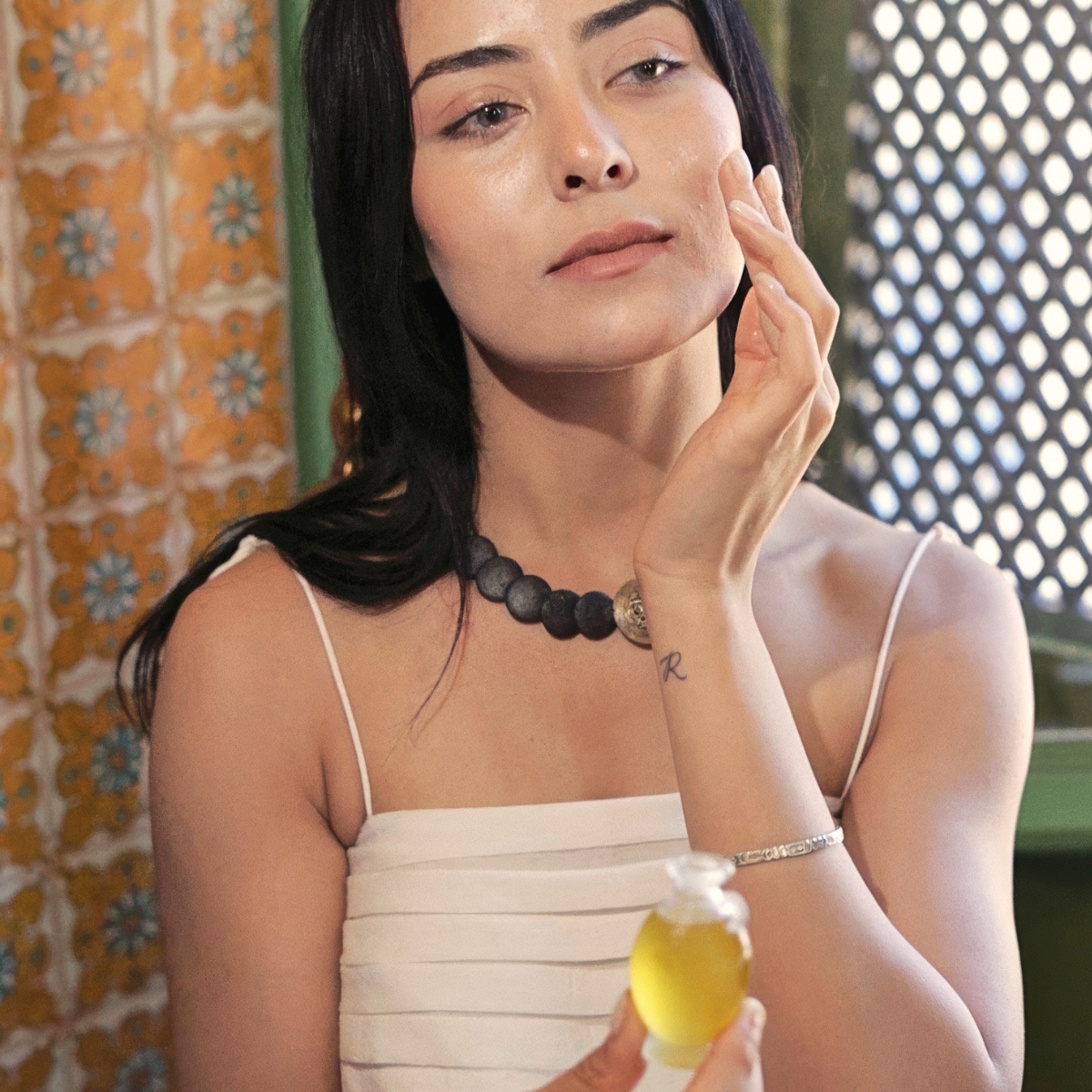
- Warm 1-2 drops. Barie is concentrated. Warm one or two drops between your fingertips.
- Press, don't rub. Press into face, neck and décolleté. For the under-eye area, pat a single drop with your ring finger; that is enough for both eyes.
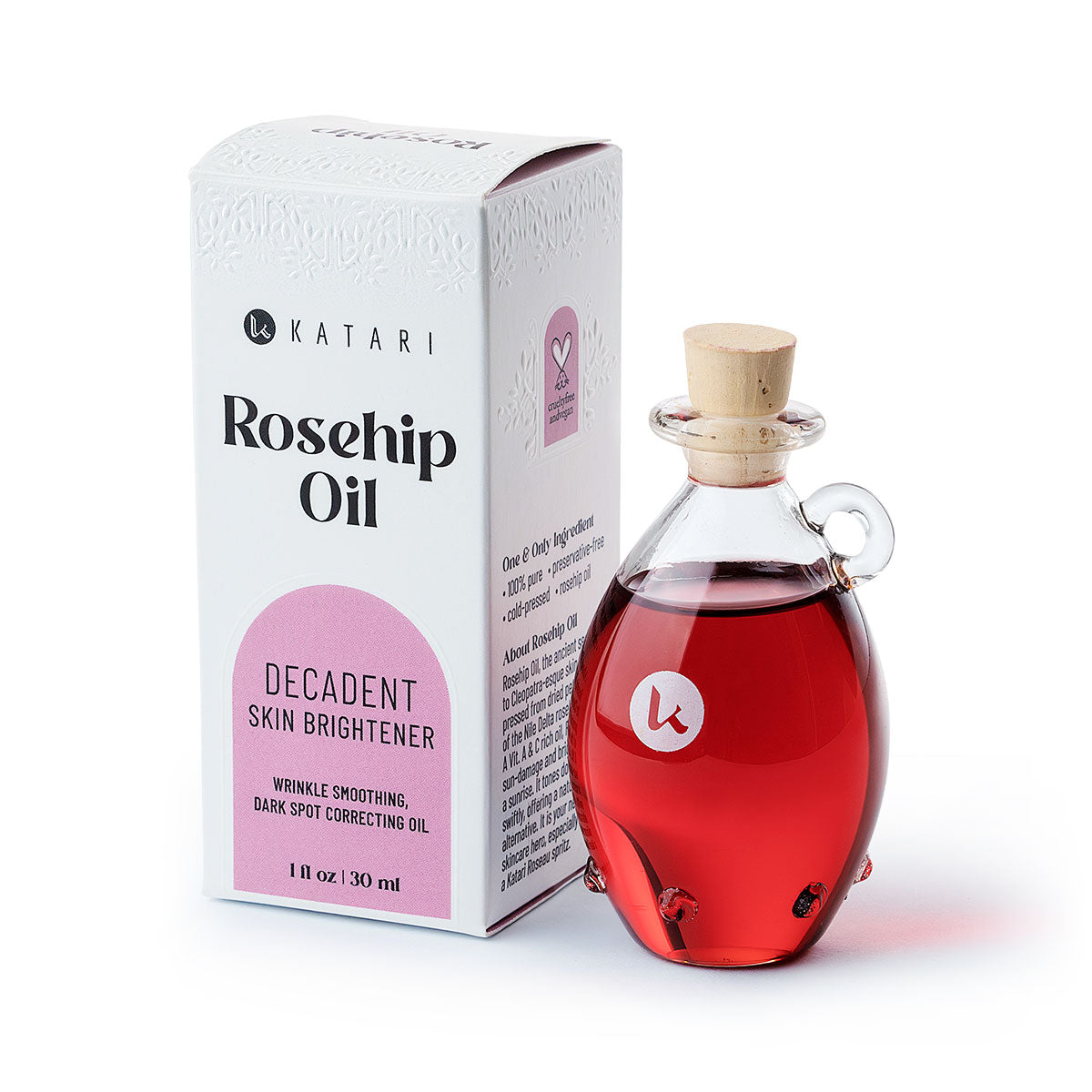
- Layer at night. For dry or mature skin, press in Hoba first, then Barie on top. For a richer night ritual, layer Rubi, then Barie.
More ways to use Barie
- Makeup primer. One drop on damp skin before foundation.
- Gua sha or facial massage. Barie gives just enough slip for a slow, lifting massage.
- Cuticles and nails. A drop on each hand at night.
- Tattoos and texture changes. A conditioning oil for tattooed skin and areas where skin has changed texture.
The chemistry
Prickly pear seed oil is prized for two things: a high share of linoleic acid, the omega-6 the skin barrier is built from, and one of the highest natural levels of vitamin E found in any plant oil. It also carries rare plant sterols, including delta-7-stigmasterol.
| Component | Typical range | Why it matters |
|---|---|---|
| Linoleic acid (omega-6) | About 55-65% | A key building block of the skin barrier; helps skin feel soft and supple |
| Oleic acid (omega-9) | About 15-25% | Softens and helps skin hold moisture |
| Palmitic acid | About 10-13% | Adds richness and helps limit moisture loss |
| Vitamin E (tocopherols) | Around 1,000 mg/kg | Antioxidant; protects the oil and helps defend skin from environmental stress |
| Plant sterols (incl. delta-7-stigmasterol) | Present | Help skin look smoother and feel more comfortable |
Typical values for cold-pressed prickly pear seed oil from published analyses. Values vary by harvest.
Who it's for
- Dry, mature or fragile skin, especially from your mid-30s on.
- Skin in perimenopause that suddenly feels thinner and drier.
- Tired, puffy-looking under-eyes.
- Anyone who wants the richest oil in the collection without a heavy feel.
For professionals
Barie is a luxurious finishing oil for facials and a beautiful eye-area treatment. Because it is so concentrated, one or two drops per area is plenty. Pair it with gua sha or lymphatic massage, or blend a drop into Hoba for full-face massage.
Storage and shelf life
Barie has a 2-year shelf life. Keep the cork closed and the bottle out of direct sun and bathroom steam. For the freshest oil, we suggest enjoying it within 3-6 months of receiving it.
Safety
For external use only. Patch test any new product: apply a little to your inner forearm once a day for two days. If you notice redness, itching or swelling, rinse with cool water and stop using it. Keep out of reach of children. If you are pregnant, nursing or under a doctor's care, check with your doctor first.
Questions
Why does Barie cost more than other oils?
It takes about 66 lbs of cactus seeds to press a single quart, and about 250 prickly pears go into one 1 oz bottle. The fruit is picked by hand around the thorns, and each seed holds only about 5% oil. Two drops a night keep a bottle going for three months or more.
Can I use it around my eyes?
Yes. One drop, patted (not rubbed) with your ring finger, is enough for both eyes.
Can I layer Barie with other Katari oils?
Yes. Hoba underneath balances skin, and Barie on top focuses on lines and firmness. Rubi and Barie together make a rich night ritual for dry, mature skin.
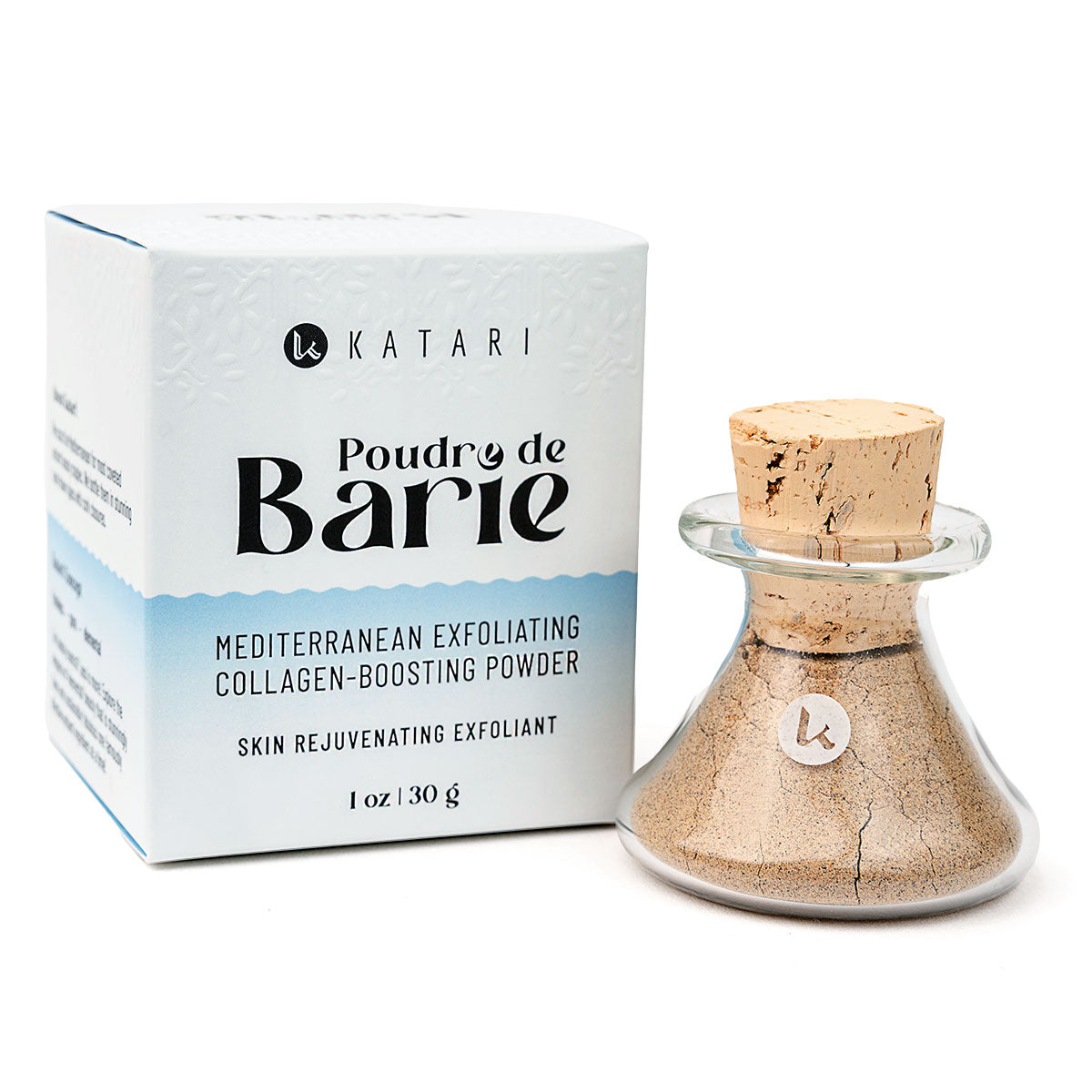
What is Poudre de Barie?
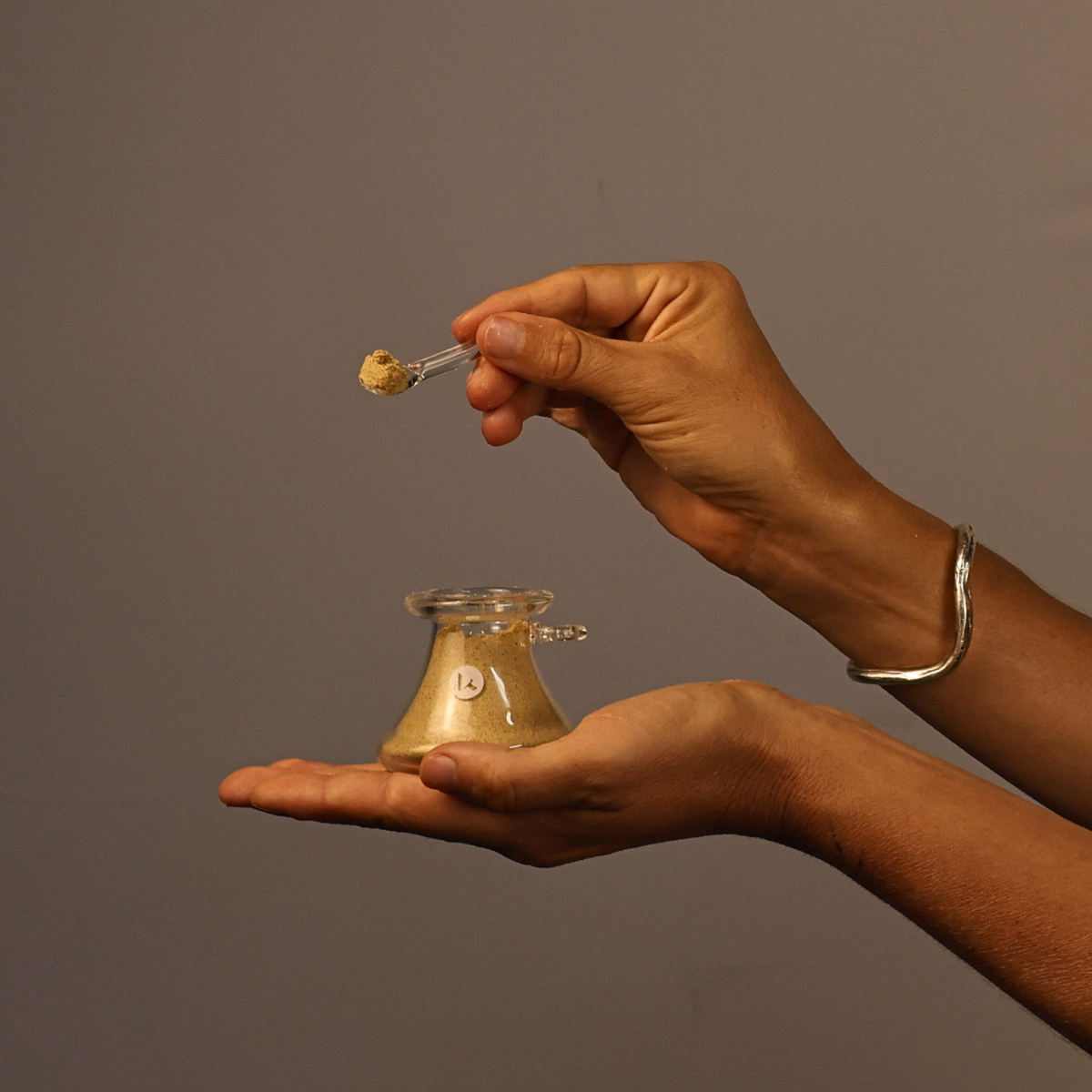
After pressing, the seed cores still hold about half their oil. We mill them into Poudre de Barie, a soft exfoliating powder. Nothing goes to waste.
From the Journal
66 Pounds of Seeds for One Quart →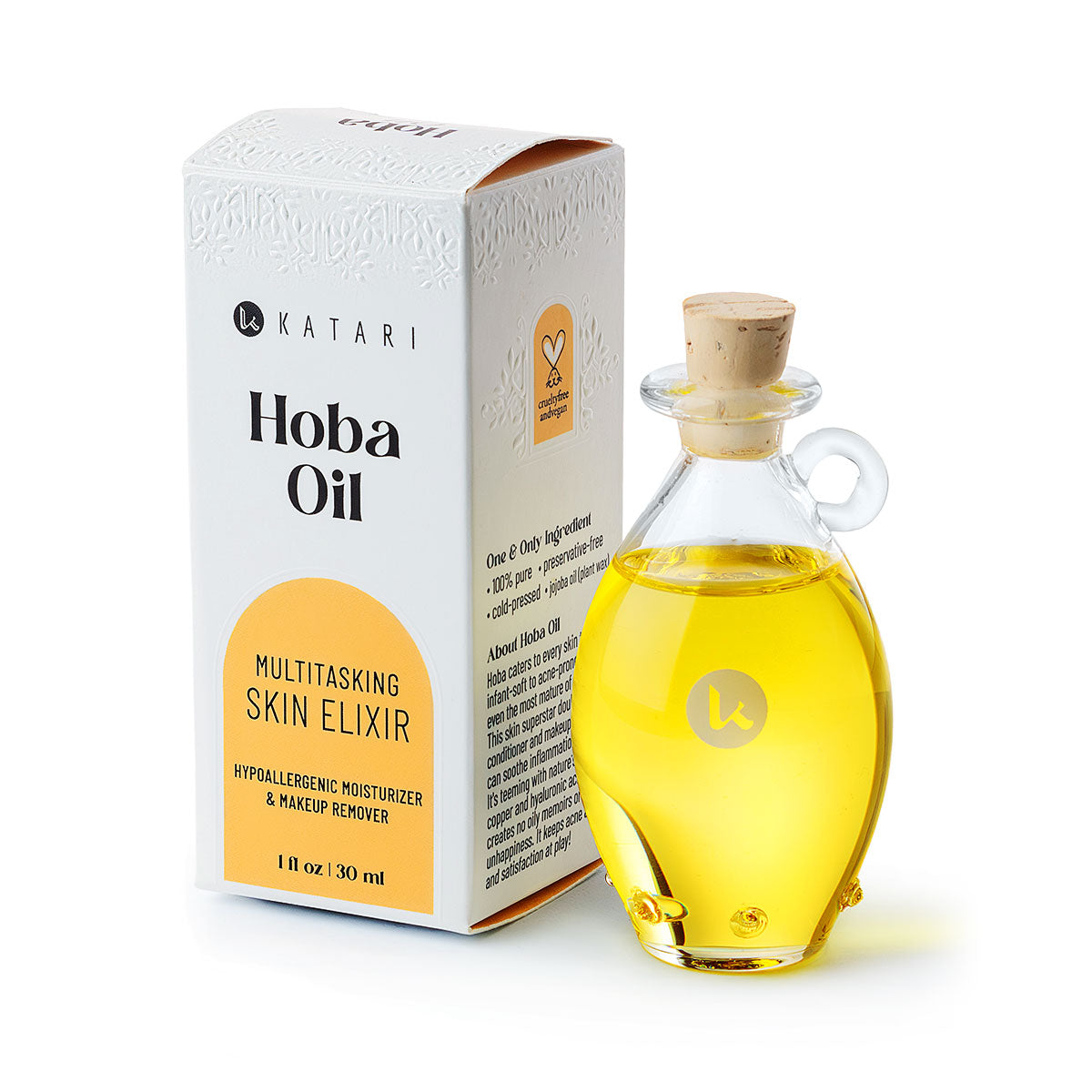
Barie
€146,95+
What our customers say
4.95★ from 425 reviews
Marcia, LA celebrity esthetician
There are oils, and there are Katari oils
Marcia has prepared her famous clients for red-carpet events with Katari for years, and made Géran her signature scent.
Christina K.
The only skincare I'll ever buy
Katari Beauty is the definition of pure and quality… this is the ONLY skincare products that I will ever buy for the rest of my life.
Karni M.
THIS is my new favorite
Every time I buy a different oil from Katari, I say the same 2 things… “THIS is my new favorite” and “I want to take a bath in this.”
Maureen
Nothing like it
The lengths that they go to find the most amazing raw material and the handblown glass bottles is not like anything I have seen before.
Elizabeth B.
By far the best
I've tried multiple toners in the past and this is by far the best I've found… Katari Beauty is one of the best companies I've encountered in the industry.
Keep exploring
More from the Ingredient Library
Béja, Tunisia · First distillation
Roseau · Rose WaterRoseau is pure rose water, distilled once a year from fresh Damask rose petals in Béja, Tunisia, with the rose's own oil left in. It is the fir...
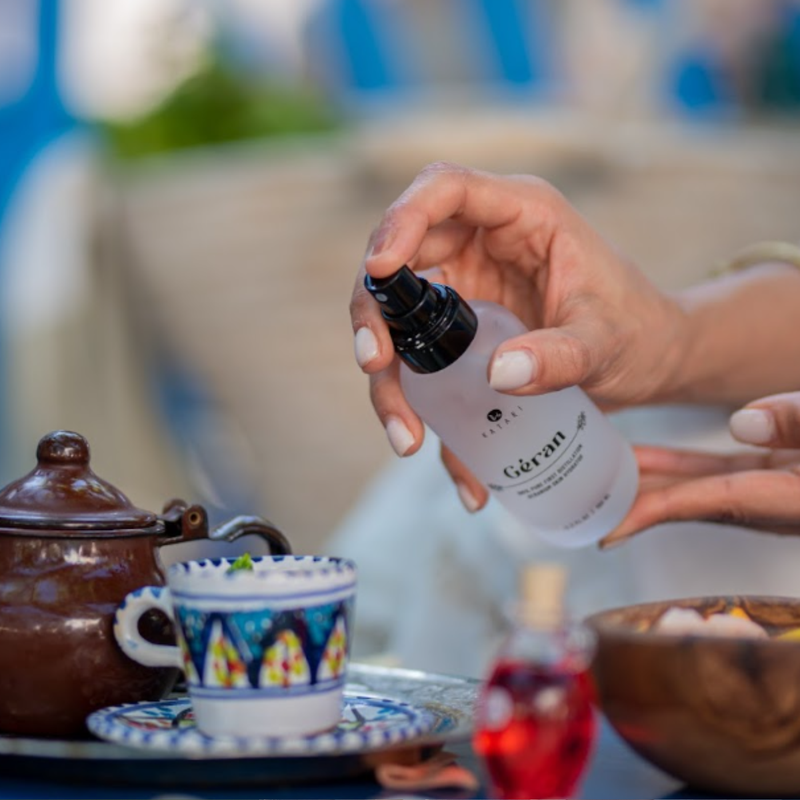
Béja, Tunisia · Wild geranium, first distillation
Géran · Geranium WaterGéran is pure geranium water, distilled from wild-grown geranium in northern Tunisia with the plant's own essential oil left in. Cooling, balan...
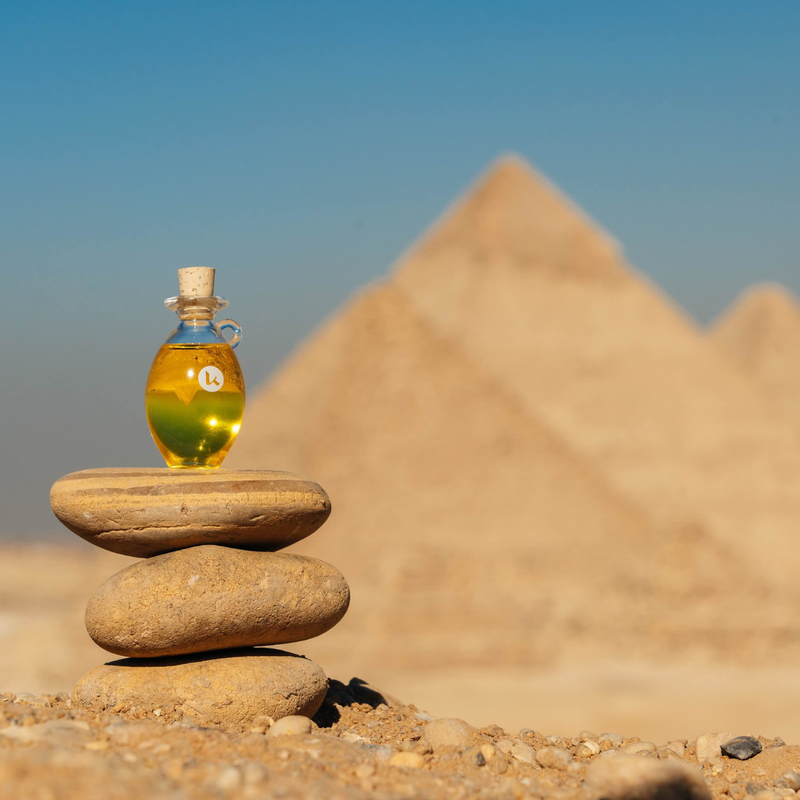
Nile Delta, Egypt · Cold-pressed liquid wax
Hoba · Jojoba OilHoba is pure jojoba, and technically not an oil at all. It is a liquid plant wax that closely resembles the sebum your own skin makes, which is why...
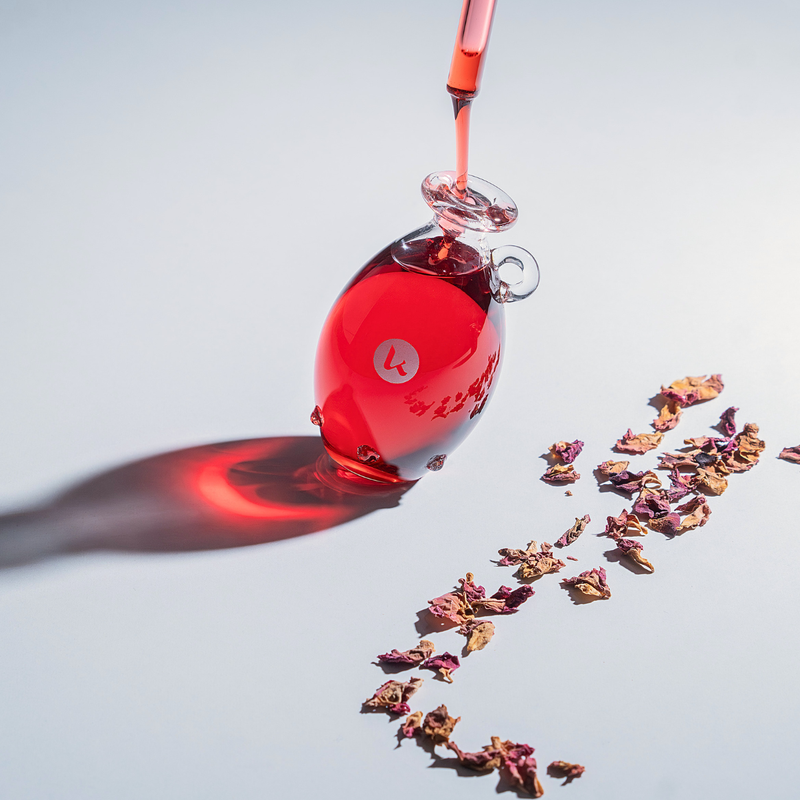
Egypt · Whole-bloom cold press
Rubi · Rosehip OilRubi is not the usual orange rosehip oil. Our makers press the dried buds and petals of the rose bush together with the seed, which gives it a deep...
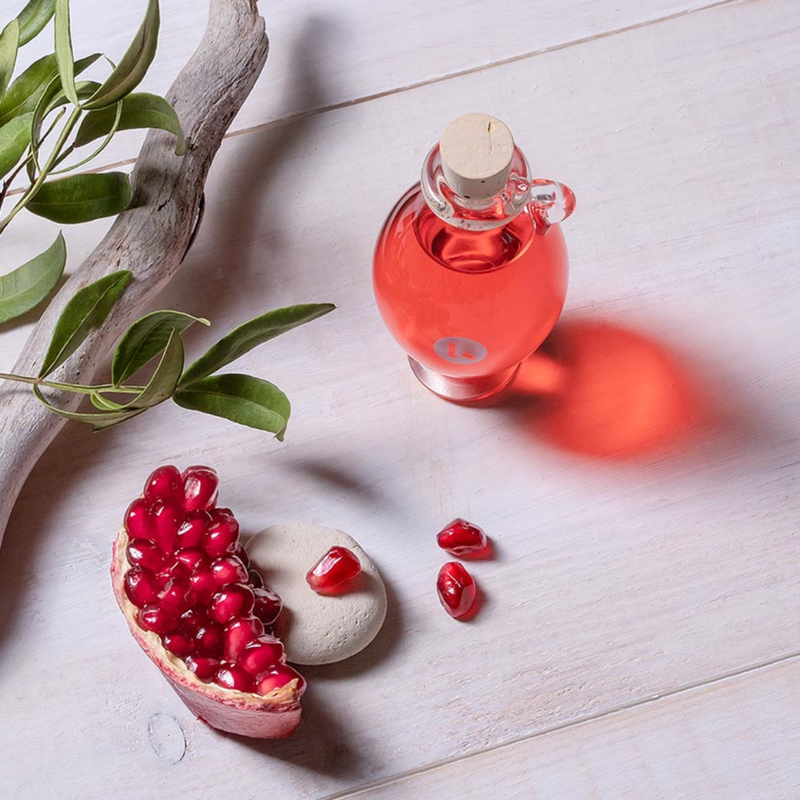
Nile Delta, Egypt · Whole-kernel cold press
Granate · Pomegranate Seed OilGranate is pomegranate seed oil made the old way: the whole kernel is dried, then cold-pressed, which is why it comes out soft pink. Rich in antiox...
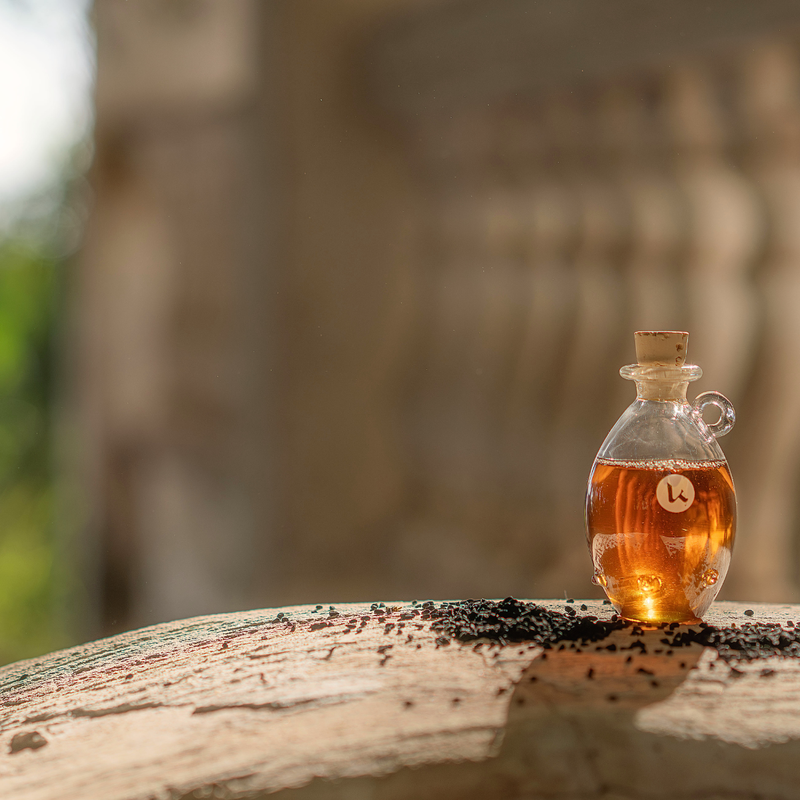
South of Aswan, Egypt · Cold-pressed
Black Seed OilBlack seed oil, pressed from the tiny black seeds of Nigella sativa, has been treasured along the Nile since the pharaohs; the seeds were even foun...
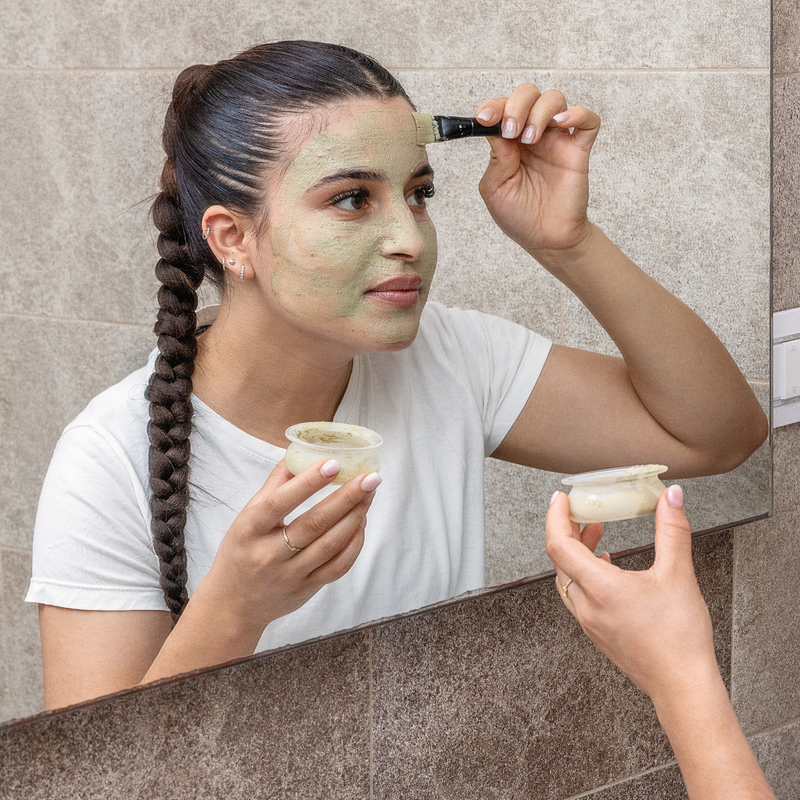
Central Tunisia, near Sbeitla · Hand-dug, sun-dried
Argil · Green ClayArgil is a primordial green clay dug by hand from an ancient seabed near Sbeitla in central Tunisia and dried only by the sun. It draws out impurit...
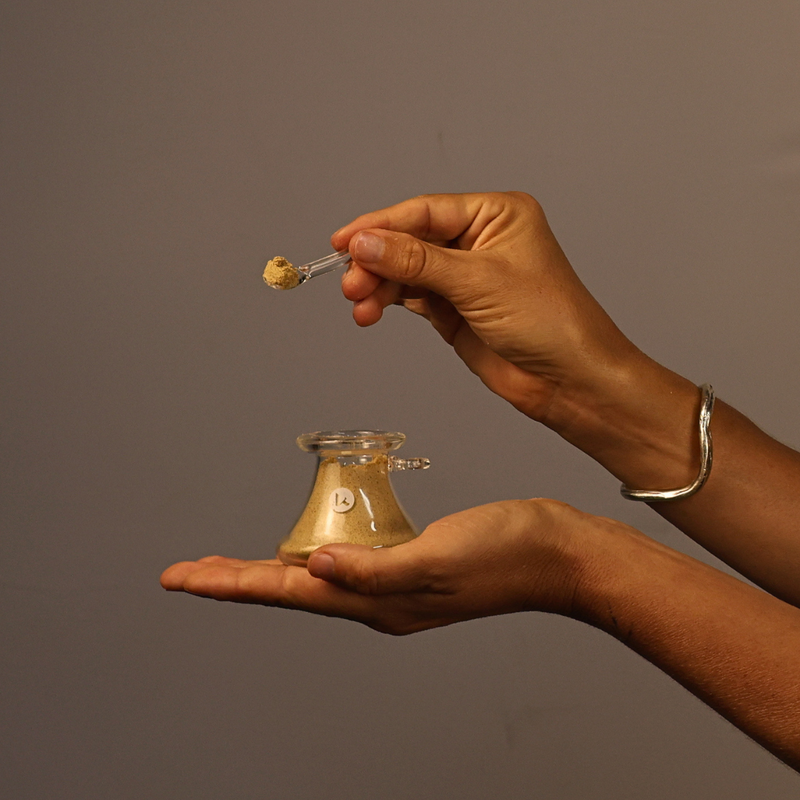
Tunisia · Milled prickly pear seed
Poudre de Barie · Seed ExfoliantPoudre de Barie is what remains after we press Barie oil: the prickly pear seed cores, still holding about half their oil, milled into a soft, flou...

Upper Egypt · Roasted-bean cold press
Black Castor OilBlack castor oil is the thick, dark, old-world version of castor oil: the beans are roasted before pressing. It conditions hair from the root, help...
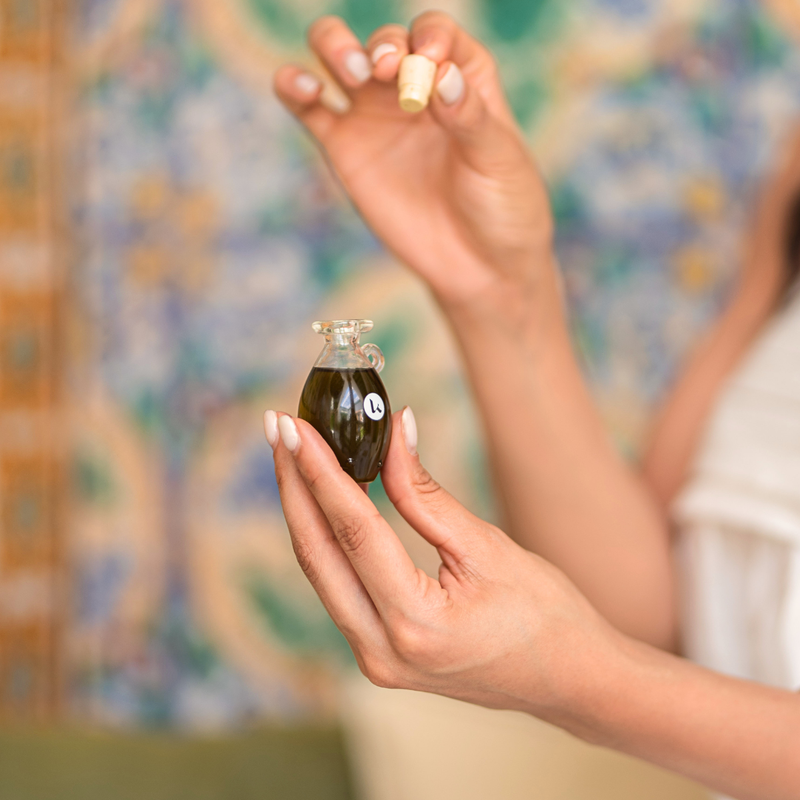
Nile Delta, Egypt · Pressed from dried leaves
Henna OilHenna Oil is the forest-green, grassy-smelling oil of the henna plant, pressed from dried leaves by Amr and his team in Egypt. It conditions the sc...
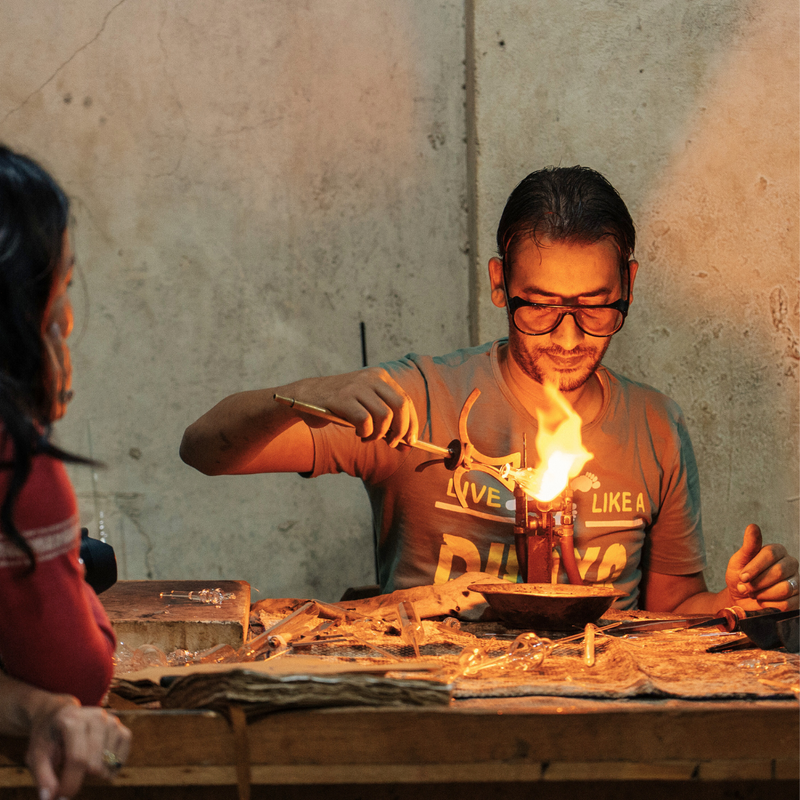
Hand-blown in Cairo · Borosilicate glass and cork
Hand-Blown Glass ApothecaryEvery jar, bottle, bowl and funnel we sell is shaped by breath and hand in a small Cairo workshop. Pure borosilicate glass and natural cork keep yo...
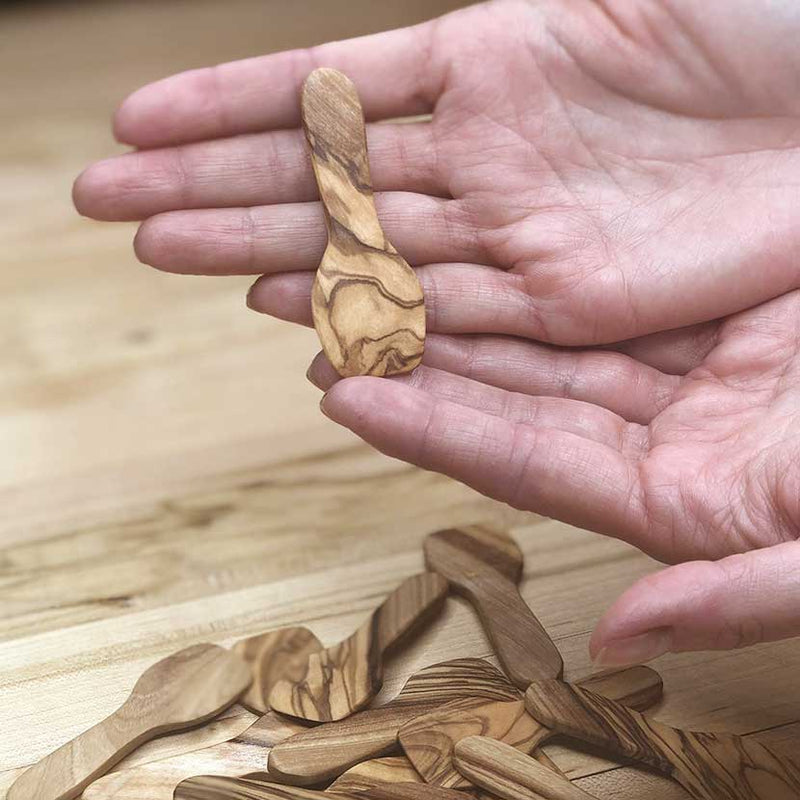
Hand-carved in Sfax, Tunisia · Retired olive trees
Olivewood Ritual ToolsOur spatula, spoon and applicator are carved by family workshops in Sfax from olive trees that no longer bear fruit. For every old tree, a new one ...
Nothing matches yet. Try another word.