


Nile Delta, Egypt · Cold-pressed liquid wax
Hoba Jojoba Oil: The Complete Guide
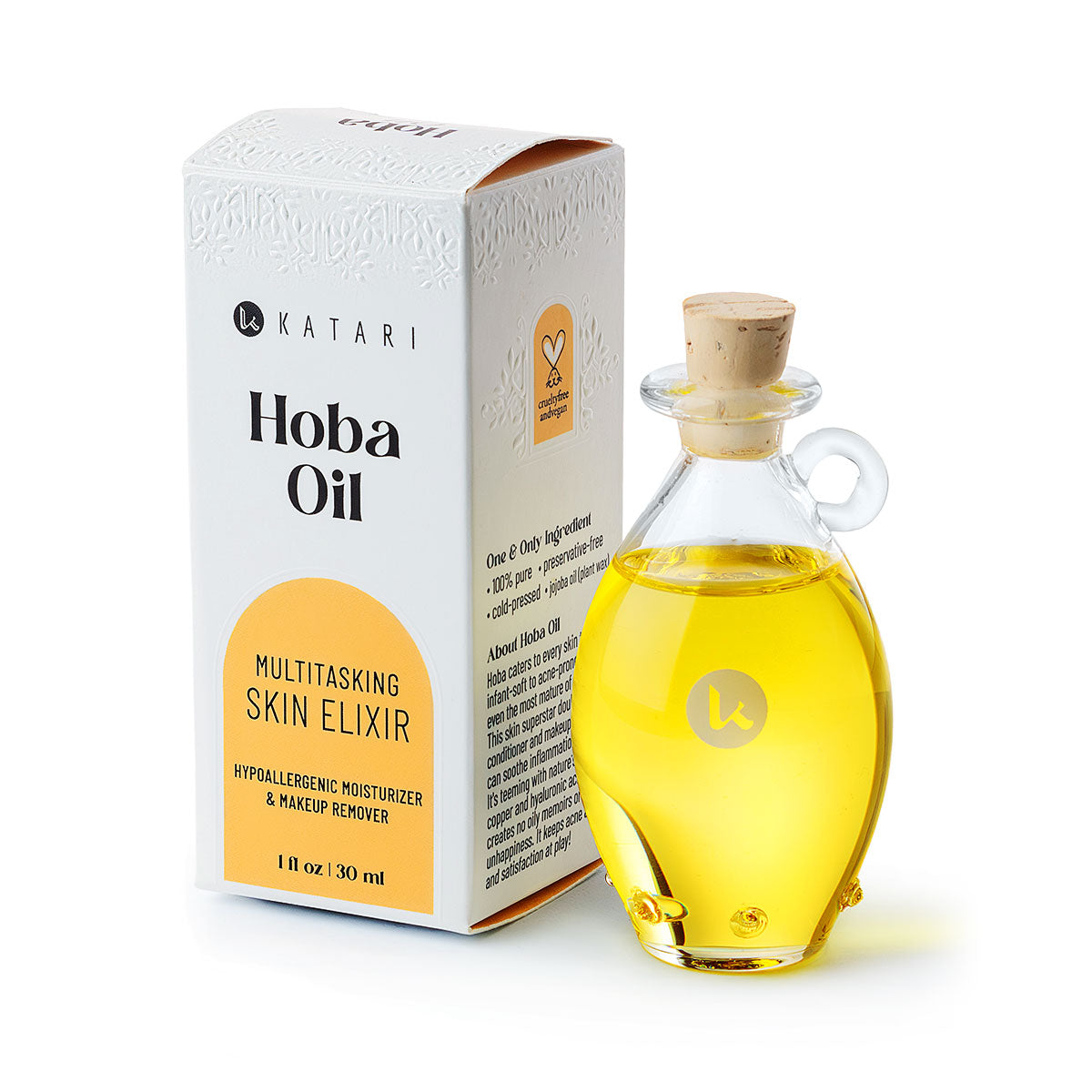
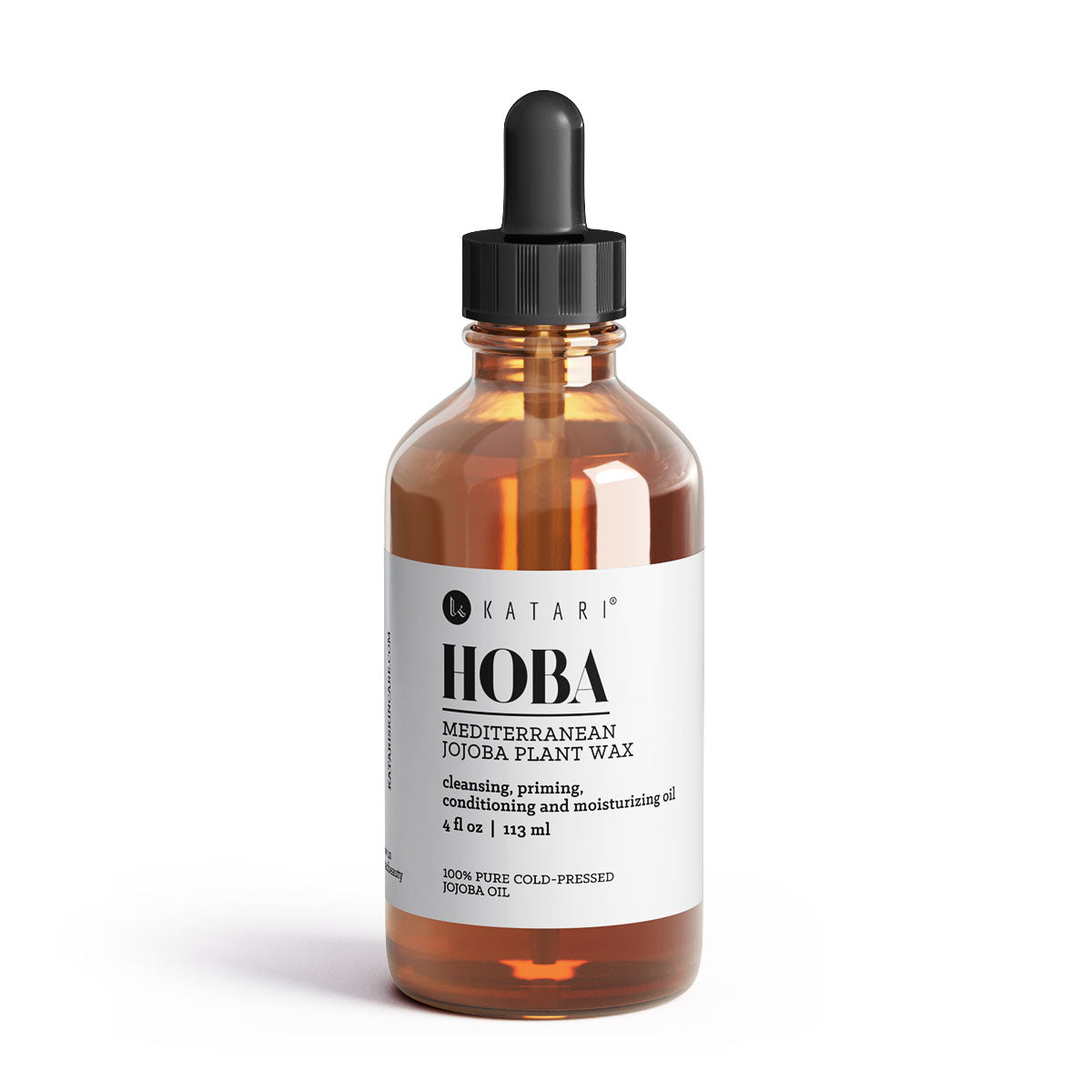
Hoba is pure jojoba, and technically not an oil at all. It is a liquid plant wax that closely resembles the sebum your own skin makes, which is why it can cleanse, moisturize and prime without clogging pores or leaving a greasy film.
- Ingredient (INCI)
- Simmondsia chinensis seed oil
- Origin
- Nile Delta, Egypt
- Method
- Cold-pressed, unrefined
- Texture
- Light, absorbs in 1-2 minutes
- Skin types
- All, including sensitive and oily
- Shelf life
- 2 years; best within 3-6 months

Free U.S. shipping over $75. Ships in 1-2 business days from Denver.
What It Does
- Balances oil production
- Softens and smooths skin
- Leaves a velvety, non-greasy finish
Texture & absorption:
Lightweight liquid wax. Absorbs in 1–2 minutes.
Aroma:
Very mild, neutral scent, suitable for all.
What It Is
Katari Hoba Oil is one of the most versatile, essential skincare staples you’ll ever own. Cold-pressed from jojoba seeds in Egypt, Hoba is technically a liquid wax that mimics the skin’s natural sebum, making it hypoallergenic, pH-balanced, and safe for even the most sensitive skin.
This lightweight, non-comedogenic oil is a gentle cleanser, makeup remover, moisturizer, and conditioner all in one. From newborns to sages, it’s a universal solution the entire family can trust.
Use Hoba to cleanse and hydrate your face, soothe baby’s delicate skin, condition hair and beards, or balance oily, blemish-prone skin without clogging pores.
Hoba isn’t just another oil, it is the foundation of slow beauty rituals. Simple, effective, and endlessly adaptable, this one product can replace a dozen others, helping you care for every skin type in your household.
What it is
Hoba is 100% cold-pressed jojoba from Egyptian farms in the Nile Delta. Nothing is added and nothing is refined out. Chemically it is a wax ester, not a triglyceride oil like olive or almond. That one difference explains almost everything people love about it: it feels light, it sinks in within a minute or two, it doesn't go rancid easily, and it works on nearly every skin type in the house, from babies to beards.
If you only own one Katari product, make it Hoba. It is a cleanser, a moisturizer, a makeup primer, a makeup remover, a hair and beard oil, and a carrier for everything else.
Where it comes from
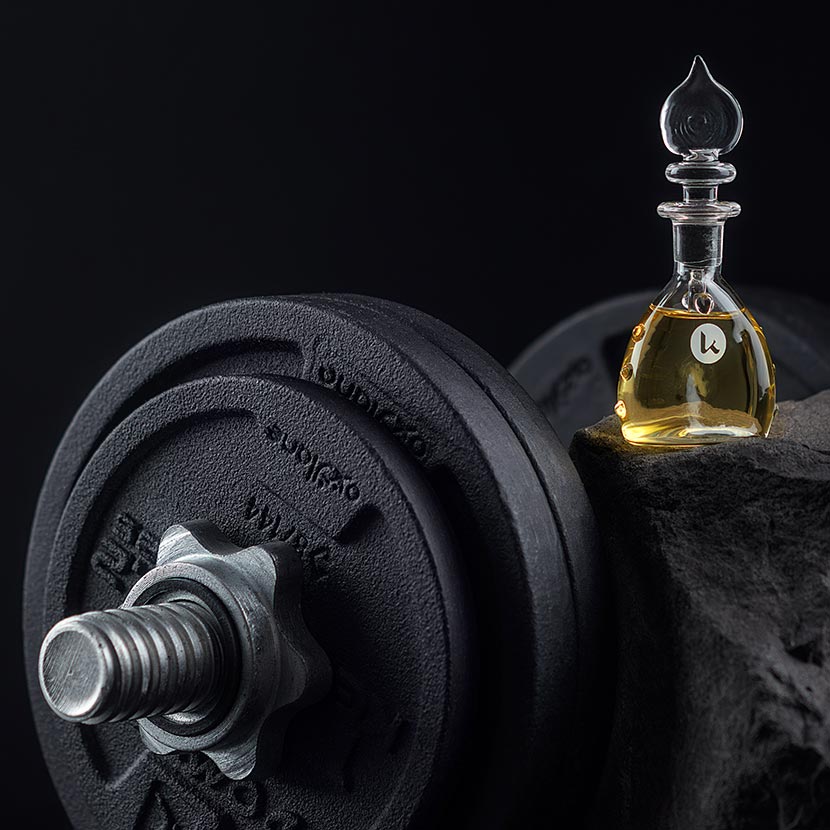
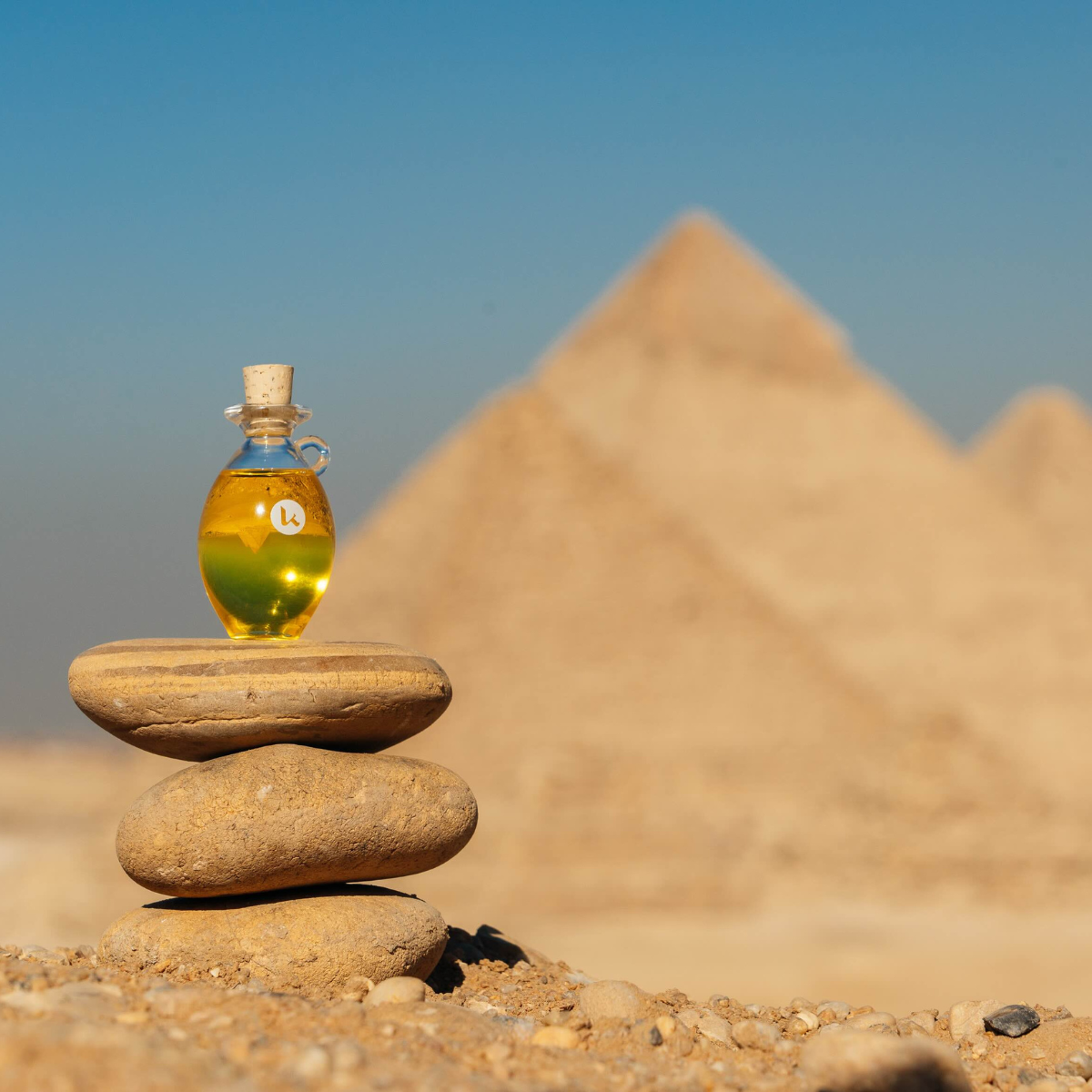
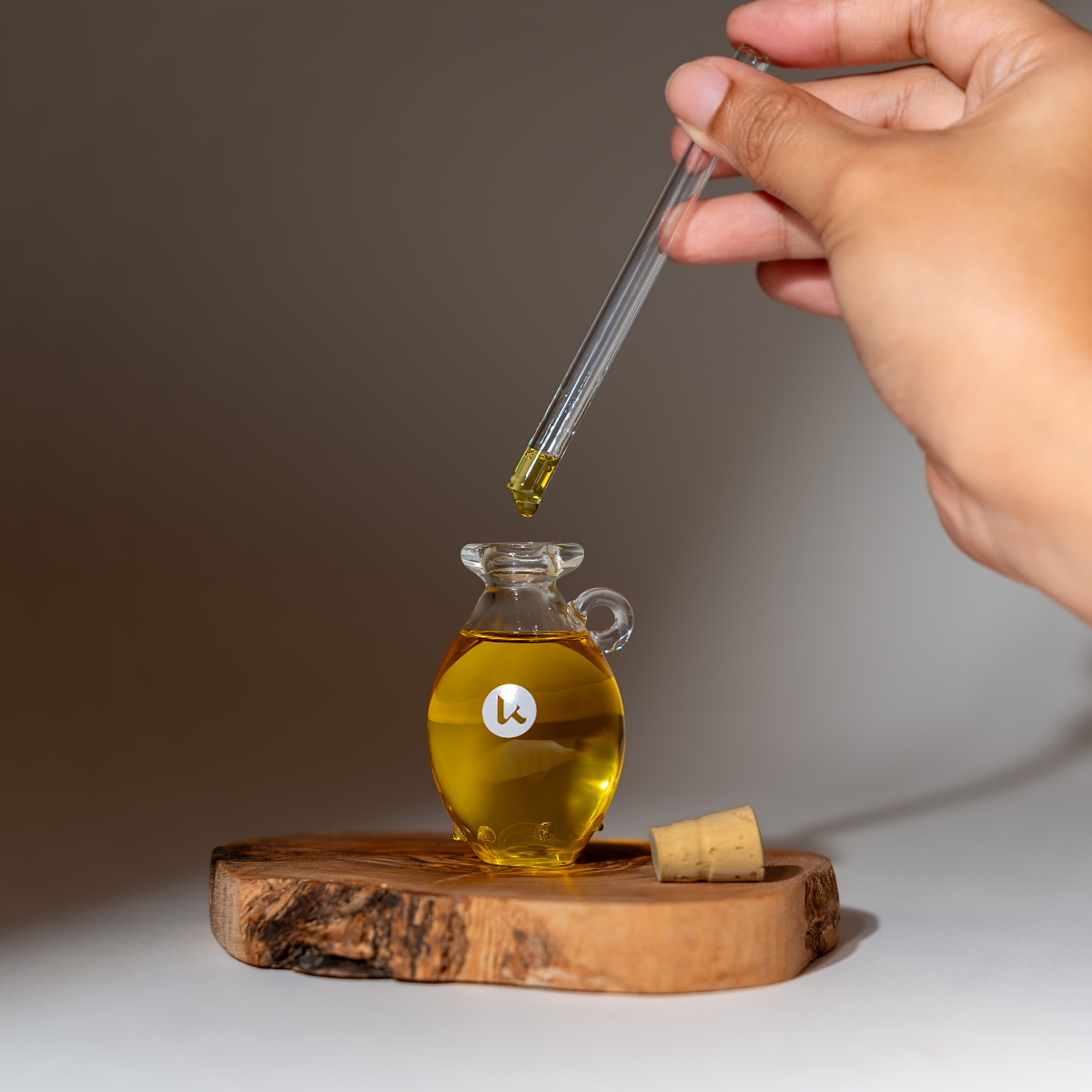
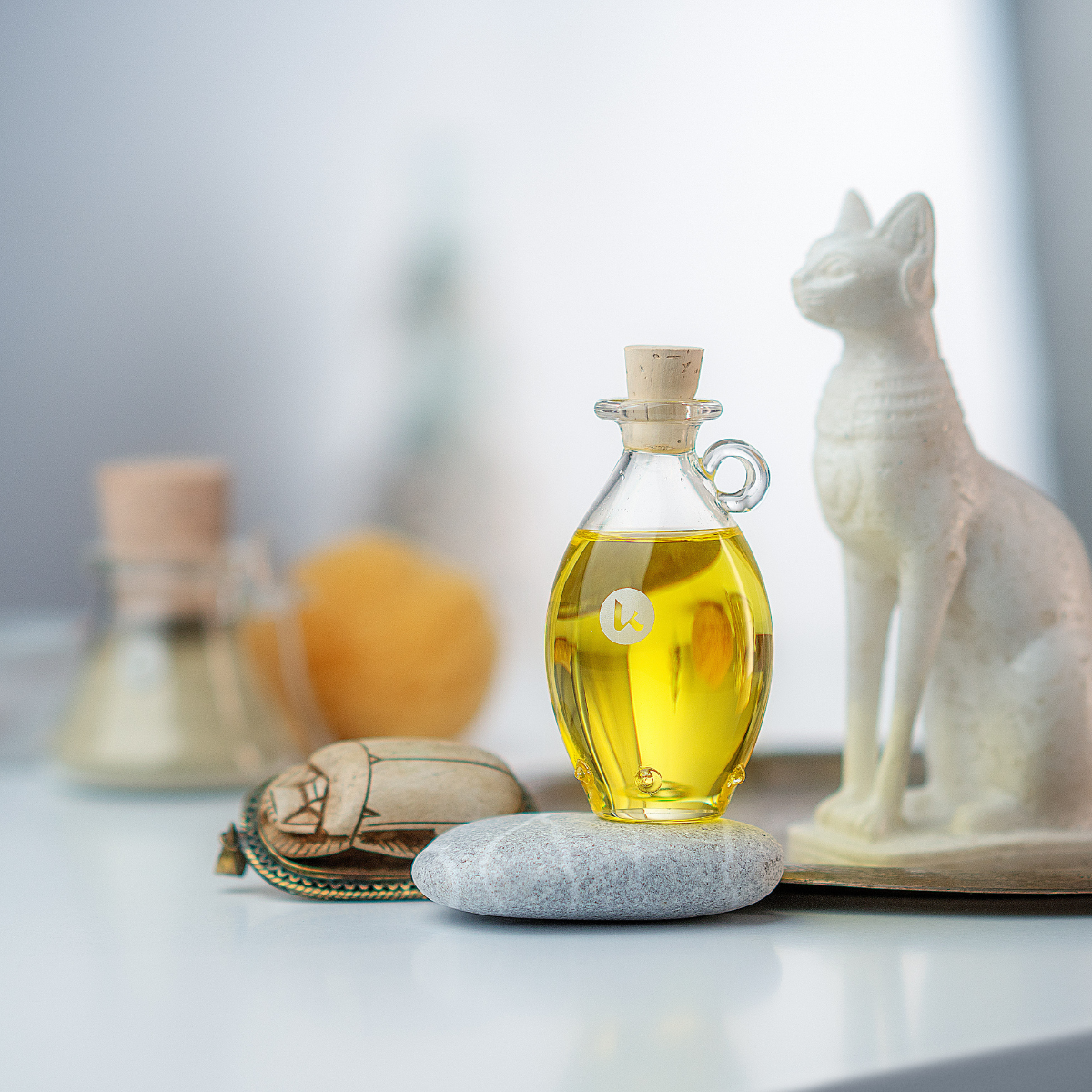
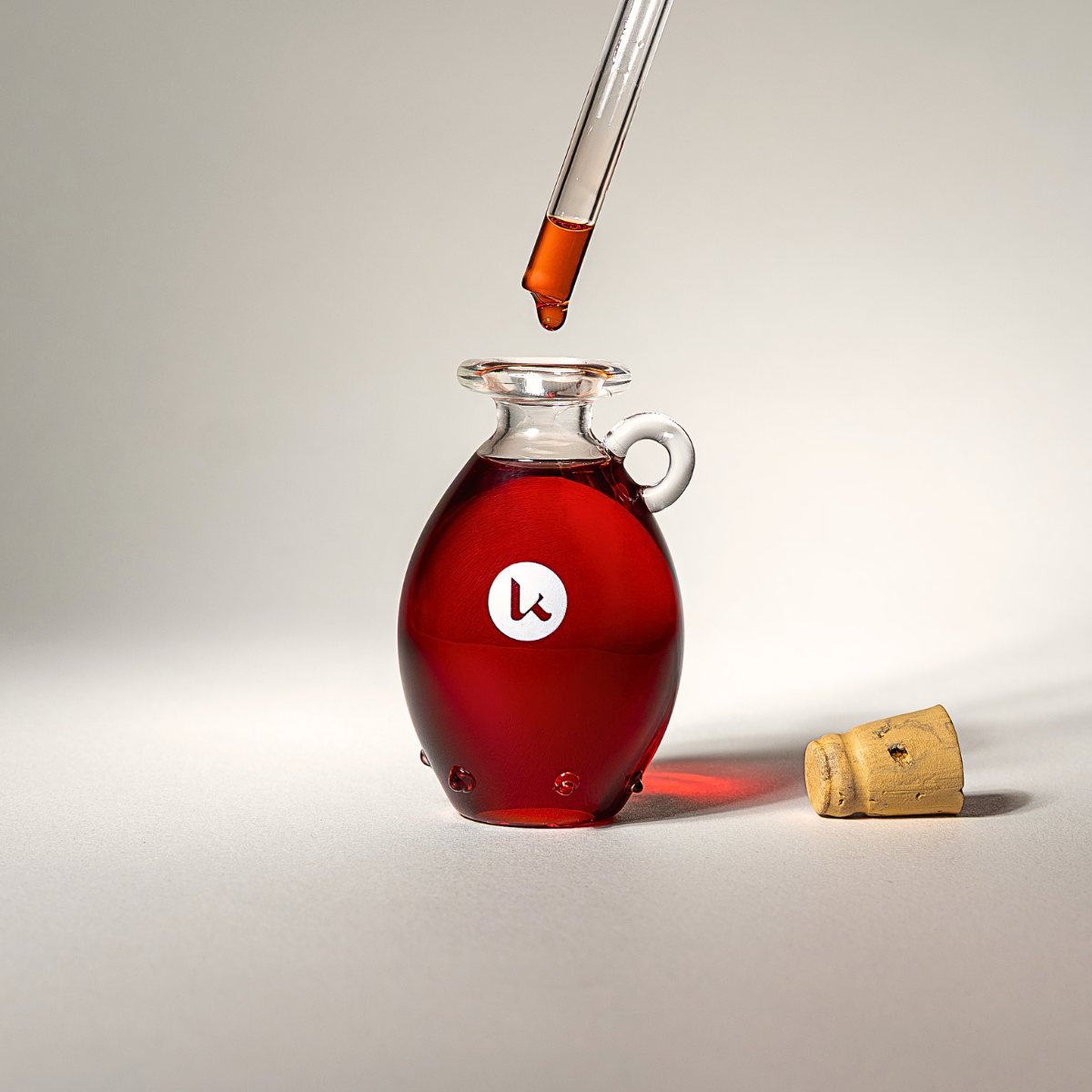
Our jojoba grows on a farm near Alexandria in the Nile Delta, where river sediment has fed the soil for thousands of years. It is pressed by Amr, our oil maker in Egypt, and his team, using a slow cold press that keeps the oil below the temperatures that strip out its natural compounds. We have walked the process from seed to bottle ourselves. It is bottled by hand in hand-blown glass, with a cork instead of plastic.
Read the story of how Kate met Amr and found our Hoba.

How to use it
The daily ritual
- Mist first. Spray Roseau or Géran (or splash plain water) onto clean skin. Oil on damp skin spreads further and seals the water in.
- Press in 2-3 drops. Warm them between your palms and press into face and neck. More is not better; add a drop only if skin still feels tight.
- Let it settle. Give it a minute before makeup or sunscreen. Hoba absorbs fast and leaves a soft, velvety finish.
Every other way to use it
- Oil cleanser and makeup remover. Massage a few drops over dry skin, including waterproof mascara, then wipe with a warm, damp cloth or sea sponge.
- Makeup primer. One or two drops on damp skin makes foundation glide on, especially on dry skin.
- Body moisturizer. Smooth over damp skin straight out of the shower, a few drops at a time.
- Hair and scalp. 1-2 drops for fine hair, more for textured hair. Work into damp ends, or into the scalp 10 minutes before washing.
- Beard and shave. Soften the beard after a hot shower; apply before shaving cream and again after.
- Hands, feet and cuticles. Apply generously, cover with cotton gloves or socks, and leave on for an hour or overnight.
- Lips. A dab any time, or mix with raw sugar for a quick lip scrub.
- Massage and carrier oil. Hoba carries essential oils beautifully and washes out of sheets.
The chemistry
Most plant oils are triglycerides. Jojoba is a long-chain wax ester, which is very close to the wax esters in human sebum. That is why it feels like skin rather than like a coating, and why it is so stable on the shelf.
| Component | Katari Hoba | Why it matters |
|---|---|---|
| Gadoleic acid (C20:1) | 53.7% | The signature jojoba fatty acid; gives Hoba its light, dry finish |
| Oleic acid (C18:1) | 20.65% | Softens and helps skin hold on to moisture |
| Erucic acid (C22:1) | 12.75% | Long-chain fatty acid that adds slip and stability |
| pH (lab reported) | 6.1 | Close to skin's natural range |
Lab analysis: Egyptian National Research Centre, 2026.
Who it's for
- Oily and breakout-prone skin that has been over-stripped and now over-produces oil. Hoba gives skin moisture without heaviness.
- Dry and mature skin as the base layer under Rubi or Barie.
- Sensitive skin that reacts to fragrance, preservatives and long ingredient lists.
- The whole household: babies, teens, beards and hands.
For professionals
Estheticians use Hoba as a massage medium, an oil-cleanse step, and a buffer for clay treatments. It is fragrance-free and pairs with nearly every other Katari product. For treatment rooms, Hoba is available in 32 oz refills and in our Spa Back Bar.
Storage and shelf life
Jojoba is one of the most stable plant ingredients there is. Hoba has a 2-year shelf life. Keep the cork closed and the bottle out of direct sun. For the freshest oil, we suggest enjoying it within 3-6 months of receiving it. It can turn cloudy or slightly solid in the cold; that is the wax doing what wax does, and it clears at room temperature.
Safety
For external use only. Patch test any new product: apply a little to your inner forearm once a day for two days. If you notice redness, itching or swelling, rinse with cool water and stop using it. Keep out of reach of children. If you are pregnant, nursing or under a doctor's care, check with your doctor first.
Questions
Will an oil break me out?
Hoba is a wax that resembles your own sebum and is widely considered low on the pore-clogging scale. Many customers with oily, breakout-prone skin use it daily. Start with 2 drops on damp skin.
Is Hoba the same as jojoba oil?
Yes. Hoba is our name for 100% pure, cold-pressed jojoba, with nothing added.
Can I use it on my baby?
Many parents do. It is fragrance-free and gentle. Patch test first and ask your pediatrician if your baby has a skin condition.
Why is my Hoba cloudy?
It got cold. Jojoba is a liquid wax and firms up below about 50°F. Let it sit at room temperature and it clears.
From the Journal
My Hoba Is Better Than Yours →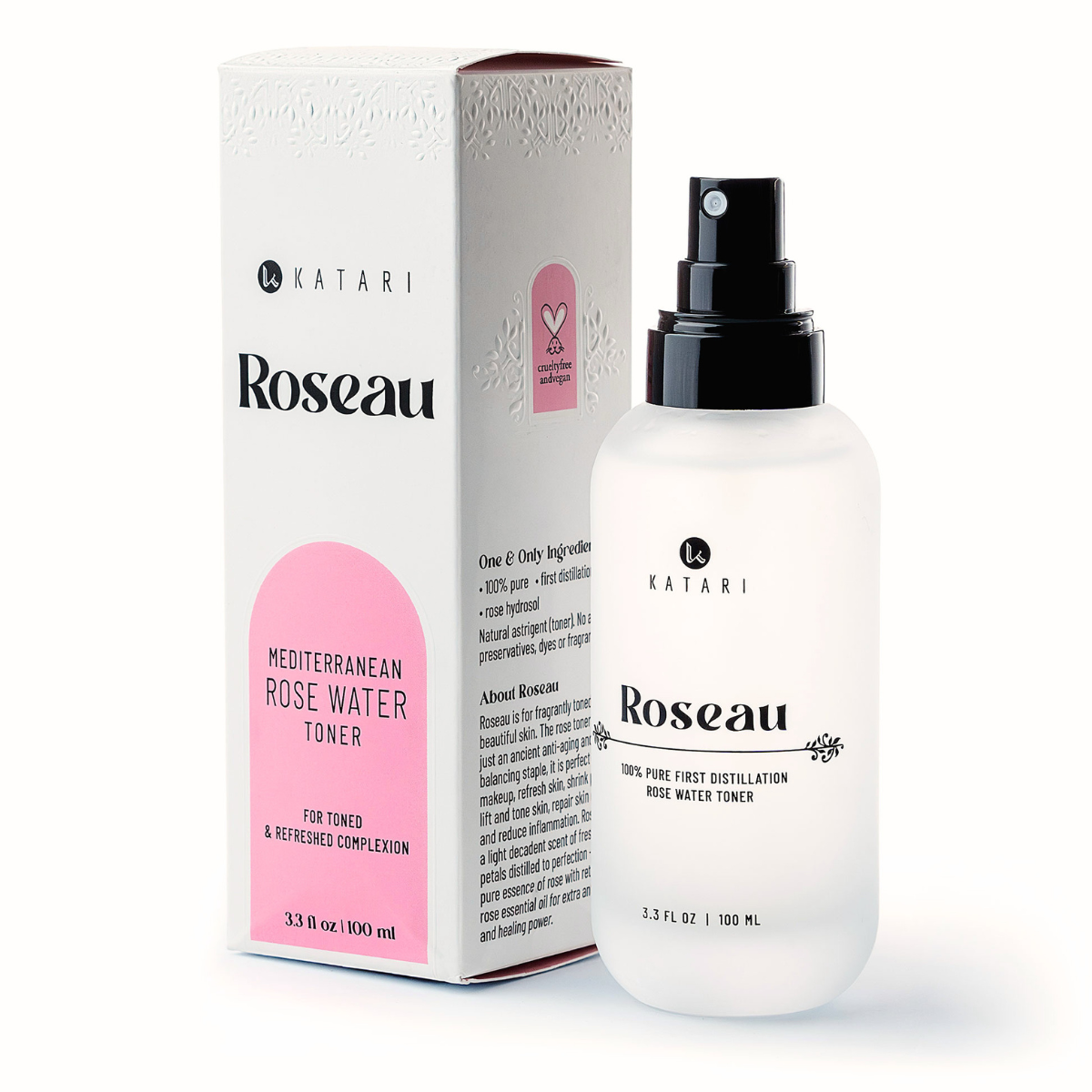
Hoba
€82,95+
What our customers say
4.95★ from 425 reviews
Marcia, LA celebrity esthetician
There are oils, and there are Katari oils
Marcia has prepared her famous clients for red-carpet events with Katari for years, and made Géran her signature scent.
Christina K.
The only skincare I'll ever buy
Katari Beauty is the definition of pure and quality… this is the ONLY skincare products that I will ever buy for the rest of my life.
Karni M.
THIS is my new favorite
Every time I buy a different oil from Katari, I say the same 2 things… “THIS is my new favorite” and “I want to take a bath in this.”
Maureen
Nothing like it
The lengths that they go to find the most amazing raw material and the handblown glass bottles is not like anything I have seen before.
Elizabeth B.
By far the best
I've tried multiple toners in the past and this is by far the best I've found… Katari Beauty is one of the best companies I've encountered in the industry.
Keep exploring
More from the Ingredient Library
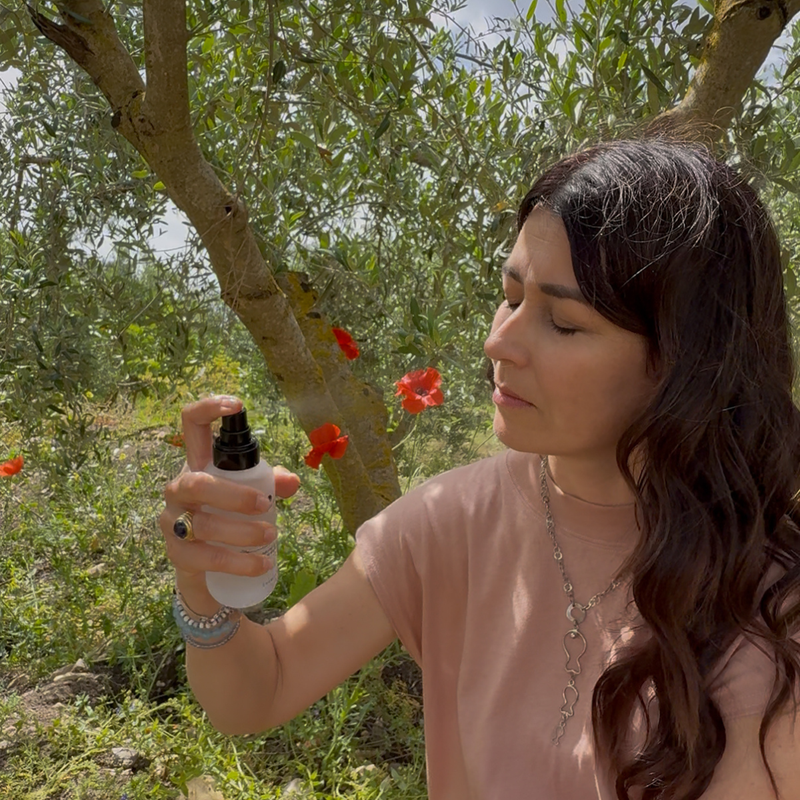
Béja, Tunisia · First distillation
Roseau · Rose WaterRoseau is pure rose water, distilled once a year from fresh Damask rose petals in Béja, Tunisia, with the rose's own oil left in. It is the fir...
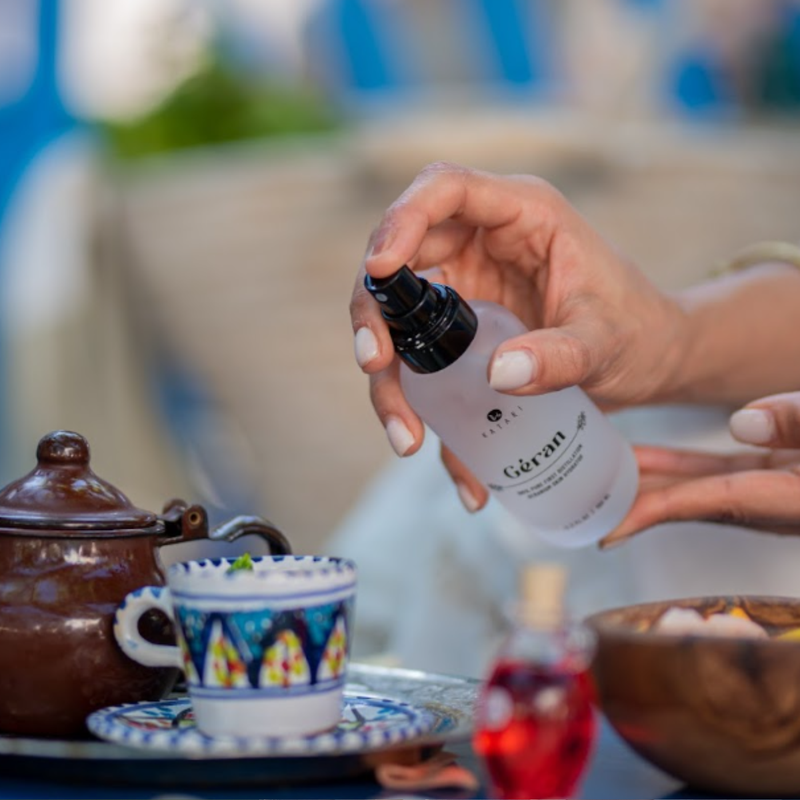
Béja, Tunisia · Wild geranium, first distillation
Géran · Geranium WaterGéran is pure geranium water, distilled from wild-grown geranium in northern Tunisia with the plant's own essential oil left in. Cooling, balan...
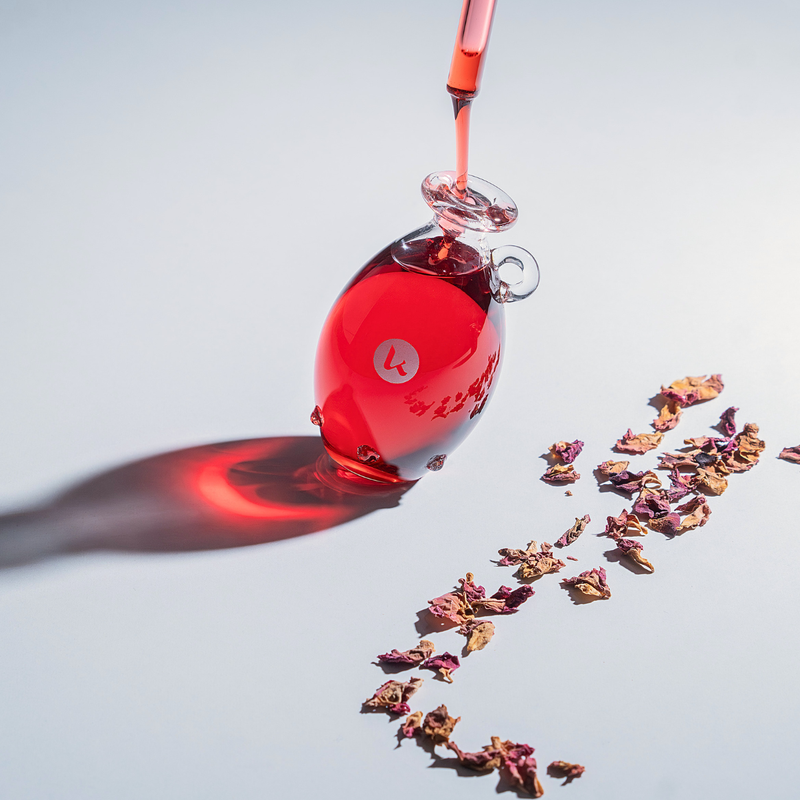
Egypt · Whole-bloom cold press
Rubi · Rosehip OilRubi is not the usual orange rosehip oil. Our makers press the dried buds and petals of the rose bush together with the seed, which gives it a deep...
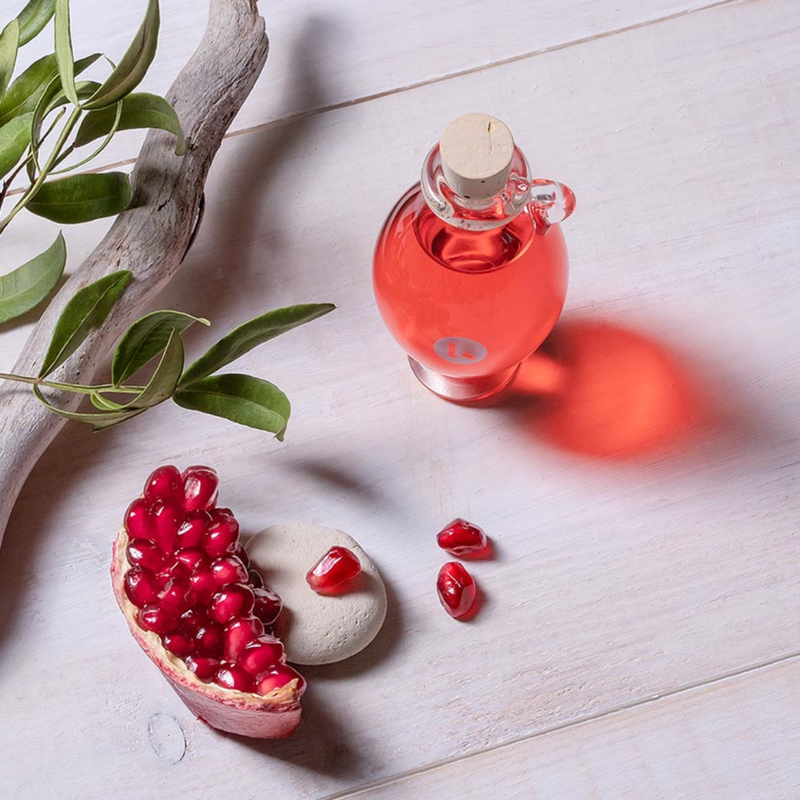
Nile Delta, Egypt · Whole-kernel cold press
Granate · Pomegranate Seed OilGranate is pomegranate seed oil made the old way: the whole kernel is dried, then cold-pressed, which is why it comes out soft pink. Rich in antiox...
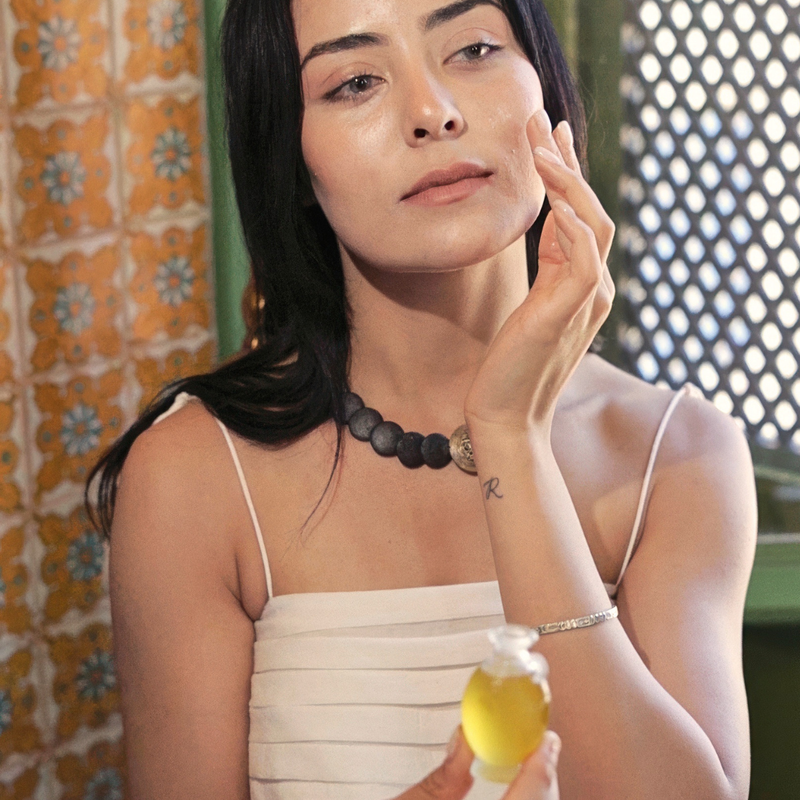
Wild cactus forests, Tunisia · Cold-pressed seed oil
Barie · Prickly Pear Seed OilBarie is pure prickly pear seed oil from wild cacti in Tunisia, one of the rarest oils in skincare. It takes about 66 pounds of tiny seeds to press...
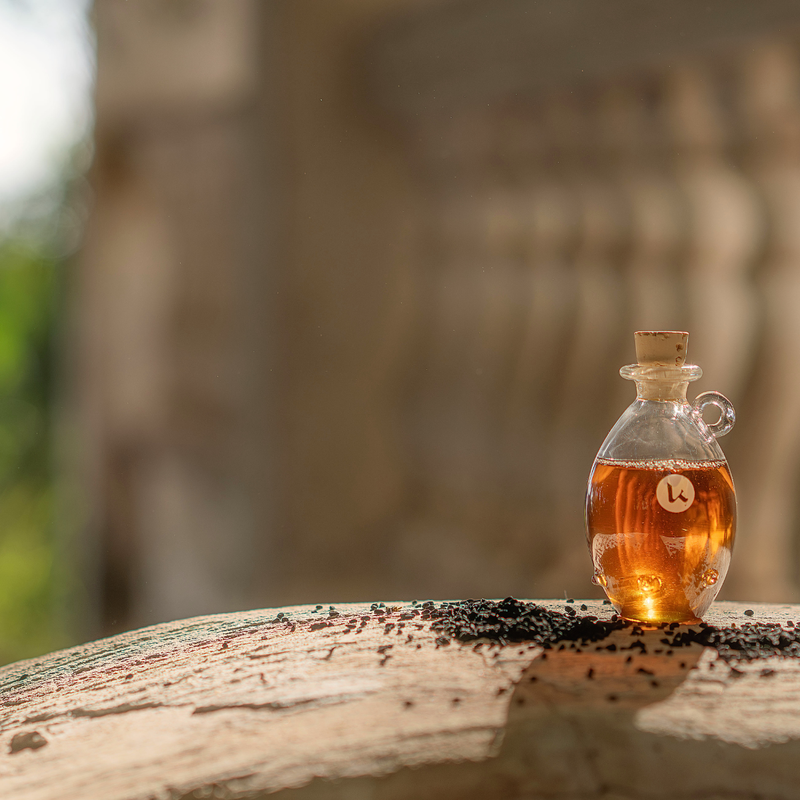
South of Aswan, Egypt · Cold-pressed
Black Seed OilBlack seed oil, pressed from the tiny black seeds of Nigella sativa, has been treasured along the Nile since the pharaohs; the seeds were even foun...
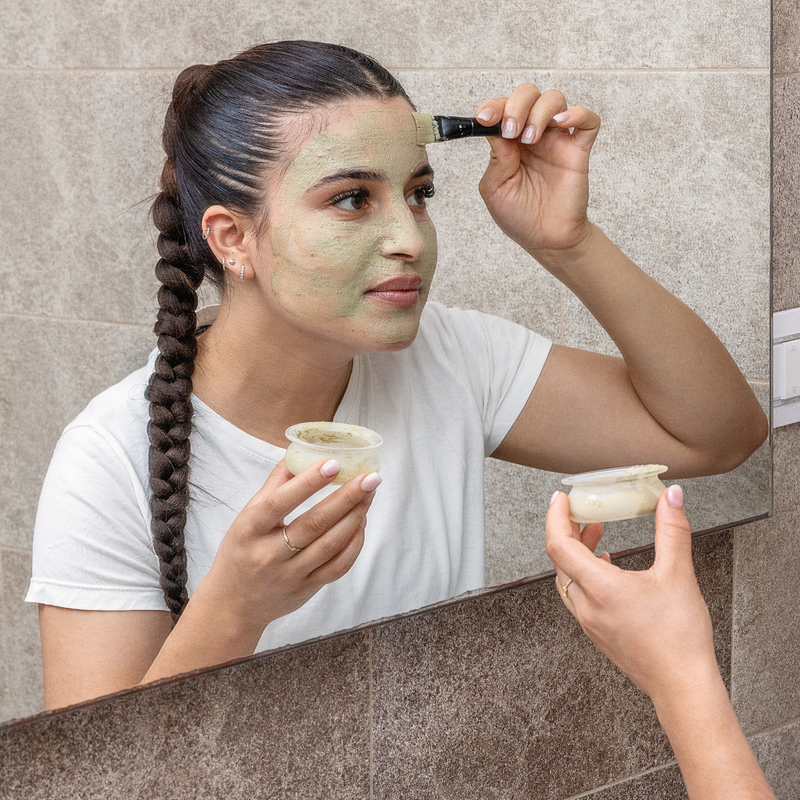
Central Tunisia, near Sbeitla · Hand-dug, sun-dried
Argil · Green ClayArgil is a primordial green clay dug by hand from an ancient seabed near Sbeitla in central Tunisia and dried only by the sun. It draws out impurit...
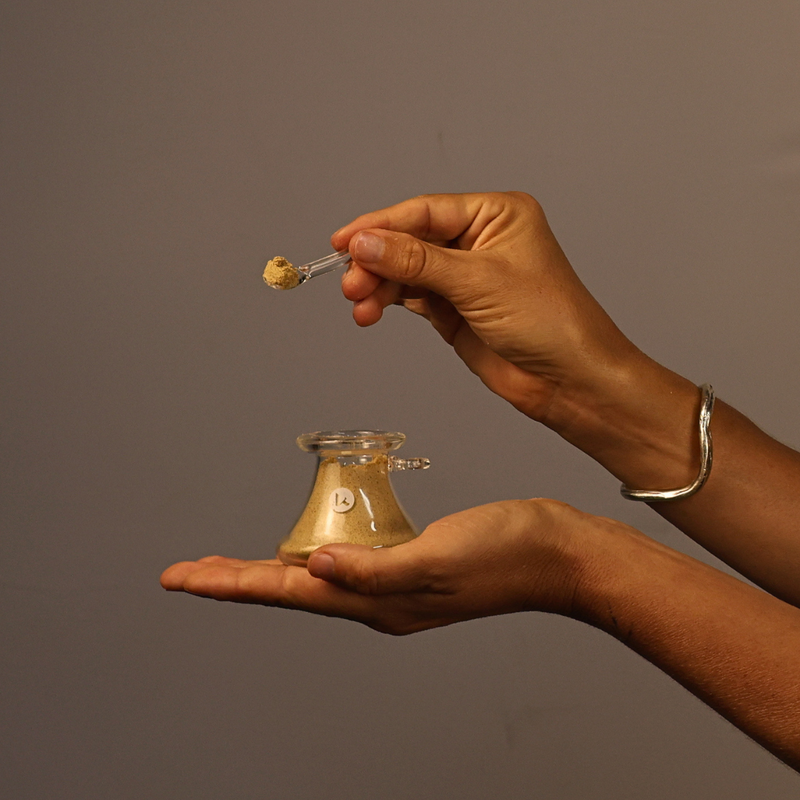
Tunisia · Milled prickly pear seed
Poudre de Barie · Seed ExfoliantPoudre de Barie is what remains after we press Barie oil: the prickly pear seed cores, still holding about half their oil, milled into a soft, flou...

Upper Egypt · Roasted-bean cold press
Black Castor OilBlack castor oil is the thick, dark, old-world version of castor oil: the beans are roasted before pressing. It conditions hair from the root, help...
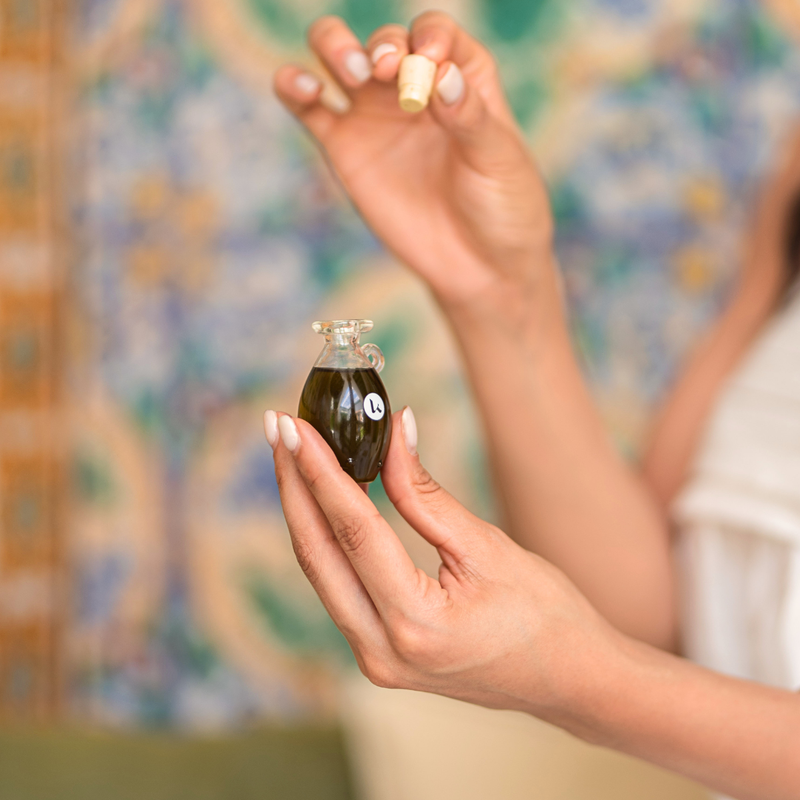
Nile Delta, Egypt · Pressed from dried leaves
Henna OilHenna Oil is the forest-green, grassy-smelling oil of the henna plant, pressed from dried leaves by Amr and his team in Egypt. It conditions the sc...
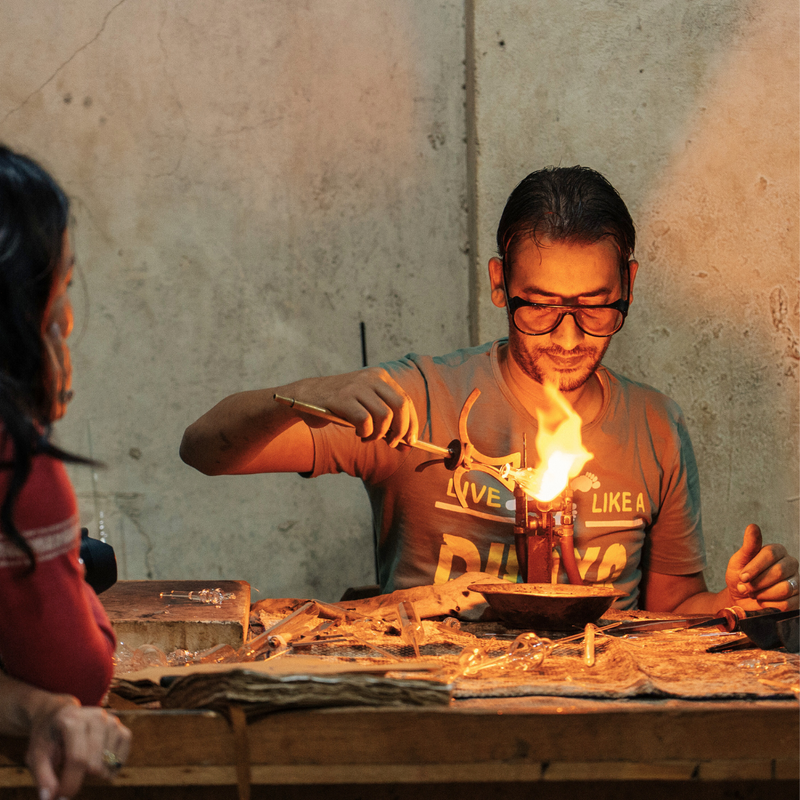
Hand-blown in Cairo · Borosilicate glass and cork
Hand-Blown Glass ApothecaryEvery jar, bottle, bowl and funnel we sell is shaped by breath and hand in a small Cairo workshop. Pure borosilicate glass and natural cork keep yo...
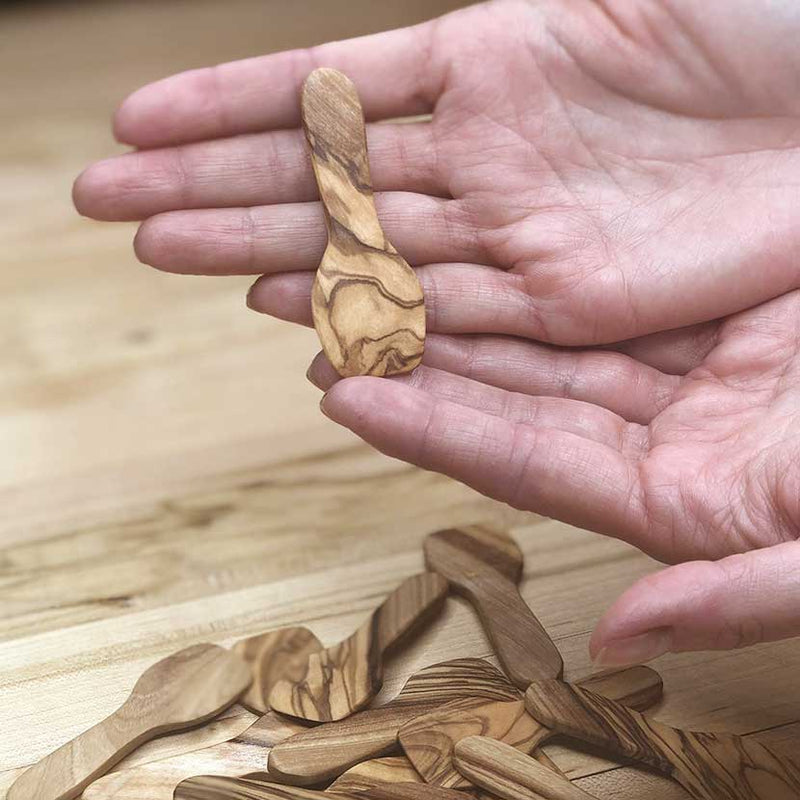
Hand-carved in Sfax, Tunisia · Retired olive trees
Olivewood Ritual ToolsOur spatula, spoon and applicator are carved by family workshops in Sfax from olive trees that no longer bear fruit. For every old tree, a new one ...
Nothing matches yet. Try another word.