

And why natural products aren’t always what we have been trained to expect.

If you’ve ever opened a bottle of fresh olive oil, walked into a working apothecary, or stood near a steam distillation in a village workshop, you know this truth:
Real, fresh botanical products have a presence.
They smell.
They change.
They feel alive.
At Katari, we work with undiluted, freshly pressed, single-ingredient oils and flower waters. That means our products don’t behave like mass-market skincare and they are not meant to.
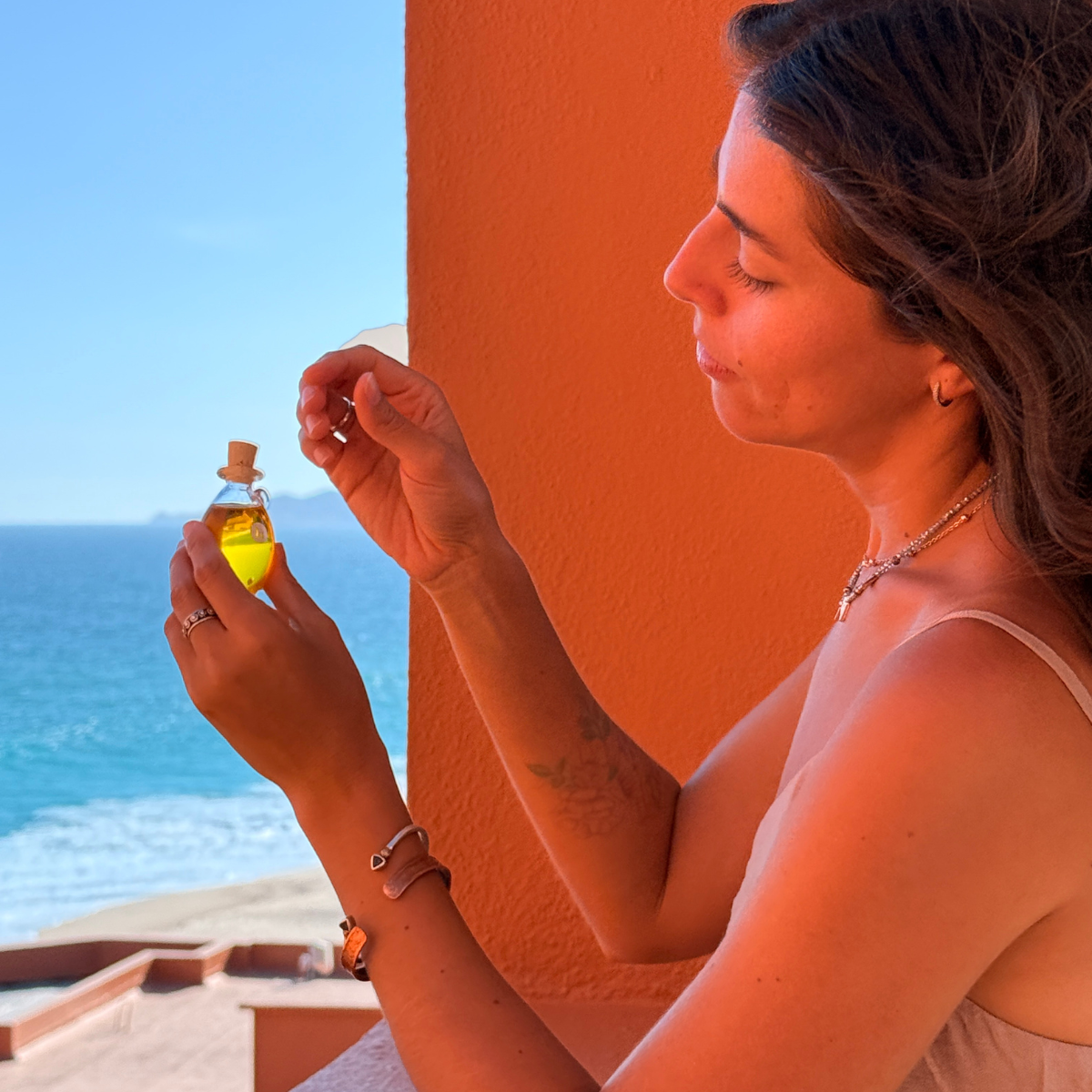
I would love to share what it means to have a real oil in your hands and on your skin.
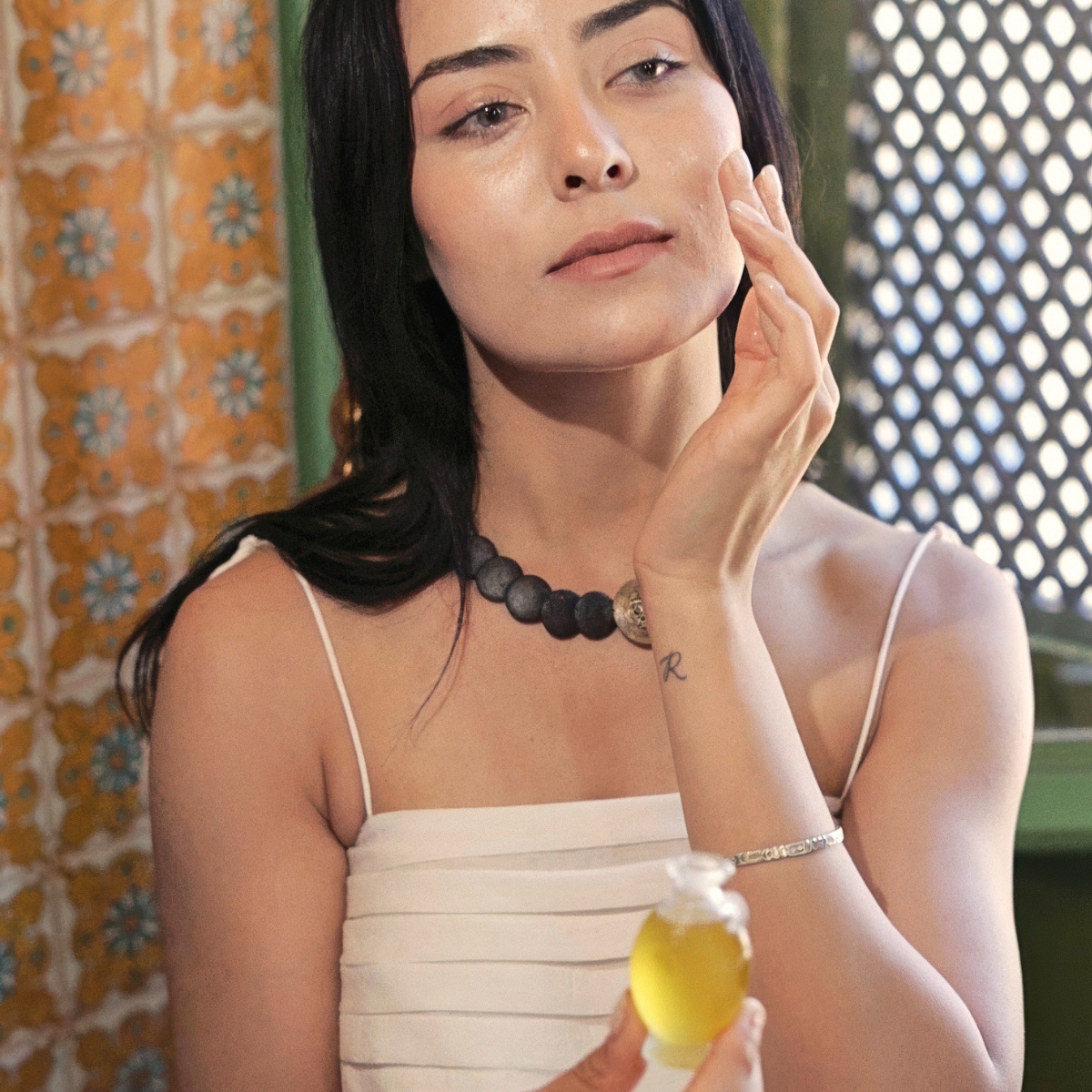
Here is a little tutorial about my favorite daily oil.
1. Why Natural Oils Smell “Strong” (And Why That’s a Good Thing)
Through commercialized and mass-produced products many of us have been conditioned to believe that skincare should smell:
- neutral
- faint
- sweet
- or perfumed
But that expectation comes from processing, dilution, and deodorization and not from nature.

What you’re actually smelling in Katari oils:
- the seed itself
- the fatty acid profile
- the freshness of the press
- the volatile compounds that fade quickly after application

For example:
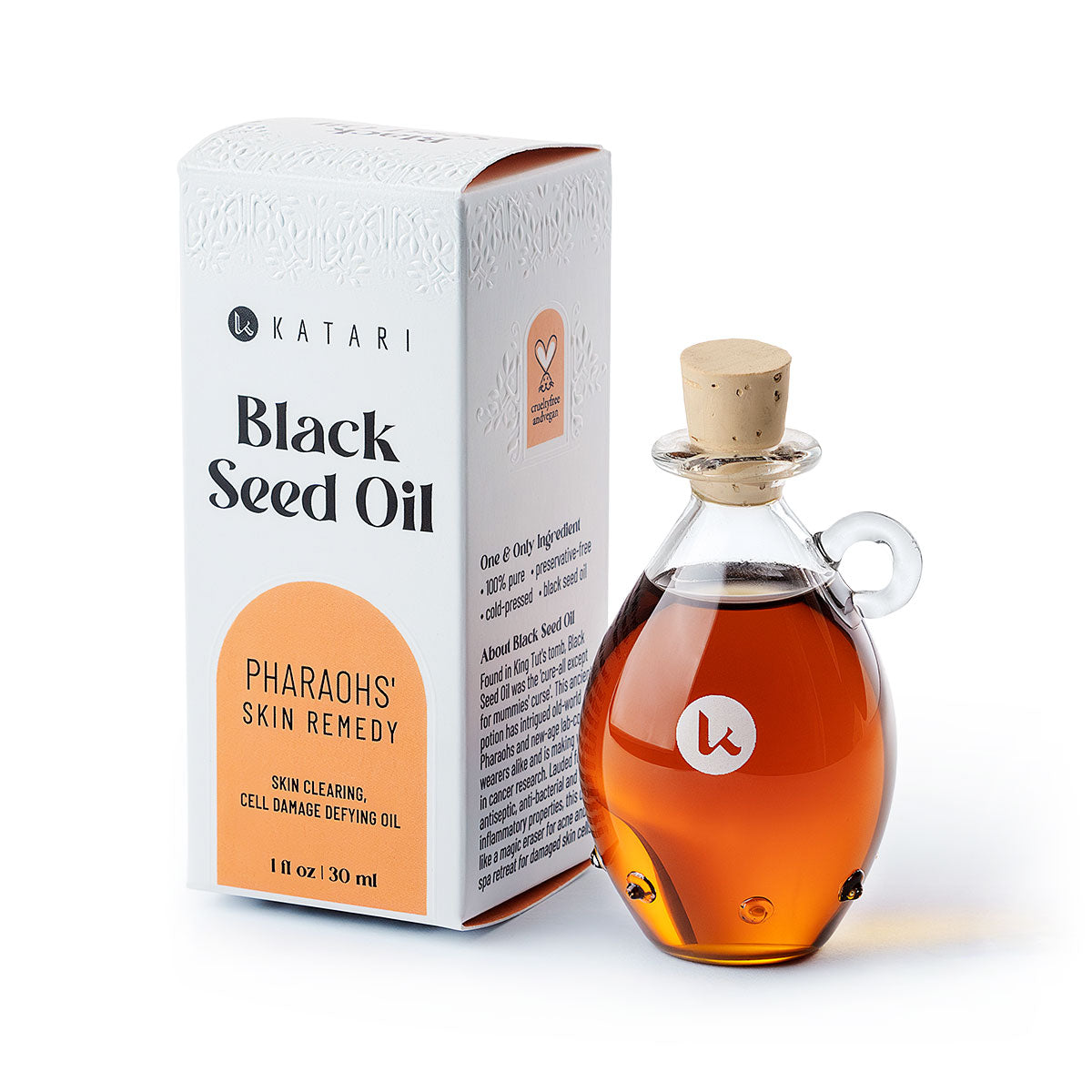
Black Seed Oil
Earthy. Medicinal. Peppery.
That scent comes from thymoquinone, the compound responsible for many of its skin-restoring and calming properties.
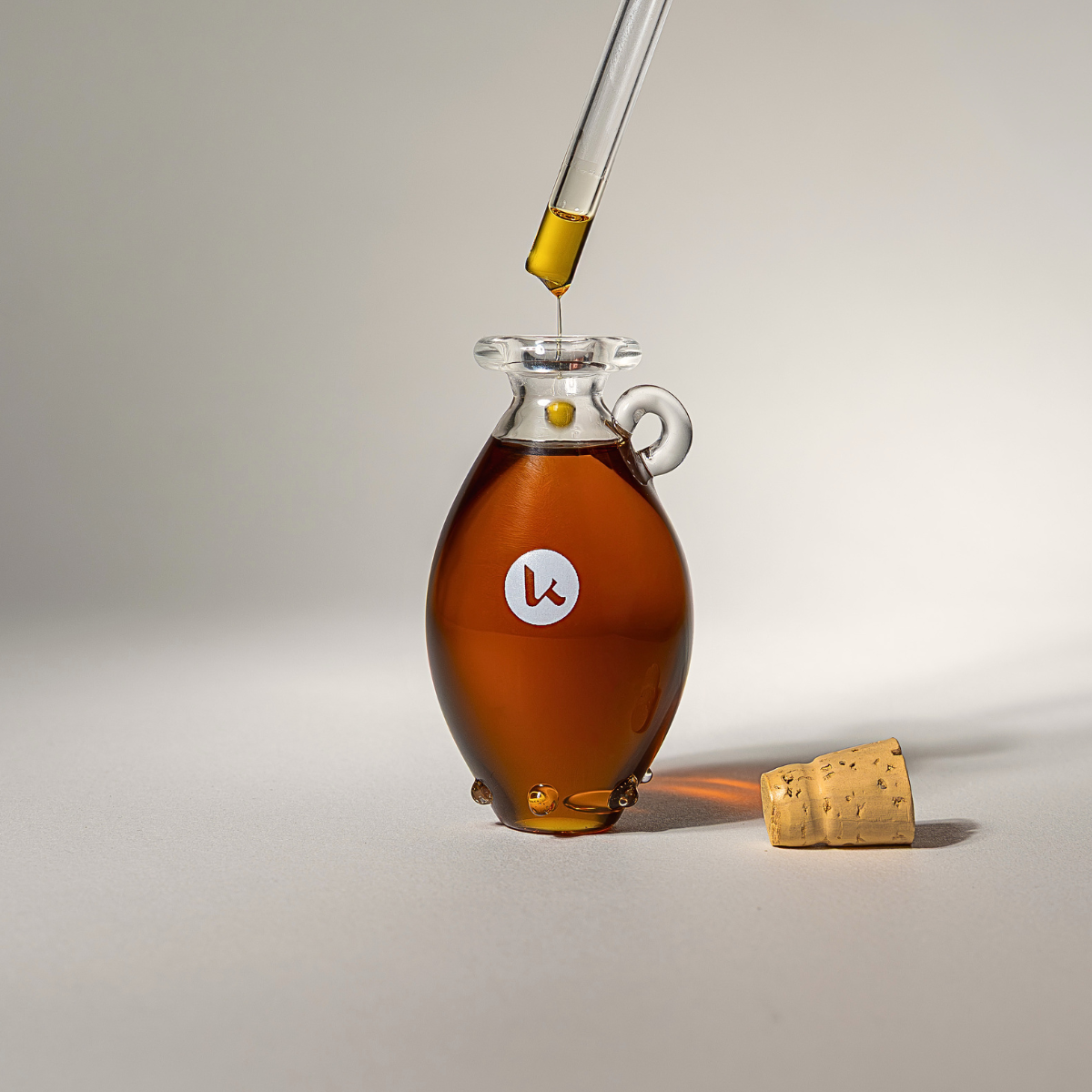
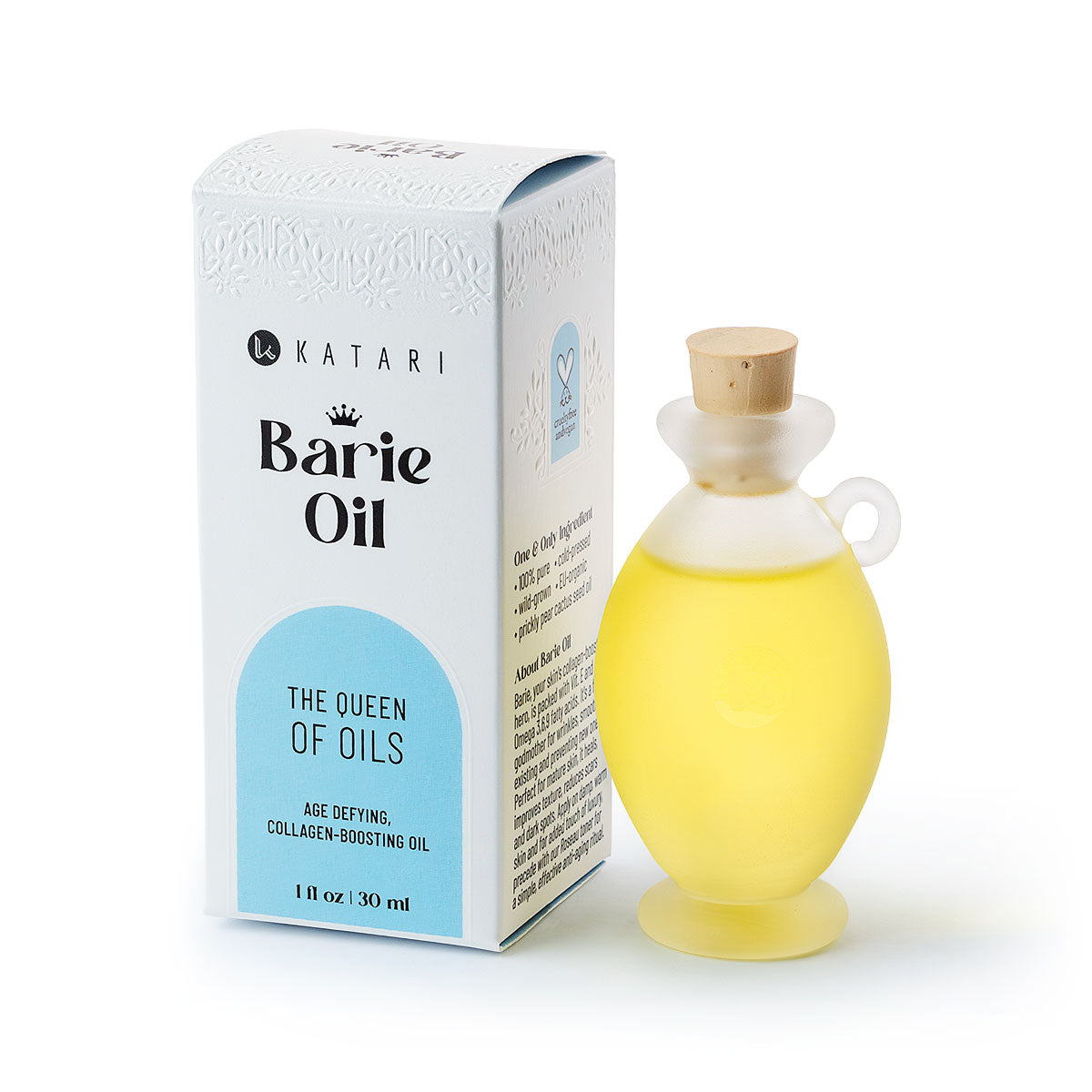
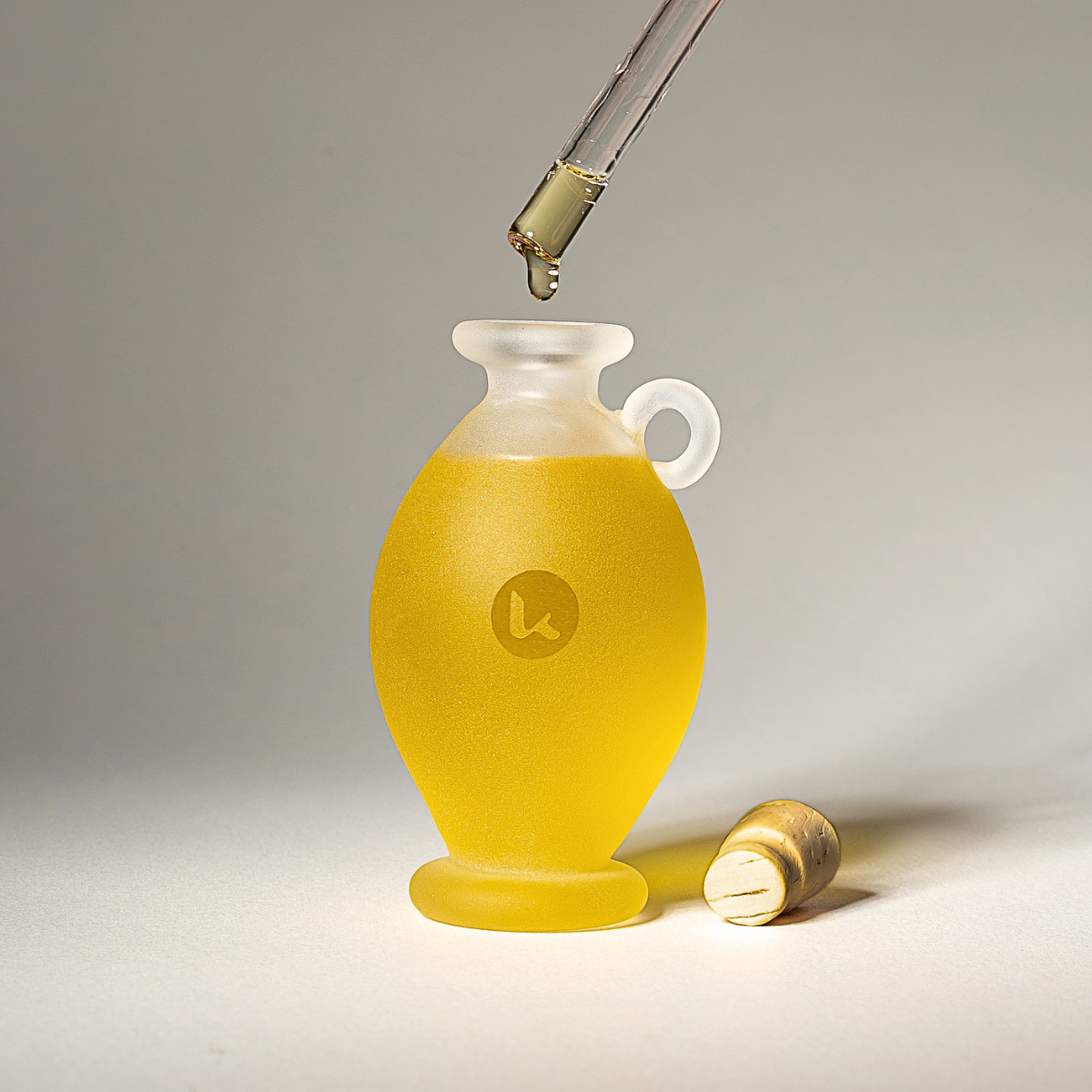
Prickly Pear Seed Oil (Barie)
Green. Nutty. Slightly grassy. It is a heavier scent but if you love Barie, you come to love it. That aroma is a sign of extreme freshness.
Products using a fraction of this oil (if you ever even get to a seeing this oil in pure form) are often deodorized or blended to hide the scent. We don't. We welcome the scent.

If an oil has no scent at all, it is often:
- refined
- deodorized
- diluted
- or stripped of beneficial compounds
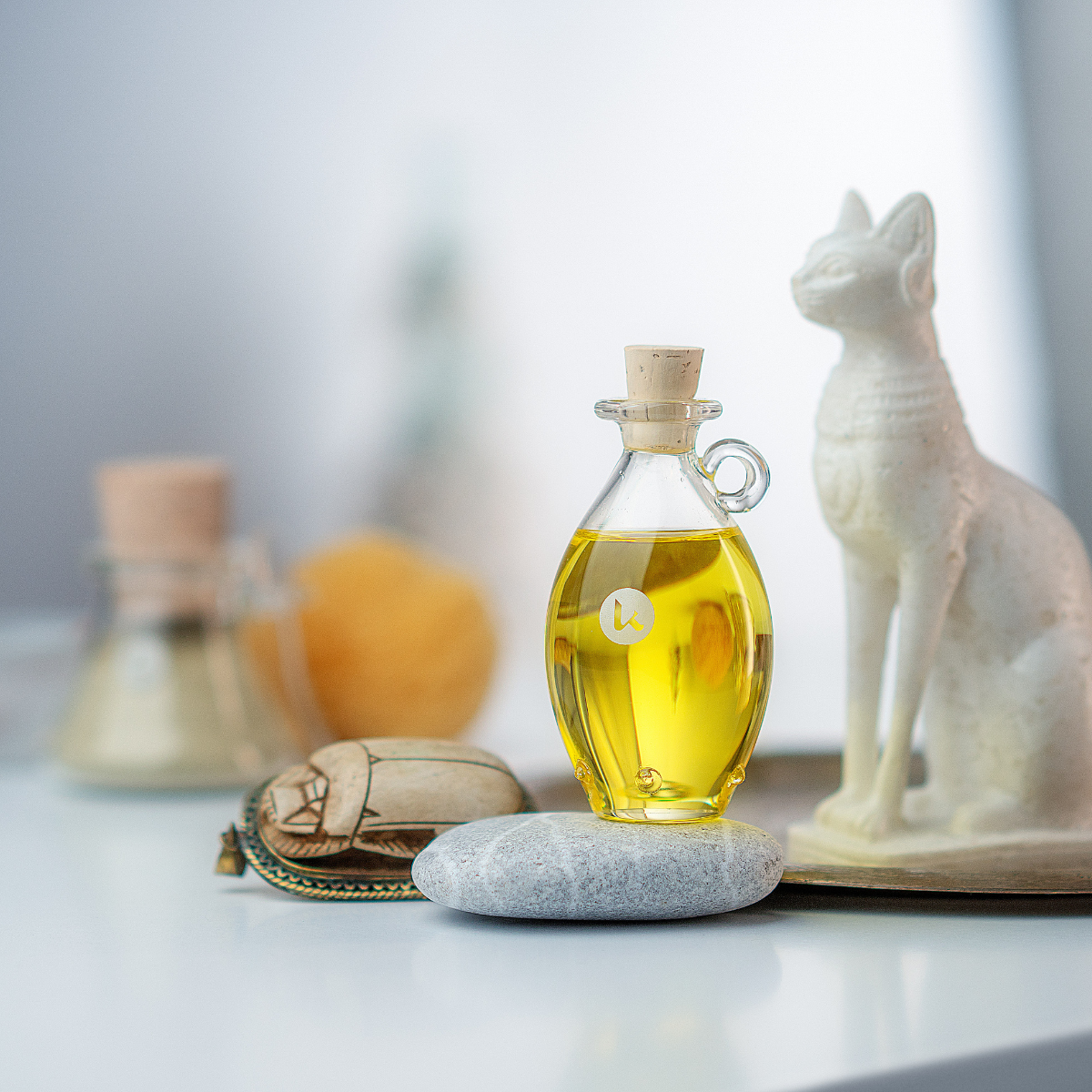
This is of course, apart from oils like Hoba or Jojoba that naturally have pretty light or almost no scent.
2. How fast do oils absorb?
Another common misunderstanding is the idea of instant absorption.
Many commercial oils are modified to:
- sink in immediately
- feel dry
- leave no trace
But skin doesn’t actually work that way. Real absorption looks like:
- a brief sheen
- warmth as the oil interacts with your skin
- gradual softening over 10–20 minutes
- deeper absorption when applied to damp skin
Katari oils are whole oils, not fractionated, not silicone-blended, not thinned out.

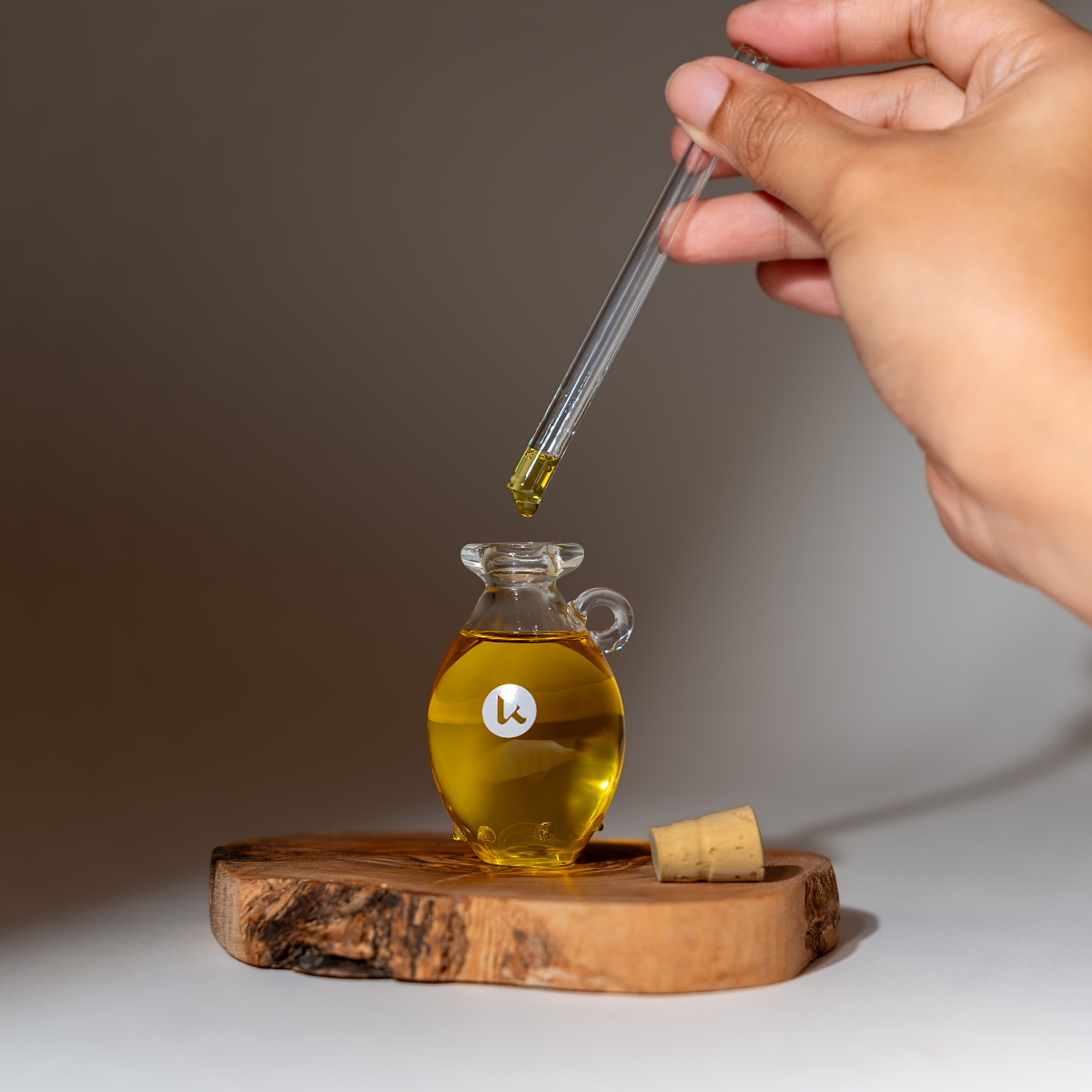
💡 Pro tip: Apply 2–3 drops to slightly damp skin (after a flower water or washing). Massage slowly. Let your skin do the work. Instant “disappearing” is often a cosmetic trick not nourishment.
3. Why Our Perfume Oils Are Different (and Very Concentrated)
Did you know that pretty much all perfumes unless they are oil perfumes have at least 80% alcohol and 20% or less essential oils? Our perfume oils are not diluted in alcohol. So 0% alcohol and 100% essential oils. Which means they are:
- pure fragrance concentrates
- oil-based
- designed to evolve slowly on the skin
That means:
- one small drop is enough
- the opening can feel intense
- the scent softens and changes over time
This is how perfume was worn for centuries: personal, intimate, and alive, not cloud-like and fleeting.
If you are used to mass perfumes, oil perfumes can feel surprising at first, but they are meant to be worn close, not announced.

4. Natural Products Are Not Identical — and That’s the Point
One of the biggest differences between artisanal and industrial skincare is consistency. Industrial brands engineer sameness. Nature does not.
Why scents vary:
- rainfall
- temperature
- harvest timing
- plant maturity
- distillation length
- water mineral content
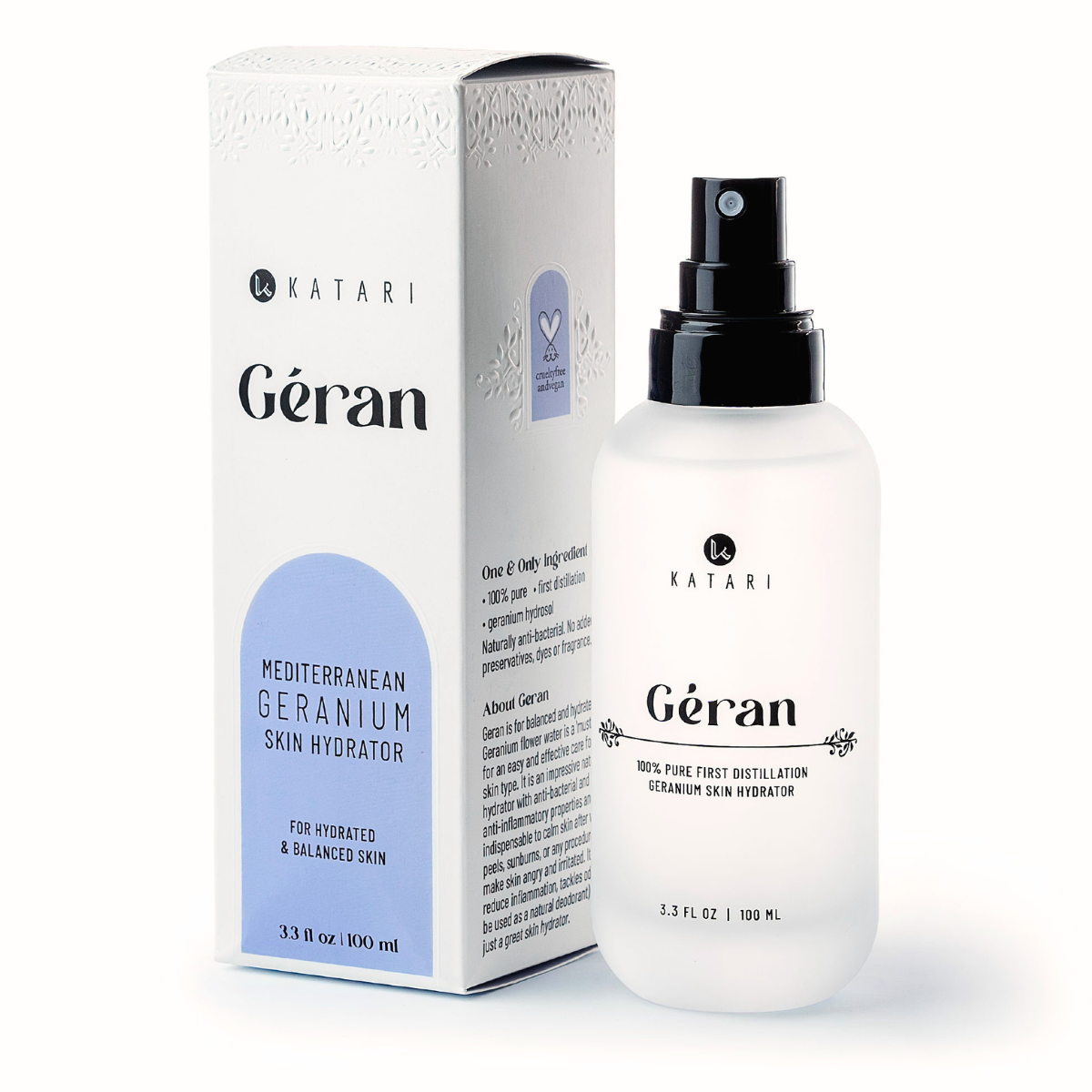
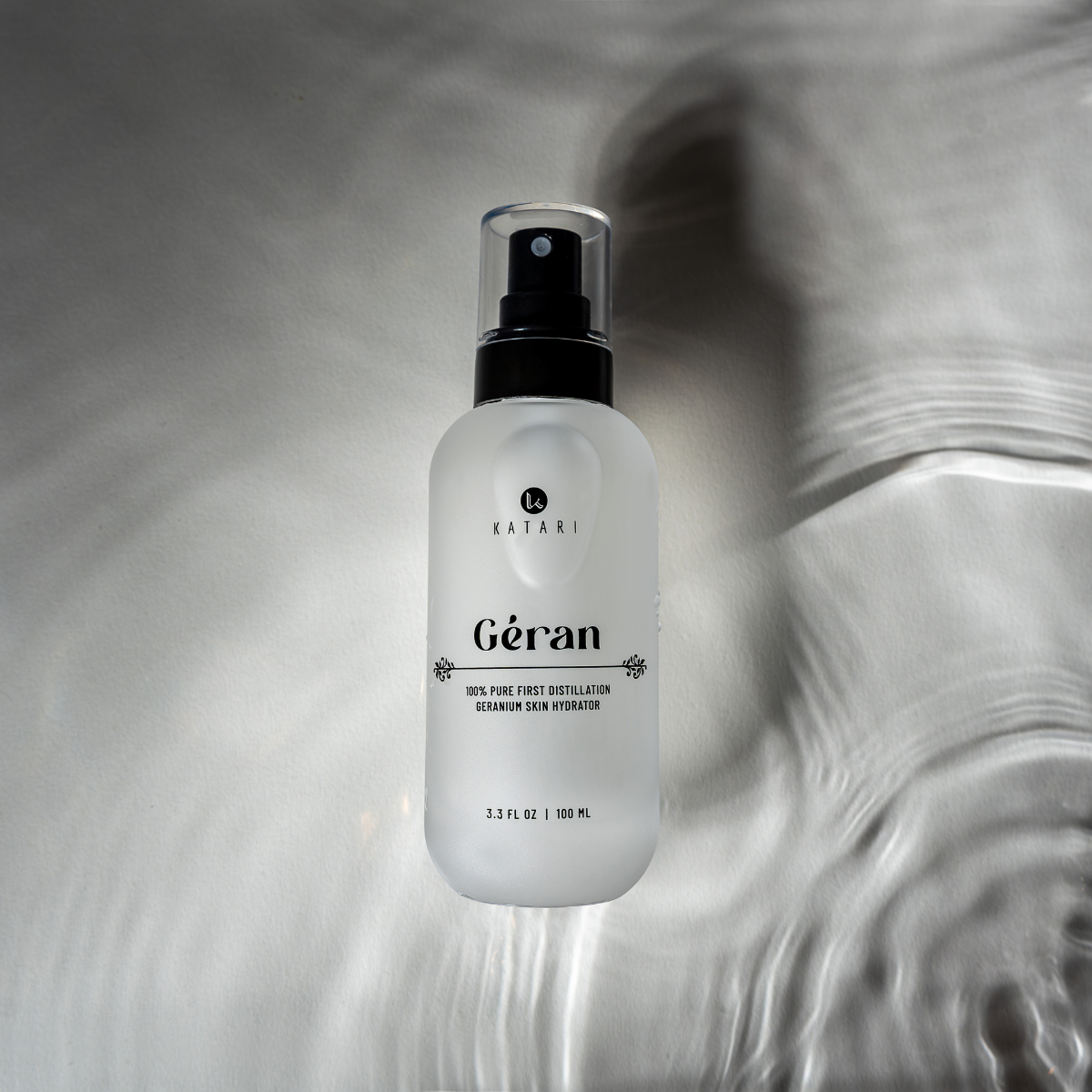
This is especially true for geranium flower water. I had to learn this the hard way by asking this question: why is our rose water pretty much always smells similar (close enough) but geranium varies even from jug to jug from the same artisan and the same harvest.

Rose (especially Rosa damascena) has a naturally dominant, stable set of compounds like citronellol, geraniol, and phenethyl alcohol that remain relatively consistent season after season.
Geranium, however, contains over 80+ volatile compounds that fluctuate based on:
- leaf/stem ratio
- morning vs afternoon harvest
- soil minerals
- sun exposure
- rainfall
- temperature swings
- distillation time
- how long the plant material rested before distillation
- whether the plant was stressed or watered recently
This means: even a small shift in weather or timing changes the dominance of certain aromatic molecules, making some batches smell:
- more floral
- more herbaceous
- more “green”
- more rosy
- more earthy
At Katari, we choose not to standardize or perfume geranium water, because doing so would mean removing what makes it alive and unique and artisanal. But the benefits regardless of the crop and scent remain...
Watch our geranium flower water being distilled in Tunisia.
5. Freshness Isn’t Always “Pretty,” But It Works
Fresh oils can smell:
- earthy
- green
- medicinal
- intense at first
That doesn’t mean they’re bad. It means they’re doing something.
Sometimes we hear: “At first I wasn’t sure… and then my skin changed.”
That’s often the moment when expectations shift from cosmetic pleasure to skin intelligence.

6. How to Know If a Natural Product Is Right for You
Katari may not be the right brand if you want:
- fragrance-free oils with no scent
- instant dry-down
- identical smell every time
- products that behave like lotions or serums
Katari is right for you if you want:
- real plants
- real variation
- real results
- minimal processing
- ingredients that feel alive

7. Oils, asthma, allergies & personal sensitivities
Katari products are undiluted and naturally aromatic.
If you are sensitive to scent or have asthma, migraines, or fragrance sensitivities, we recommend patch testing first or choosing our mildest options.
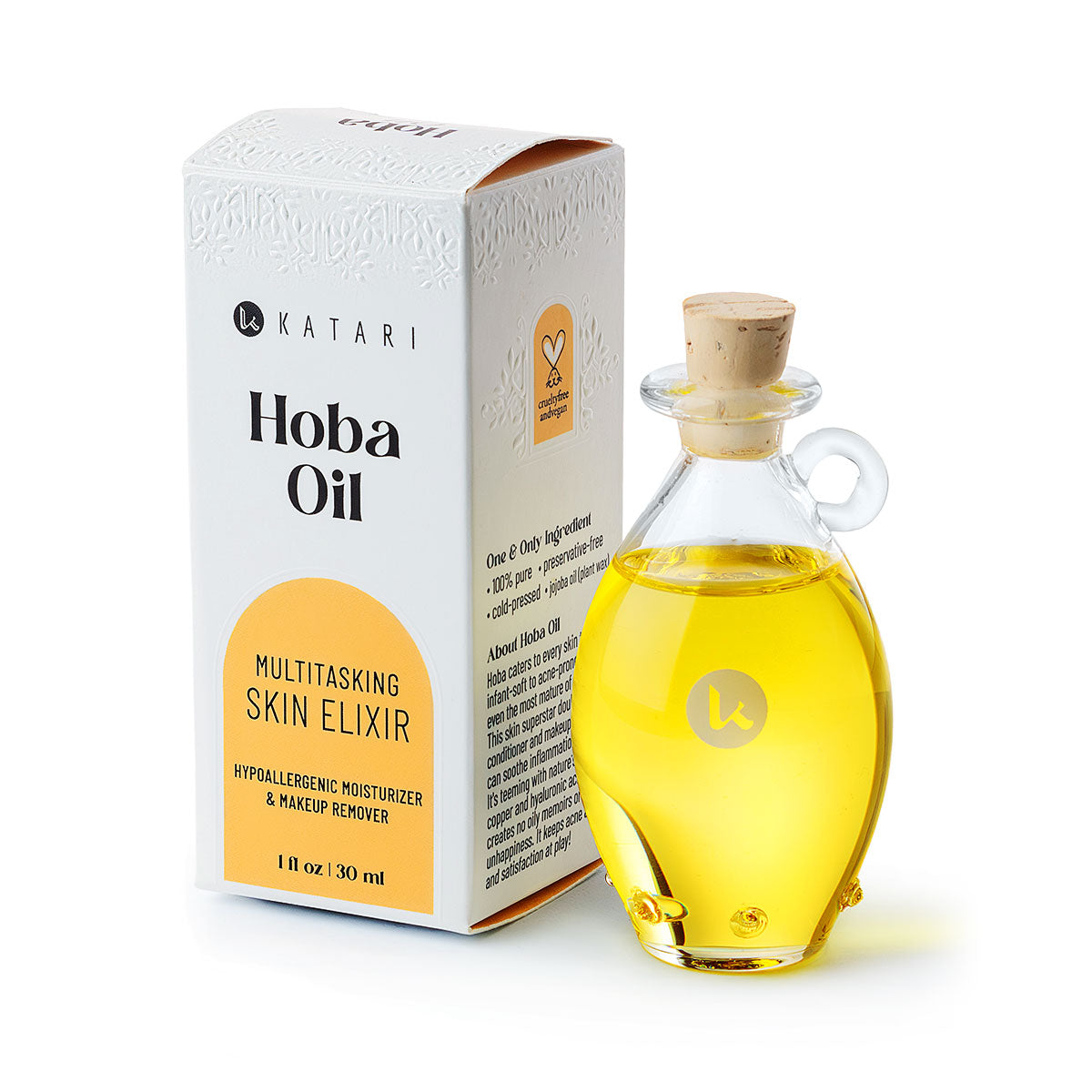
And actually, any natural product can cause an individual sensitivity. This is completely normal, so for any product, please patch test, and when in doubt start with the mildest hypoallergenic products, like Katari Hoba Oil, that is gentle enough even for newborns.

Relearning what ‘good’ feels like
We’ve been trained to expect skincare to be silent, invisible, and identical. But nature is none of those things.
At Katari, we believe:
If it smells like the plant, feels like the oil, and changes with the season, it’s doing exactly what it should.
Meet Amr, the oil maker who presses our oils in Cairo, and hear how real oil is made.
What our customers say
Obsessed
I can't tell you enough how much I love this oil. First, the bottle! Classy. But it does my dry, curly hair wonders! And my skin loves it. Lips too! It's seriously amazing.
Dina, verified buyer
Adore
Absolutely adore this jojoba oil. I won’t use anything else to take off my makeup! HIGHLY, highly recommend trying this oil out!
Julie, verified buyer
Will never switch
I’ve been using Katari oils for almost 2 years and will never switch. The best quality oils ever!
Mackenzie, verified buyer