


Egypt · Whole-bloom cold press
Rosehip Oil: The Complete Guide
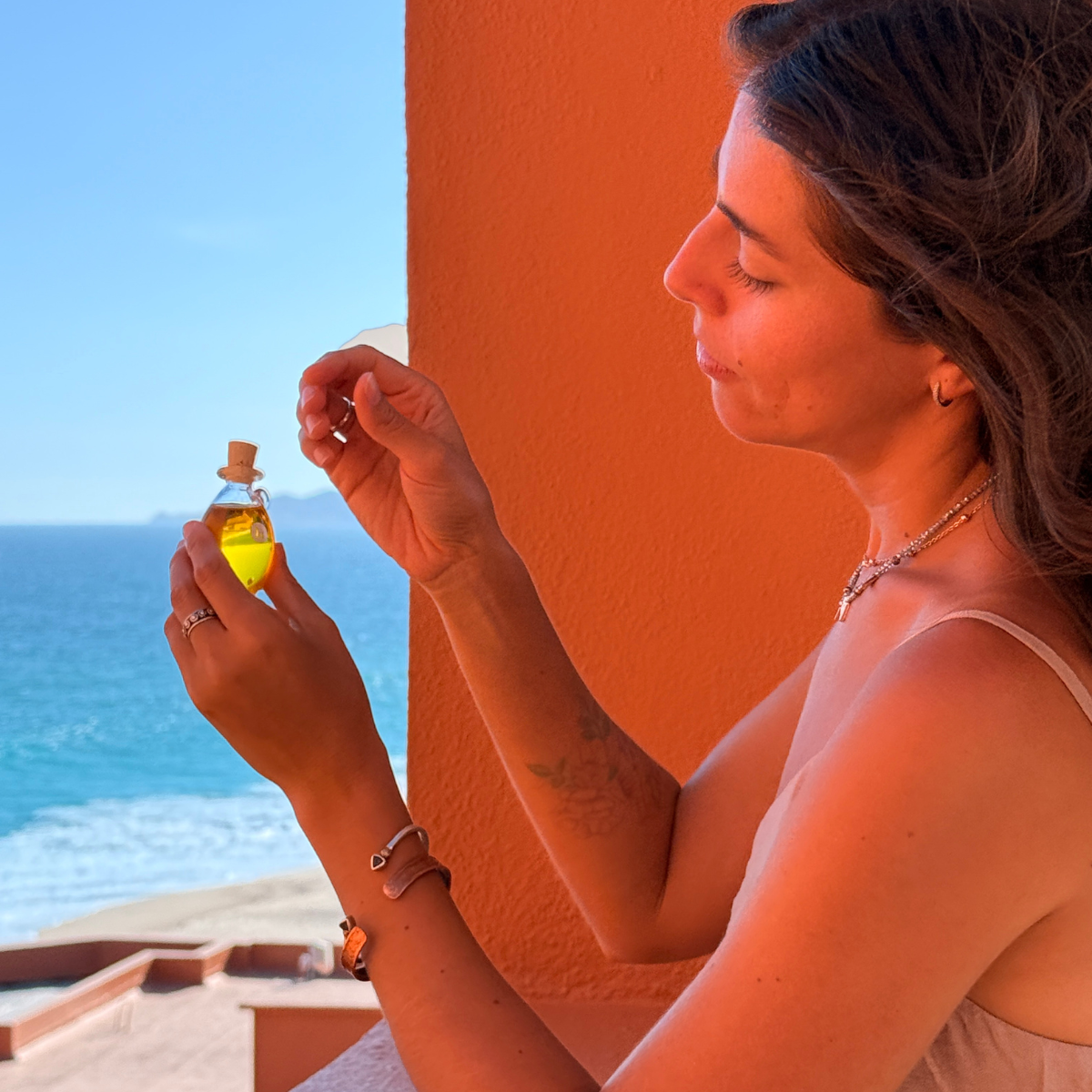
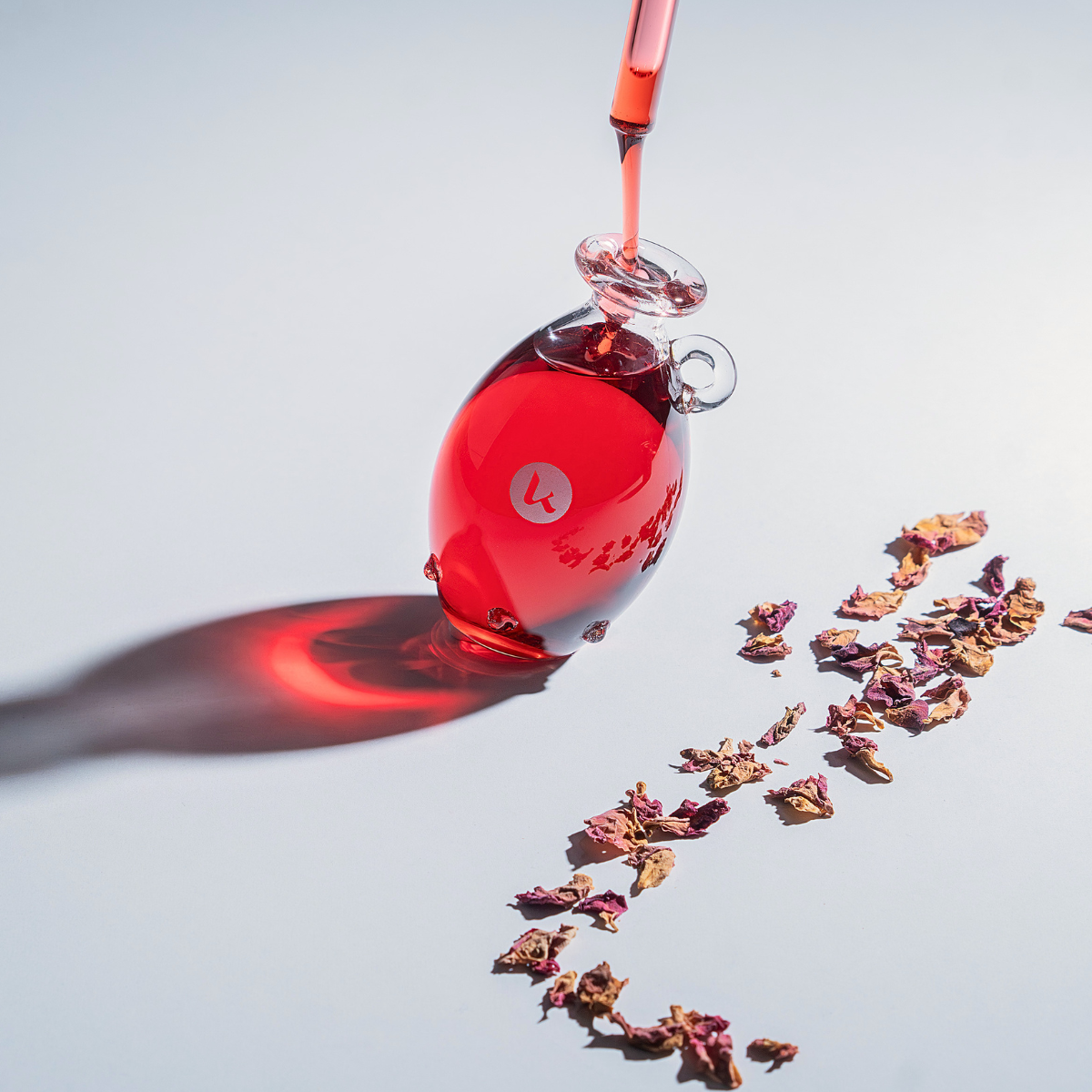
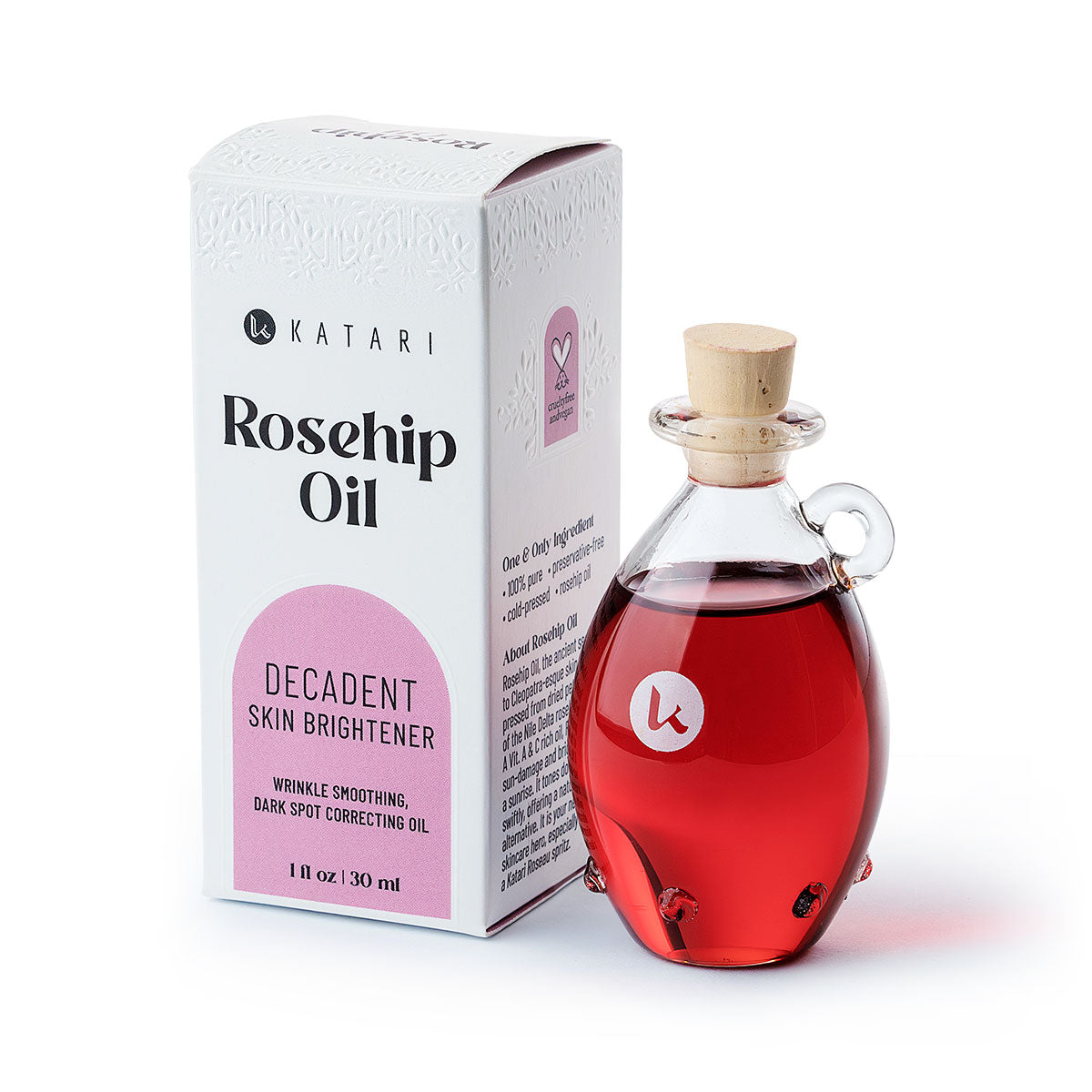
Rubi is not the usual orange rosehip oil. Our makers press the dried buds and petals of the rose bush together with the seed, which gives it a deep red color, a warm rose scent, and lab-verified natural vitamin A.
- Botanical
- Damask rose (Rosa damascena)
- Origin
- Egypt
- Method
- Cold-pressed whole bloom
- Texture
- Rich, absorbs in 2-4 minutes
- Best for
- Dull, dry, mature or uneven skin
- Use
- Evening, 2-3 drops


Free U.S. shipping over $75. Ships in 1-2 business days from Denver.
What It Does
- Brightens and evens the look of skin tone
- Supports skin's natural renewal
- Decadent nourishment with a soft glow
Texture & absorption:
Medium to heavy, rich oil. Absorbs in 2-4 minutes.
Aroma:
A rich, botanical rose scent from dried petals, deeper and warmer than fresh rose. Fades gently after application.
What It Is
Katari Rosehip Oil is a deep shiraz-colored, cold-pressed oil serum made from dried buds (petals) of the rosebush plant. It is not made from the fruit. Rich in Vitamins A and C, Omegas, and antioxidants, it brightens, hydrates, and softens the look of fine lines while calming the look of redness, leaving skin radiant and nourished.
This luxurious oil helps fade the look of uneven tone and dark spots and supports a healthy, resilient skin barrier. Loved for how it plumps the look of fine lines and smooths texture, Rosehip Oil delivers hydration, protection, and radiance while supporting your skin's natural renewal.
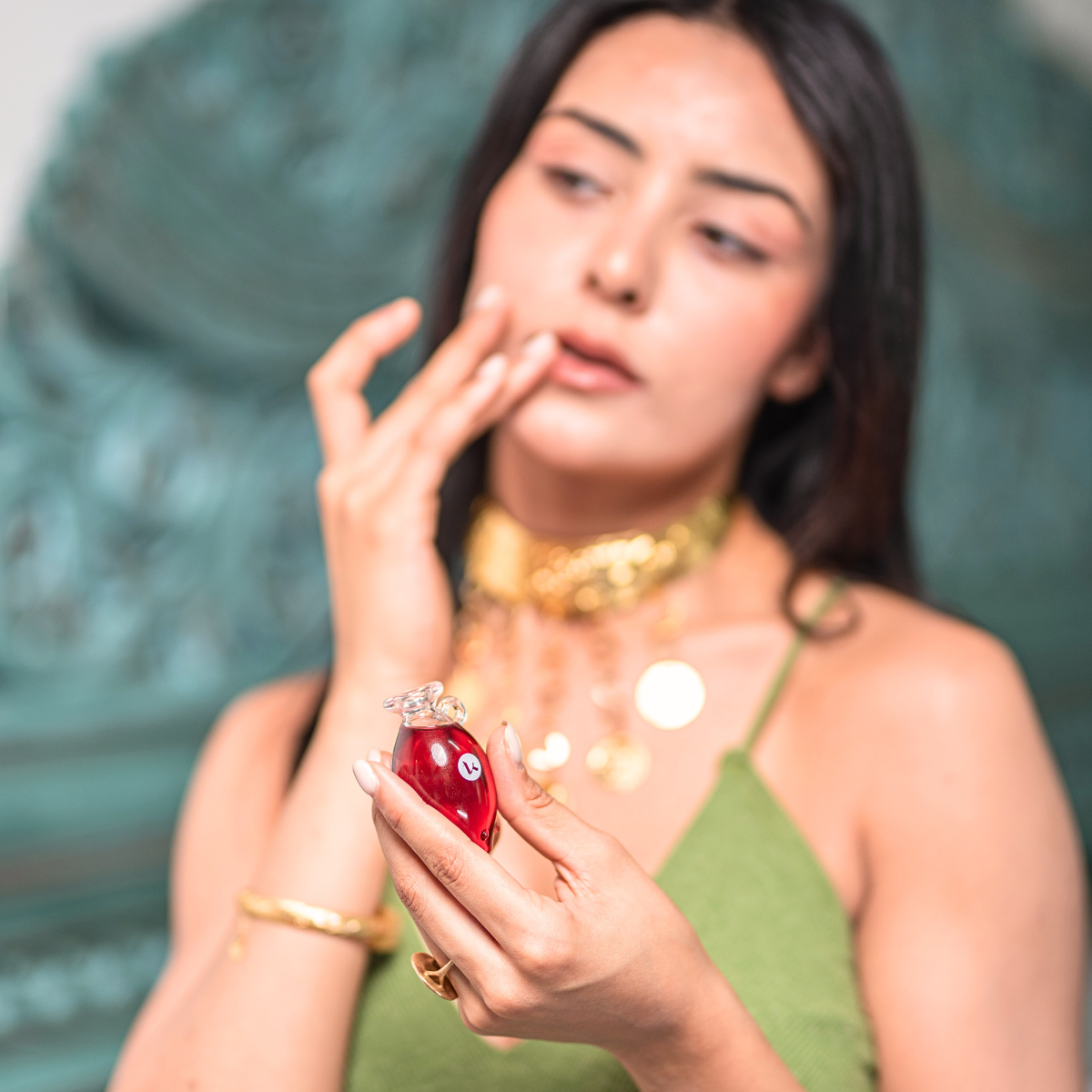
Its intoxicating scent makes every drop a ritual to savor. Bottled in handblown glass, vegan, cruelty-free, and professional-grade.
What it is
Most rosehip oil is pressed from the seeds inside the orange fruit. Rubi is pressed from the whole bloom: dried rose buds, petals and developing fruit. That is where its shiraz-red color and rich scent come from, and why it reads more like a rose oil than the rosehip oil you may know.
It is a night oil for skin that looks tired, dry or uneven. Used consistently, it leaves skin softer, smoother and more luminous.
Where it comes from
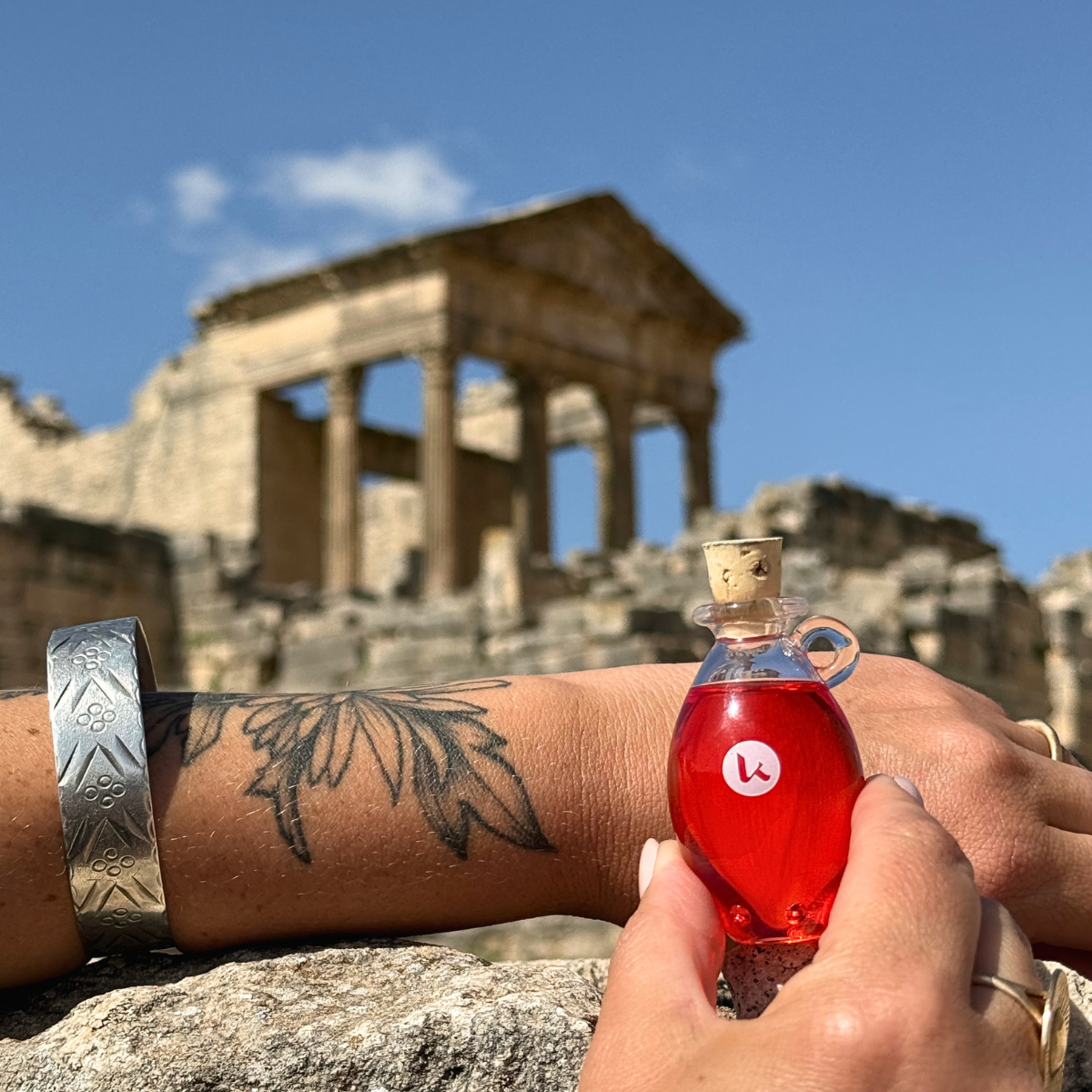
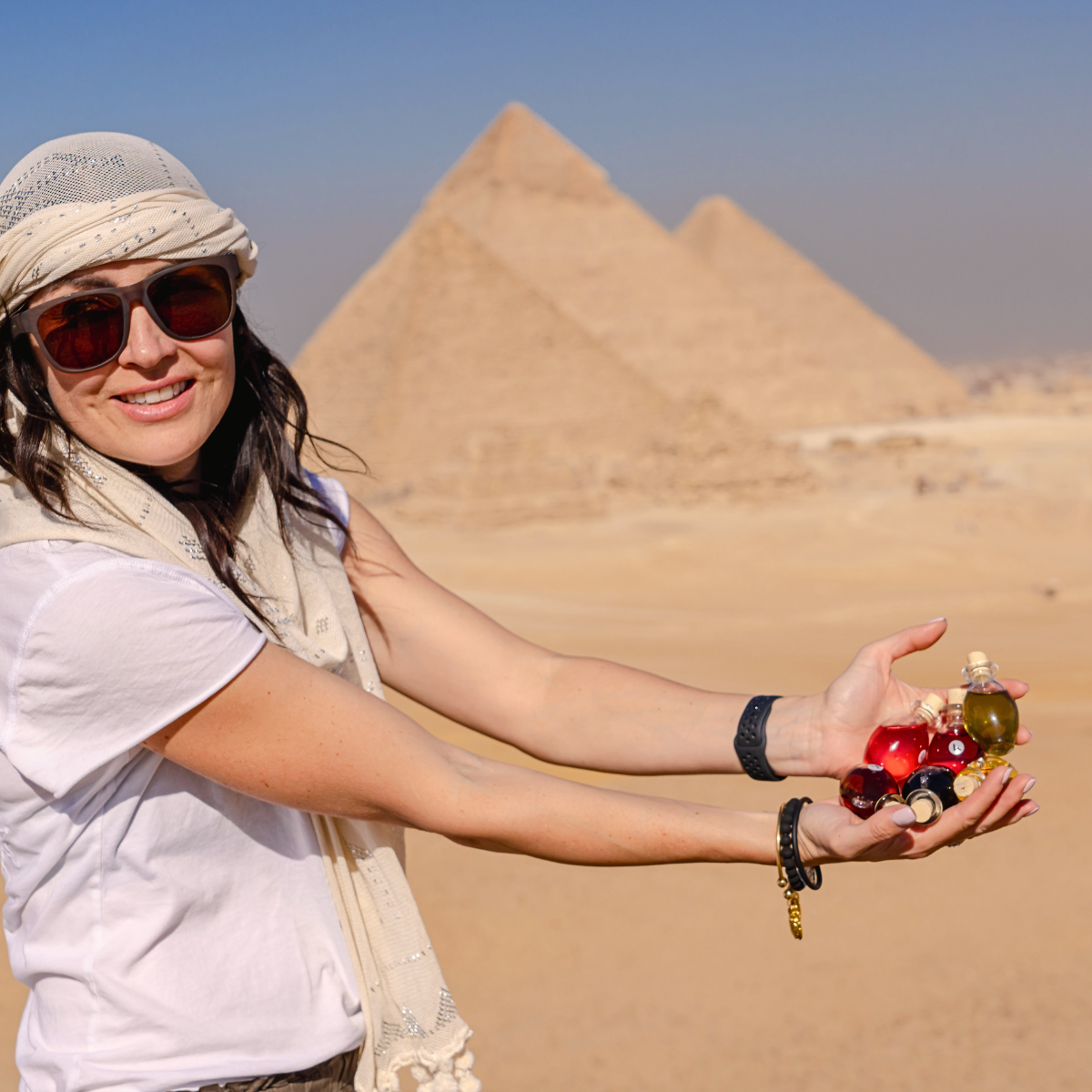
Rubi comes from the Damask rose (Rosa damascena), the same fragrant rose prized across the Mediterranean for rose water. The bushes grow on small farms in Egypt. The buds are gathered in spring and dried, then pressed in small batches by Amr, our oil maker, and his team, so you receive fresh oil rather than oil that has sat in a warehouse. Like all our oils, it is pressed without heat or water, which protects its natural vitamins.

How to use it
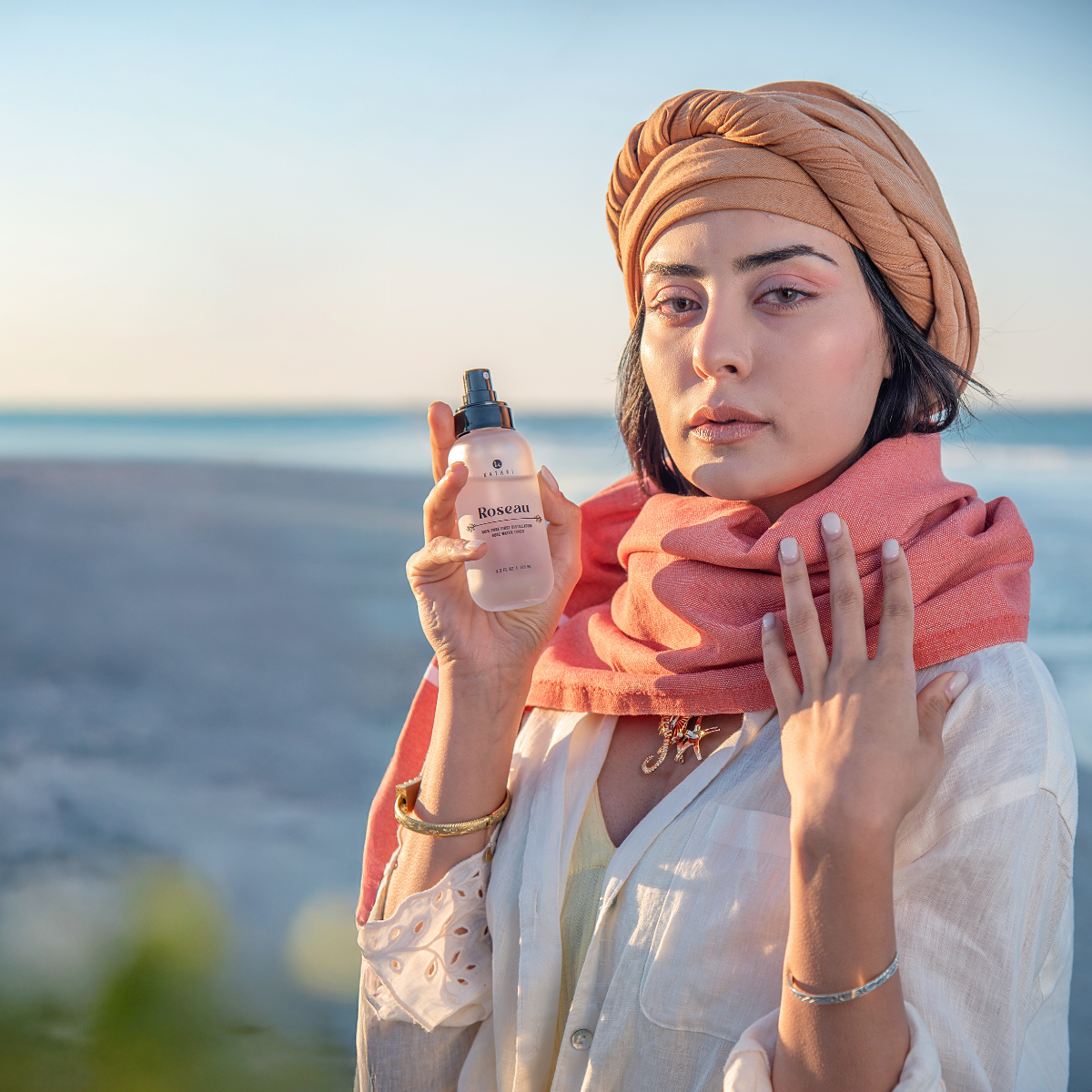
- Cleanse and mist. Cleanse (Hoba is ideal), then mist Roseau or Géran so skin is damp.
- Layer light to rich. For dry or mature skin, press in 2 drops of Hoba first.
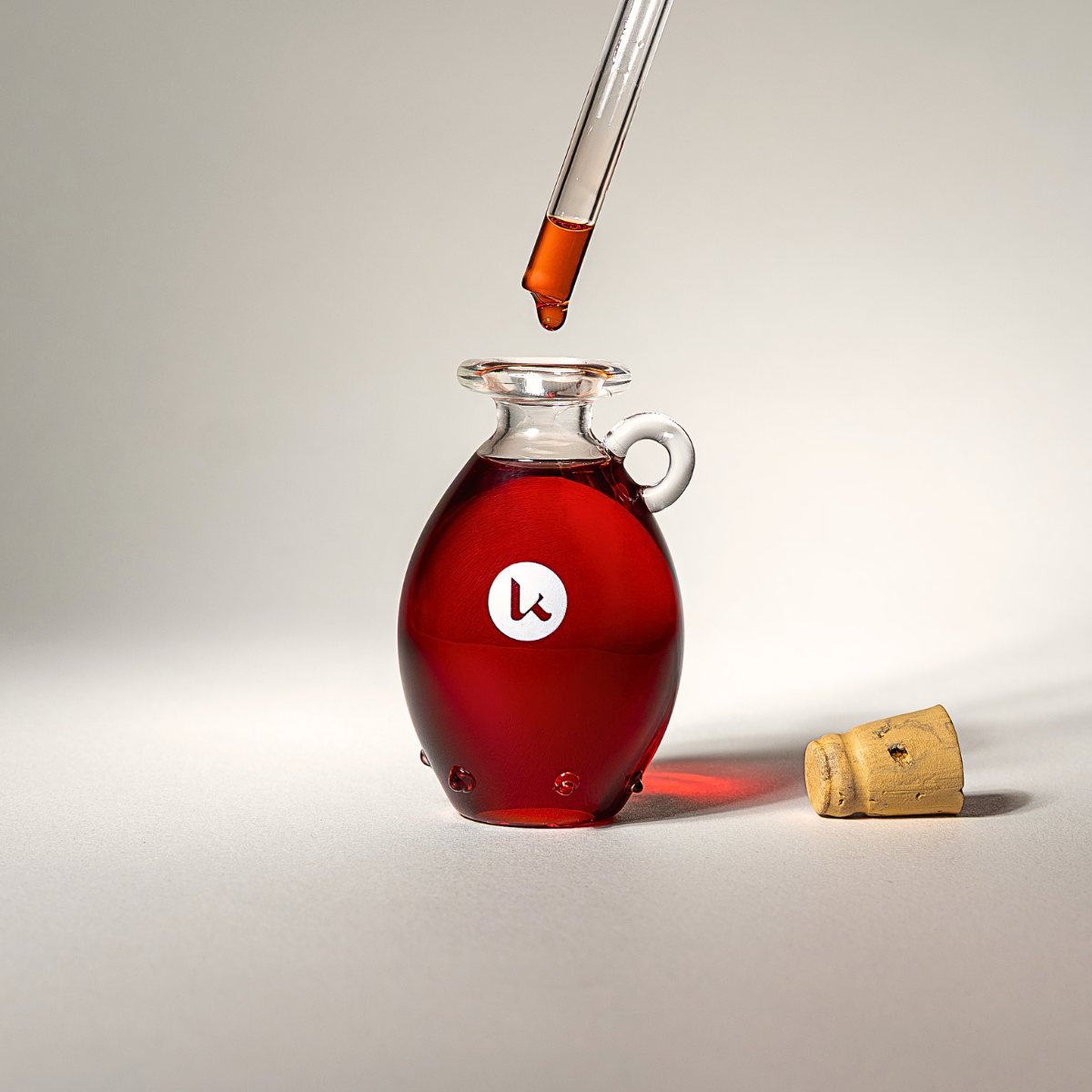
- Press in Rubi. Warm 2-3 drops between your palms and press into face, neck and décolleté, focusing on dry or uneven areas.
- Let it work overnight. Rubi is richest as an evening step. In the morning, follow with sunscreen.
Beyond the face
- Body. A few drops on damp skin after a warm shower for dry areas, elbows and knees.
- Hair ends. One drop between your palms through damp ends adds shine and softness.
- Nails and cuticles. Massage in at night.
The chemistry
Because Rubi is pressed from the whole bloom, it carries far more natural pigments, vitamins and antioxidants than a seed-only oil.
| Component | Katari Rubi | Why it matters |
|---|---|---|
| Vitamin A (natural) | 320.6 ppm | Plant-based vitamin A; helps skin look smoother and more even |
| Vitamin E | 583.2 ppm | Antioxidant that helps protect the oil and your skin from oxidative stress |
| Linoleic acid (omega-6) | 44% | A key building block of the skin barrier |
| Alpha-linolenic acid (omega-3) | 32% | Helps skin feel soft and supple |
| Phenolic compounds | 2,554 µg/g | Natural antioxidants that also help keep the oil stable |
| pH (lab reported) | 5.3 | Close to skin's natural range |
Lab analysis: Egyptian National Research Centre, 2026.
Who it's for
- Skin that looks dull, uneven or tired.
- Dry and mature skin, especially through perimenopause, when skin often feels drier and thinner.
- Anyone who wants a gentle, plant-based alternative to a strong synthetic retinoid routine.
For professionals
Rubi works well as a finishing oil after facials, peels or microneedling once skin is ready for oil, and as a take-home recommendation for clients who can't tolerate retinoids. Its natural color can tint white towels, so apply with a brush or fingertips.
Storage and shelf life
Rubi is rich in delicate vitamins, so treat it like fresh food. Keep it out of direct sun and away from bathroom steam, and close the cork after each use. Rubi has a 2-year shelf life; for the most vitamins, we suggest enjoying it within 3-6 months of receiving it. The color and scent shift slightly from harvest to harvest; that is how you know nothing was refined out.
Safety
For external use only. Patch test any new product: apply a little to your inner forearm once a day for two days. If you notice redness, itching or swelling, rinse with cool water and stop using it. Keep out of reach of children. If you are pregnant, nursing or under a doctor's care, check with your doctor first.
Questions
Why is Rubi red, not orange?
We press the dried buds and petals along with the seed. The natural pigments, including lycopene, give it the deep red color.
Will it stain?
It can tint white towels and pillowcases if you use a lot. Two or three drops, pressed in, absorb within a few minutes.
Can I use it in the morning?
Yes, but it is richest at night. If you use it in the morning, always follow with sunscreen.
Can I layer it with other oils?
Yes. Go from lightest to richest: Hoba, then Granate, then Rubi, then Barie.
From the Journal
Why Our Rosehip Oil Is Red →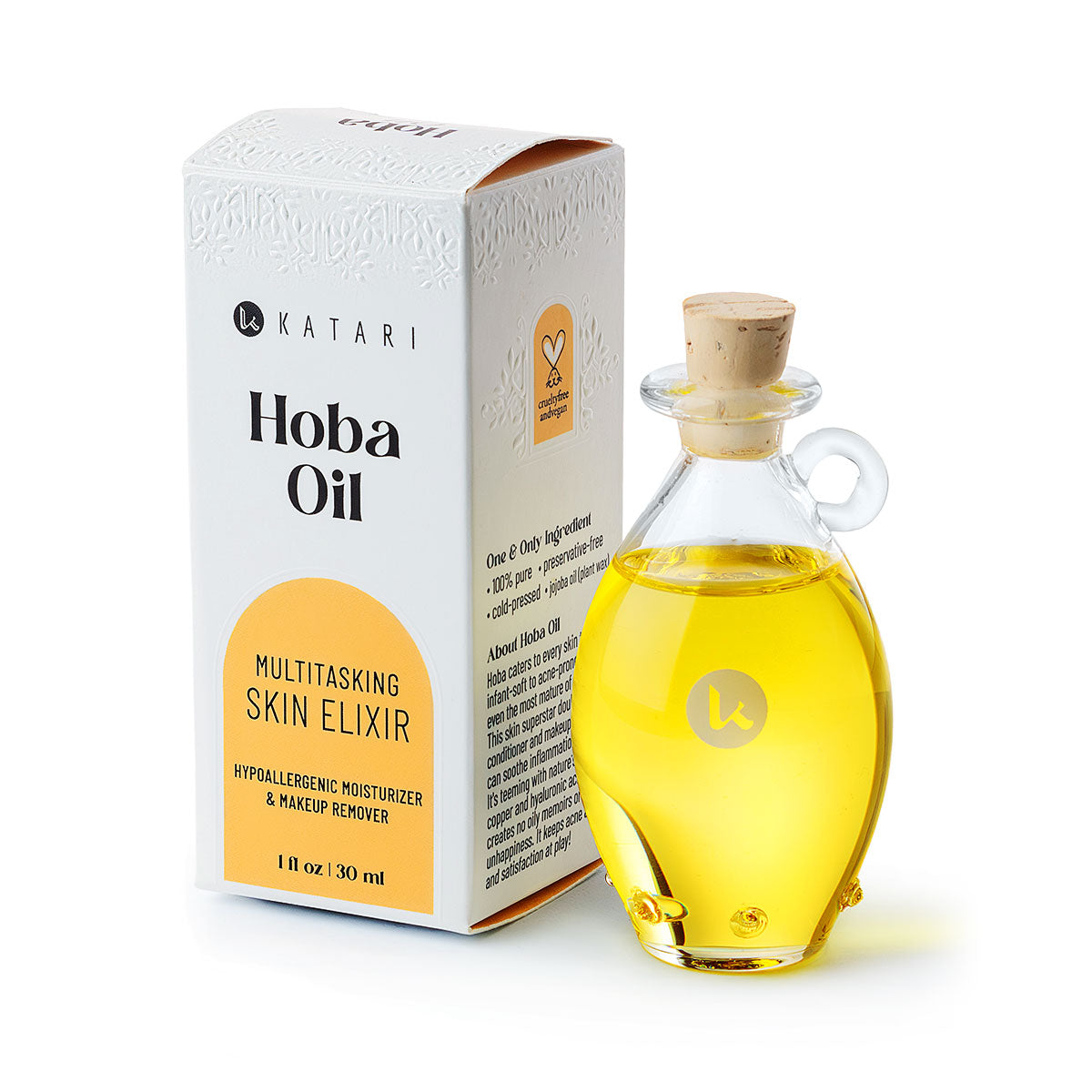
Rubi
€82,95+
What our customers say
4.95★ from 425 reviews
Marcia, LA celebrity esthetician
There are oils, and there are Katari oils
Marcia has prepared her famous clients for red-carpet events with Katari for years, and made Géran her signature scent.
Christina K.
The only skincare I'll ever buy
Katari Beauty is the definition of pure and quality… this is the ONLY skincare products that I will ever buy for the rest of my life.
Karni M.
THIS is my new favorite
Every time I buy a different oil from Katari, I say the same 2 things… “THIS is my new favorite” and “I want to take a bath in this.”
Maureen
Nothing like it
The lengths that they go to find the most amazing raw material and the handblown glass bottles is not like anything I have seen before.
Elizabeth B.
By far the best
I've tried multiple toners in the past and this is by far the best I've found… Katari Beauty is one of the best companies I've encountered in the industry.
Keep exploring
More from the Ingredient Library
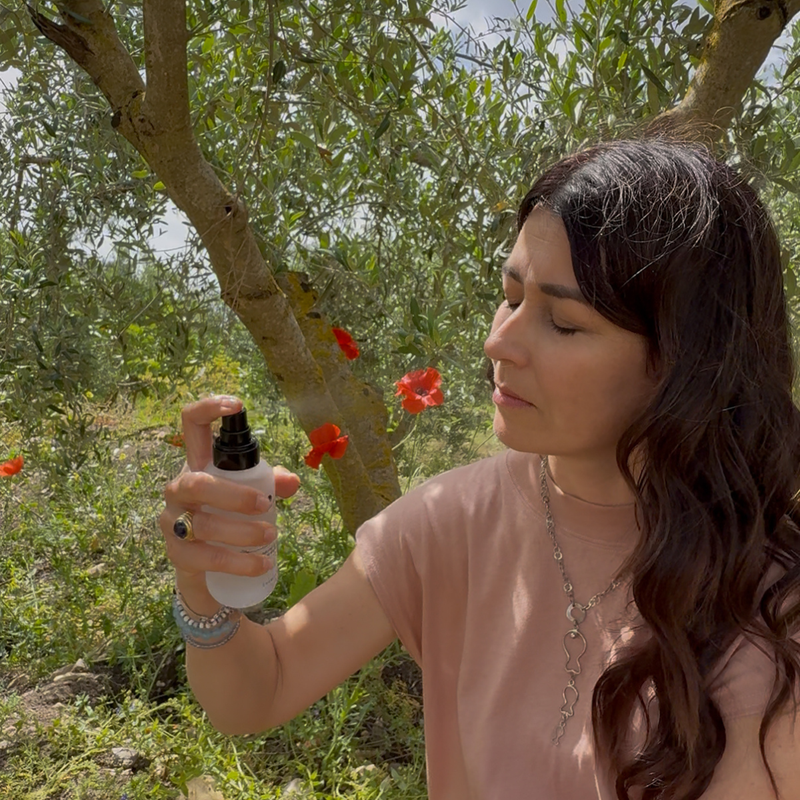
Béja, Tunisia · First distillation
Roseau · Rose WaterRoseau is pure rose water, distilled once a year from fresh Damask rose petals in Béja, Tunisia, with the rose's own oil left in. It is the fir...
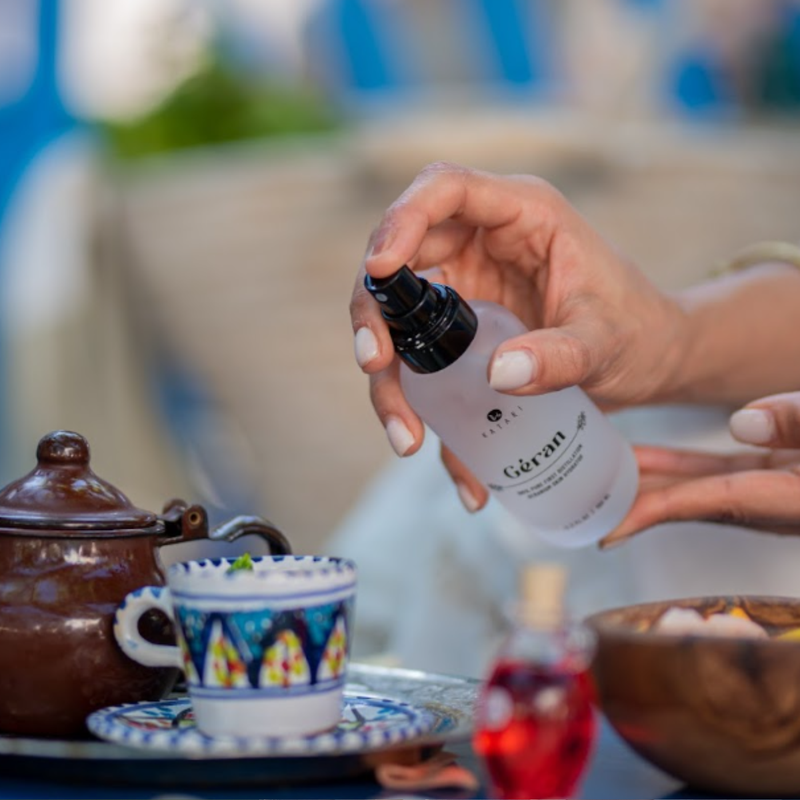
Béja, Tunisia · Wild geranium, first distillation
Géran · Geranium WaterGéran is pure geranium water, distilled from wild-grown geranium in northern Tunisia with the plant's own essential oil left in. Cooling, balan...
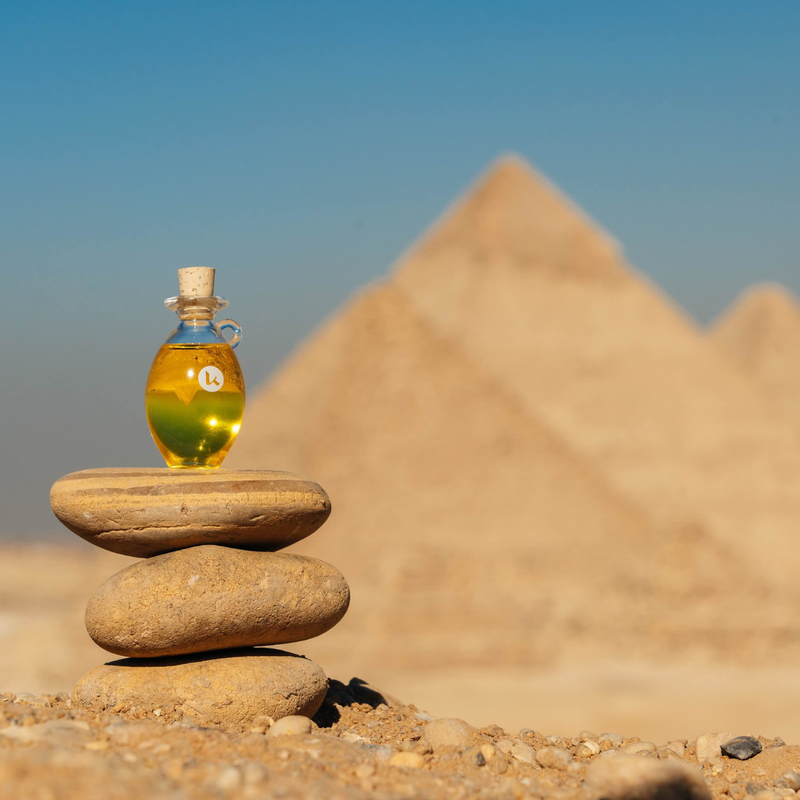
Nile Delta, Egypt · Cold-pressed liquid wax
Hoba · Jojoba OilHoba is pure jojoba, and technically not an oil at all. It is a liquid plant wax that closely resembles the sebum your own skin makes, which is why...
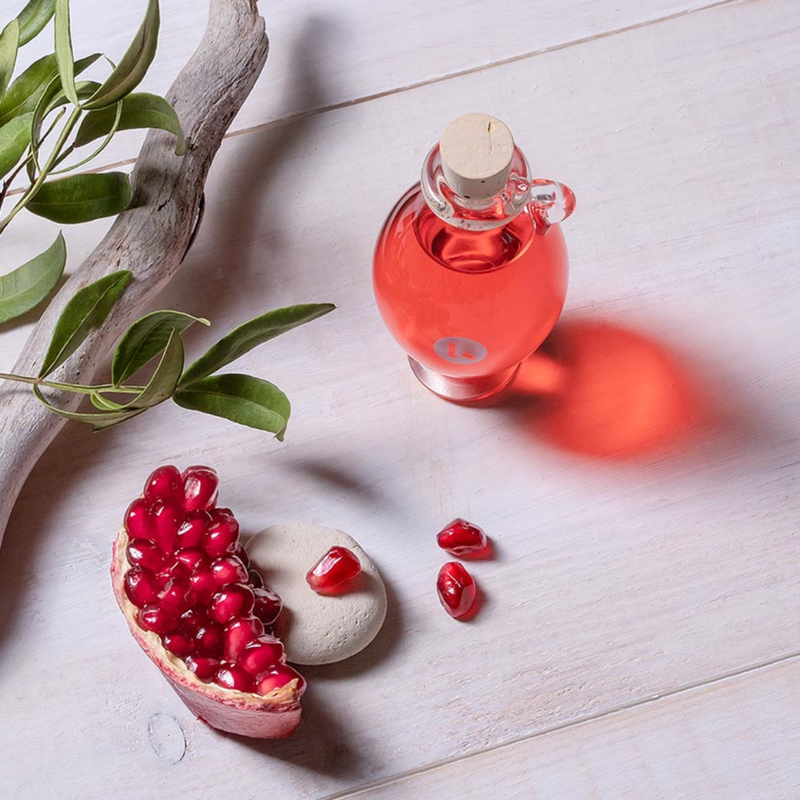
Nile Delta, Egypt · Whole-kernel cold press
Granate · Pomegranate Seed OilGranate is pomegranate seed oil made the old way: the whole kernel is dried, then cold-pressed, which is why it comes out soft pink. Rich in antiox...
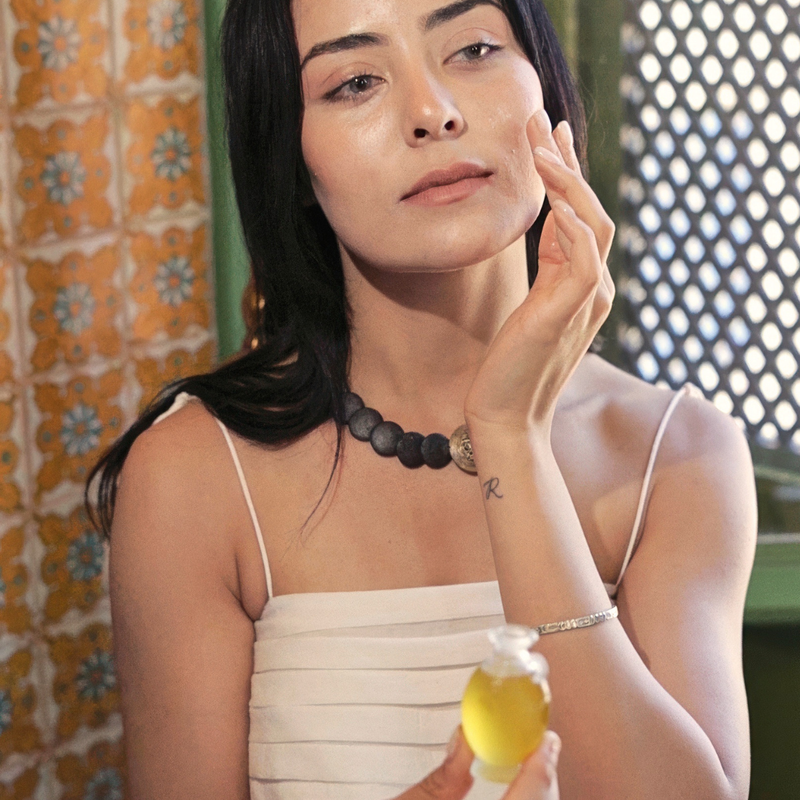
Wild cactus forests, Tunisia · Cold-pressed seed oil
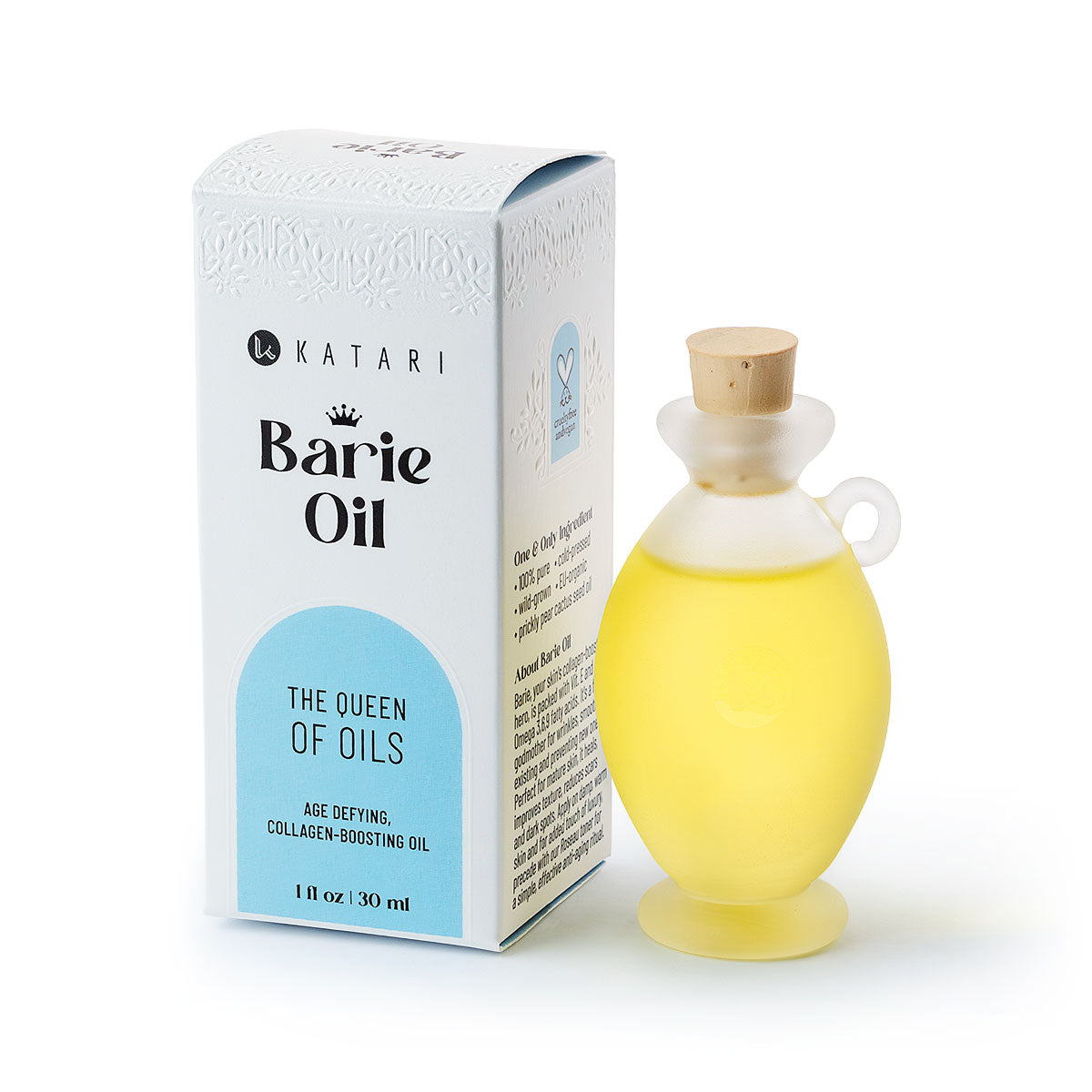
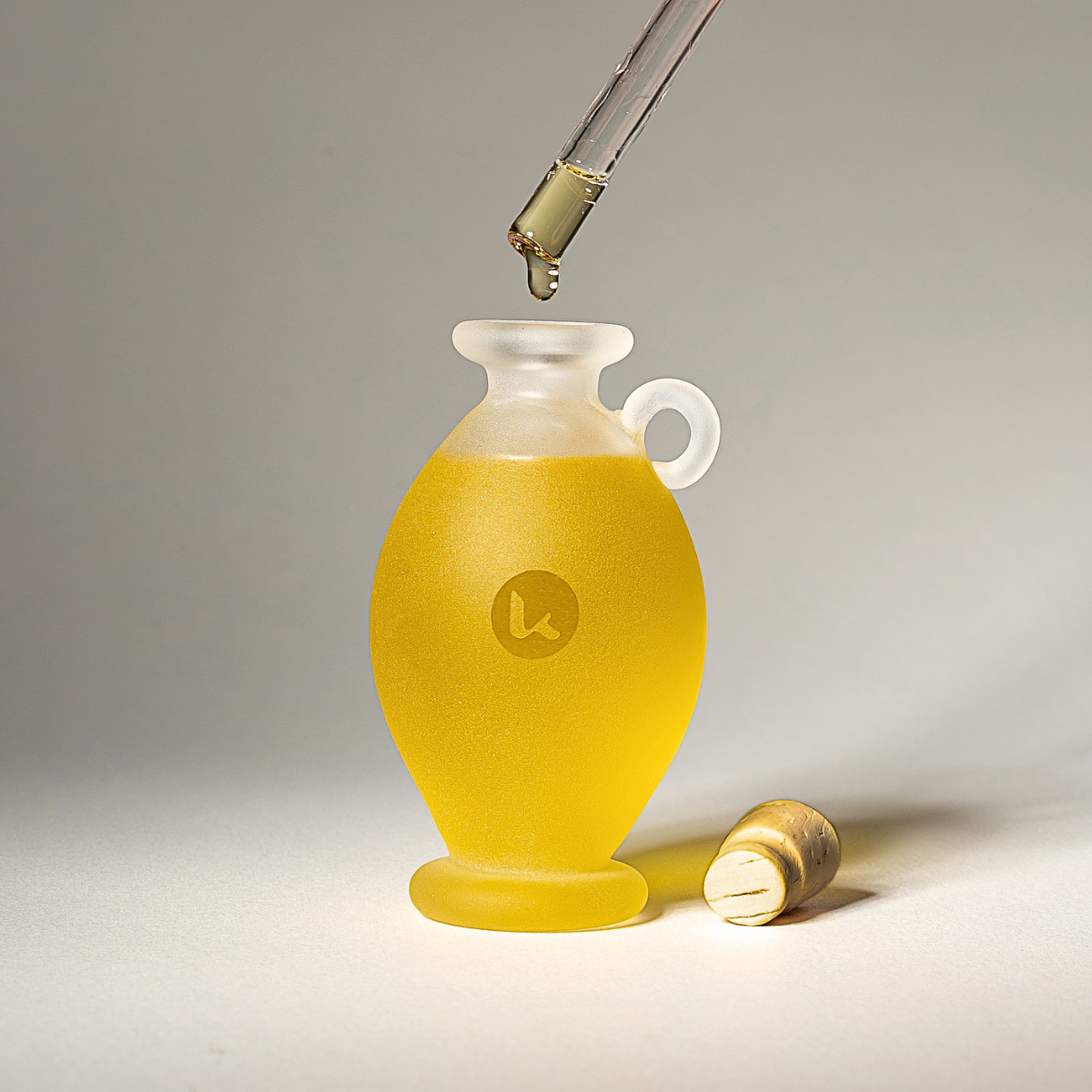
Barie · Prickly Pear Seed OilBarie is pure prickly pear seed oil from wild cacti in Tunisia, one of the rarest oils in skincare. It takes about 66 pounds of tiny seeds to press...
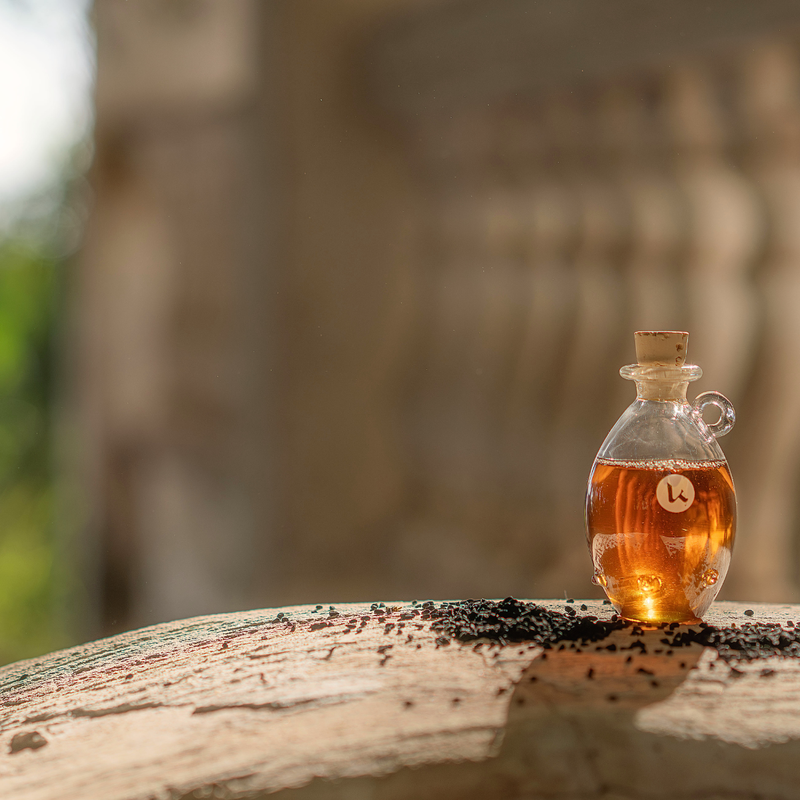
South of Aswan, Egypt · Cold-pressed
Black Seed OilBlack seed oil, pressed from the tiny black seeds of Nigella sativa, has been treasured along the Nile since the pharaohs; the seeds were even foun...
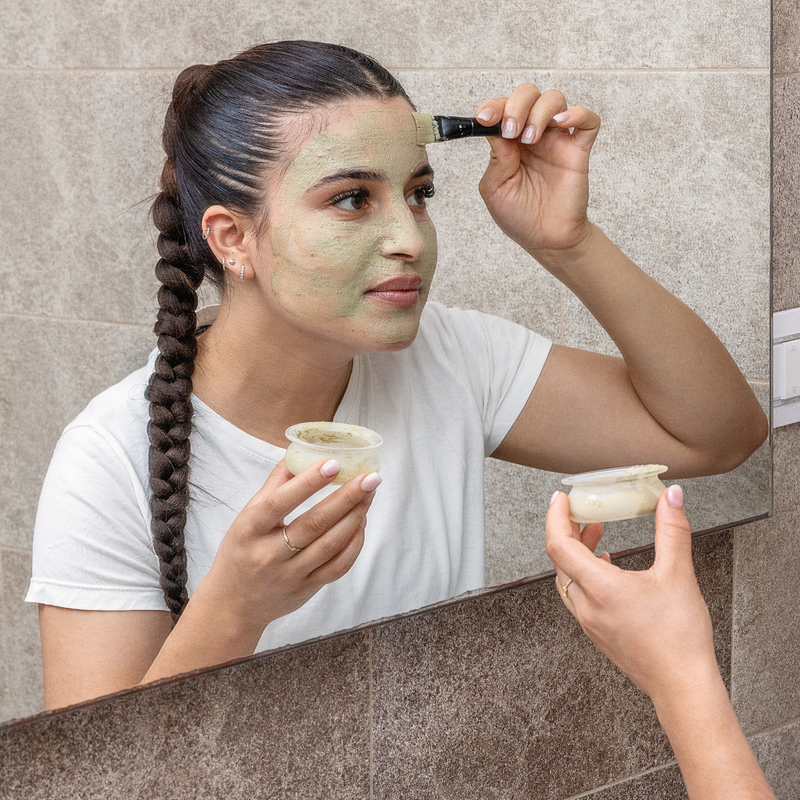
Central Tunisia, near Sbeitla · Hand-dug, sun-dried
Argil · Green ClayArgil is a primordial green clay dug by hand from an ancient seabed near Sbeitla in central Tunisia and dried only by the sun. It draws out impurit...
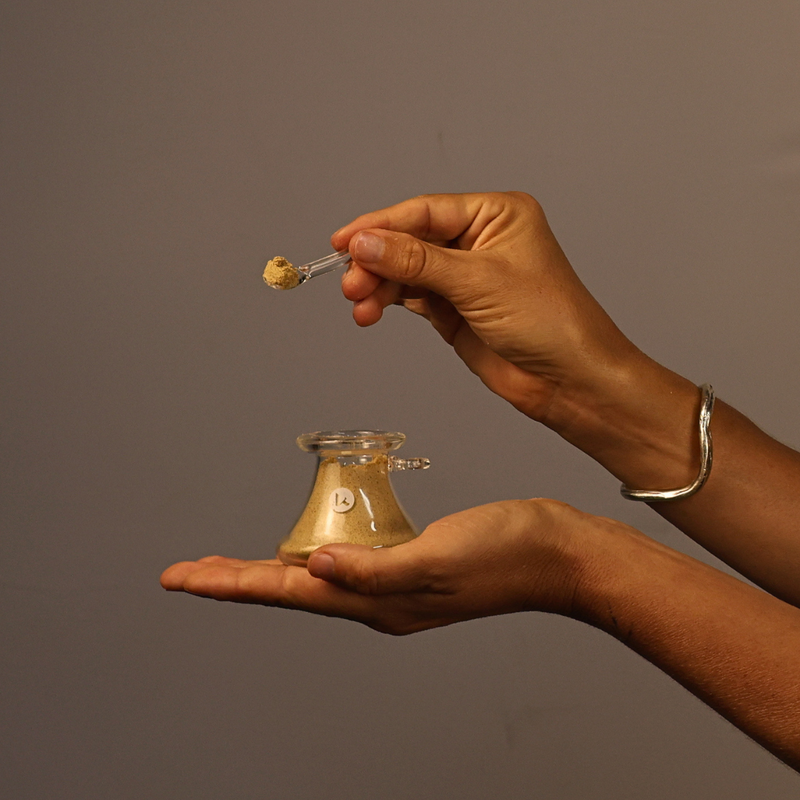
Tunisia · Milled prickly pear seed
Poudre de Barie · Seed ExfoliantPoudre de Barie is what remains after we press Barie oil: the prickly pear seed cores, still holding about half their oil, milled into a soft, flou...

Upper Egypt · Roasted-bean cold press
Black Castor OilBlack castor oil is the thick, dark, old-world version of castor oil: the beans are roasted before pressing. It conditions hair from the root, help...
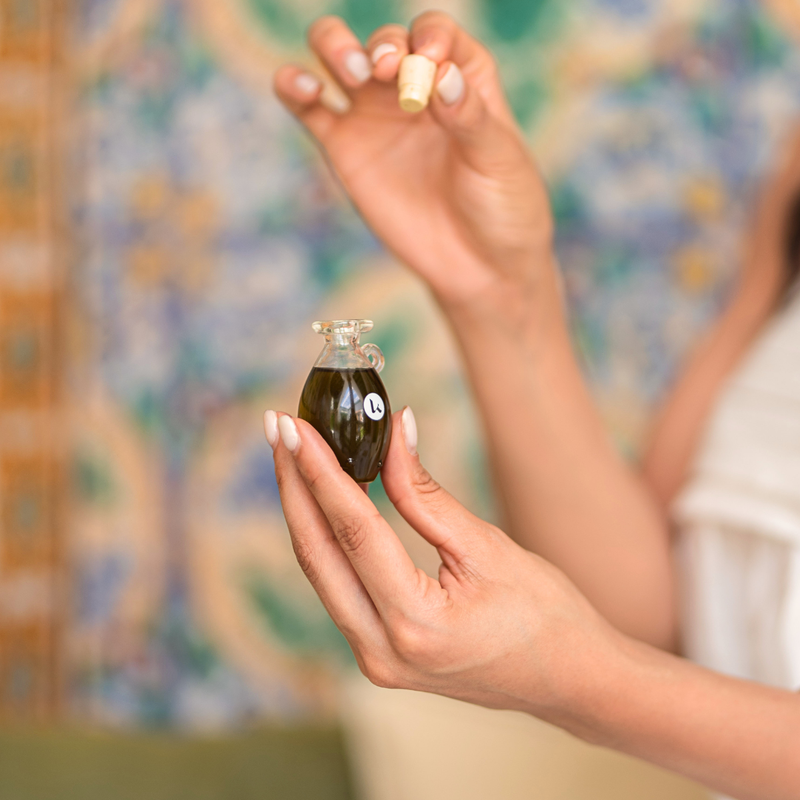
Nile Delta, Egypt · Pressed from dried leaves
Henna OilHenna Oil is the forest-green, grassy-smelling oil of the henna plant, pressed from dried leaves by Amr and his team in Egypt. It conditions the sc...
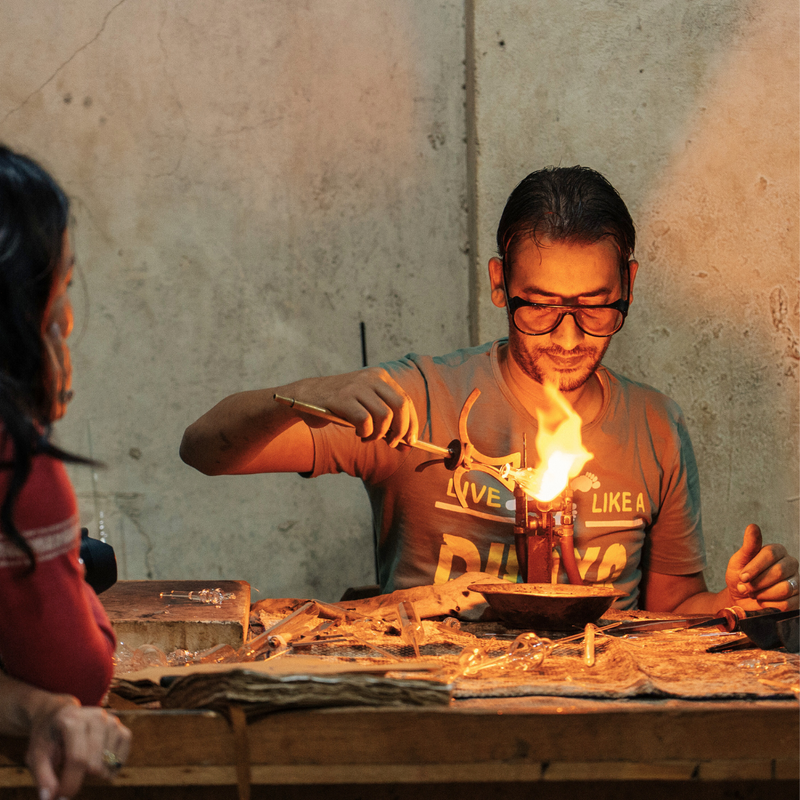
Hand-blown in Cairo · Borosilicate glass and cork
Hand-Blown Glass ApothecaryEvery jar, bottle, bowl and funnel we sell is shaped by breath and hand in a small Cairo workshop. Pure borosilicate glass and natural cork keep yo...
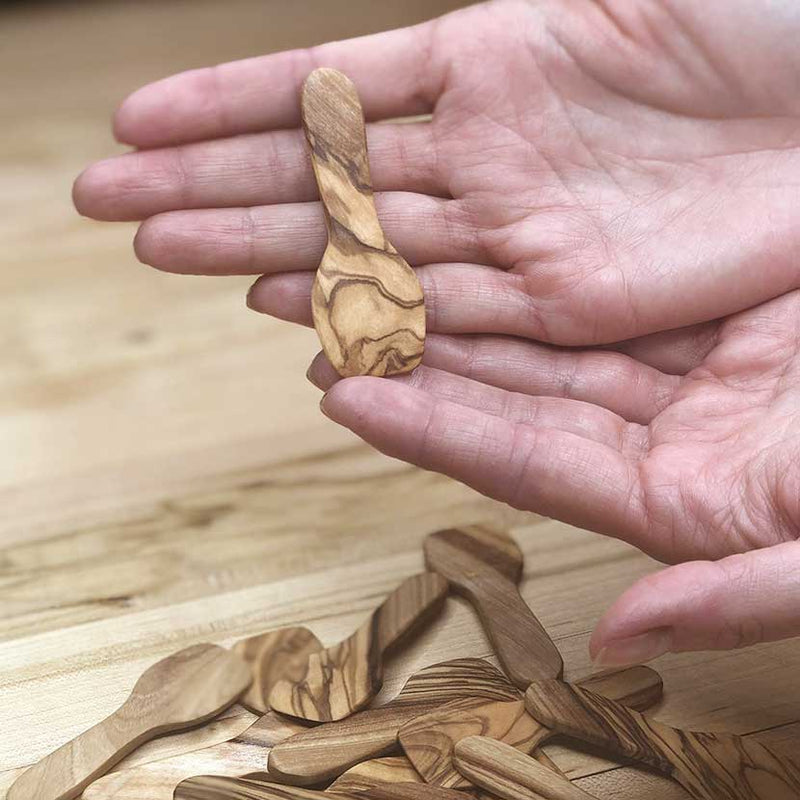
Hand-carved in Sfax, Tunisia · Retired olive trees
Olivewood Ritual ToolsOur spatula, spoon and applicator are carved by family workshops in Sfax from olive trees that no longer bear fruit. For every old tree, a new one ...
Nothing matches yet. Try another word.